









A fragile ceasefire between Iran and the United States appears to have unravelled, pushing the West Asia conflict into a fresh phase of uncertainty. In the latest escalation, Iran has once again declared
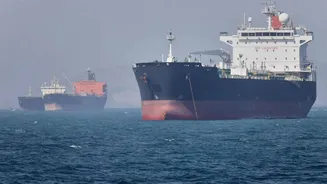
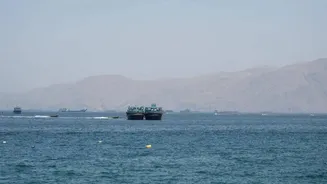
the Strait of Hormuz closed to all vessels, warning that ships attempting to pass through the strategic waterway could face military action. While the US maintains that some commercial and military vessels continue to transit the route, Iran insists the Strait remains fully shut.
The immediate reaction was visible in global energy markets. Brent crude surged above $95 per barrel on June 11, rising more than 2 per cent in a single day as traders priced in the risk of a prolonged disruption to one of the world’s most important oil corridors.
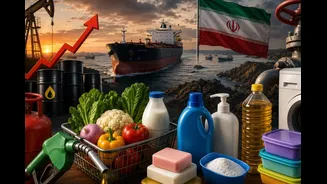
Read More: Iran Says Hormuz ‘Completely Closed’: These 7 Everyday Items Could Become More Expensive For You
For India, the world’s third-largest oil consumer, the implications go far beyond geopolitics. Even though New Delhi has diversified its energy imports in recent years, the Strait of Hormuz remains a critical artery for crude oil, LNG and LPG supplies arriving from the Gulf. Around 40 per cent of India’s crude imports and more than half of its LNG imports are still linked to the route.
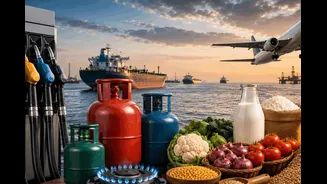
As a result, Indian households should closely watch three areas in the coming weeks: fuel, flights and food.
Fuel Costs
The most immediate risk comes from oil. The Strait of Hormuz carries roughly one-fifth of global oil trade. Any disruption quickly pushes up benchmark crude prices. With Brent crude already nearing $95 per barrel following Iran’s latest announcement, analysts are warning that a prolonged shutdown could push prices closer to the $100 mark, yet again.
Although the Indian government has reduced dependence on Hormuz by diversifying suppliers and shipping routes, a large share of imports from Iraq, Saudi Arabia, Kuwait and the UAE still remain exposed to Gulf tensions.
The impact is already visible in petrol and diesel prices, which have risen by Rs 7.5 per litre in the past one month. The prices of CNG have also risen by over Rs 6 per kg over the past month. Meanwhile, earlier this week, the price of Aviation Turbine Fuel (ATF) was hiked by 10 per cent.
Every sustained increase in global crude prices also raises India’s import bill, putting pressure on the rupee and increasing inflationary risks.
Air Travel
The second impact area is aviation. ATF is among the largest operating costs for airlines, often accounting for 35-45 per cent of total expenses. When crude prices rise, ATF prices usually follow.
Indian airlines have already been dealing with elevated fuel costs since the West Asia conflict began earlier this year. The latest surge in oil prices increases the likelihood that airlines may pass part of the burden on to passengers through higher fares, especially on international and long-haul routes.
The situation is compounded by operational disruptions. Several airlines have already been forced to reroute flights away from conflict zones across West Asia, increasing flying time and fuel consumption. Several Indian airlines including Air India and IndiGo have also curtailed flights to international destinations over the next two months due to rising operational costs.
If oil remains above $90-95 per barrel for an extended period, travellers could face higher ticket prices.
Cargo aviation is also affected, which matters because a significant portion of high-value imports and perishables enters India through air freight. Rising cargo costs often translate into higher prices for consumers.
Food Inflation
The third and often least discussed impact is food. When fuel becomes expensive, food rarely remains unaffected.
Higher diesel prices increase transportation costs for moving vegetables, fruits, grains and dairy products across India. Cold-chain logistics, food processing plants and agricultural machinery also become costlier to operate.
Milk prices have already been under pressure in several parts of the country due to higher fodder, transportation and energy costs. Any sustained increase in fuel prices adds another layer of cost for dairy cooperatives and private producers.
Food inflation is particularly sensitive to logistics disruptions because modern supply chains rely heavily on fuel at every stage – from farms and warehouses to trucks and retail stores.
There is also an external dimension. The Strait of Hormuz is not only crucial for oil but also for fertilizers, petrochemicals and industrial chemicals used in agriculture. India imports a significant quantity of these products from Gulf countries. Supply disruptions or higher shipping costs can eventually increase agricultural input costs, affecting crop prices months later.
Is India Better Prepared Than Before?
The good news is that India is considerably less vulnerable than it was a few years ago. The government has diversified crude sourcing, expanded strategic reserves and increased imports from non-Gulf suppliers. Officials have stated that roughly 70 per cent of crude imports are now routed through alternatives to Hormuz, compared with about 55 per cent earlier. Strategic reserves and commercial inventories are also available to cushion short-term disruptions.
However, diversification does not eliminate exposure entirely.
As long as global oil prices are set by international markets, India remains vulnerable to shocks originating in the Gulf. Even if barrels arrive from elsewhere, Indian consumers still pay prices influenced by worldwide supply fears.
The immediate concern for Indians is not whether fuel stations will run dry. India’s reserves and diversified sourcing make that unlikely in the near term. The bigger risk is inflation.
If the Strait of Hormuz remains shut for an extended period and oil stays near or above $95 per barrel, the effects are likely to appear gradually: costlier fuel, more expensive flights, higher freight bills and increased food prices.