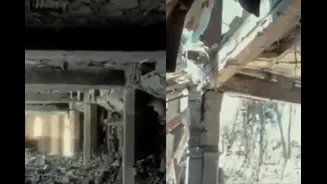






For the first time, the Iranian state media on Wednesday released a snippet of unseen footage showing the destroyed residence of Iran’s late Supreme Leader, Ayatollah Ali Khamenei, after the joint US-Israeli
strikes back in February.
Khamenei, 86, was killed on the opening day of the US-Israeli strikes on February 28, which led to a massive conflict in West Asia. Along with the leader, many of his family members –– including his 14-month-old granddaughter –– were also killed in the attack.
The clip, shared on ‘X’ by Iran International English, captured the extensive damage to the residence of Ali Khamenei, with the compound now lying in ruins. According to the report, the damaged building once served as the main venue for the late leader’s public addresses throughout his regime.
US Iran War Live
Watch:
Iranian state media on Wednesday broadcast footage of the Hosseiniyeh Imam Khomeini, the hall inside the supreme leader’s Tehran compound that was struck in the February 28 US attack in which Ali Khamenei was killed. The building had served as the main venue for Khamenei’s public… pic.twitter.com/u96hcJRDjM
— Iran International English (@IranIntl_En) July 8, 2026
Based in the capital of Tehran, the residence once housed Iran’s late Supreme Leader Ayatollah Ali Khamenei, his wife Mansoureh Khojasteh Bagherzadeh, their four sons –– Mostafa, Mojtaba, Masoud, and Meysam –– and two daughters –– Boshra and Hoda.
Boshra’s daughter, 14-month-old Zahra Mohammadi Golpayegani, also lived with the family. She was among those killed in the US-Israeli strikes on February 28.
Khamenei’s Burial Today
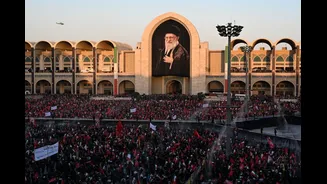
The mortal remains of Ali Khamenei will be buried next to the shrine of Imam Reza in the holy city of Mashhad –– also his hometown –– marking the conclusion of a six-day funeral ceremony that began in Tehran on July 4.
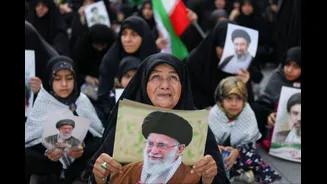
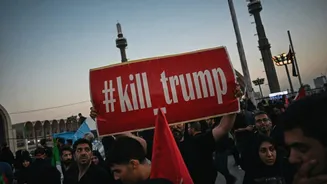
Following a grand procession through the holy cities of Najaf and Karbala in neighbouring Iraq on Wednesday, Khamenei’s remains will arrive in Mashhad on Thursday, July 9, for the burial. The six-day procession that travelled through Tehran, Qom, and Iraq’s Najaf and Karbala attracted millions of mourners from around the world as well as international dignitaries.
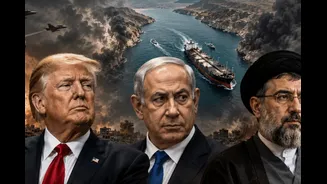
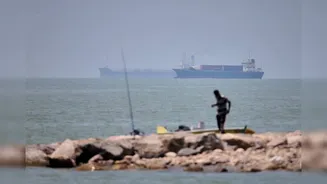
The procession also coincided with fresh escalation in West Asia as the United States directed “powerful strikes” on Iran in response to what it described as Tehran’s attacks on vessels transiting the Strait of Hormuz.
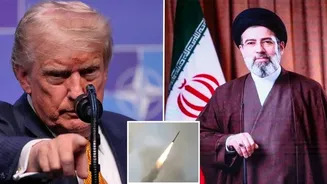
Hours later, US President Donald Trump declared that the ceasefire with Iran was “over” and that he didn’t want a deal anymore. In his opening address at the NATO summit in Ankara, Turkey on Wednesday, Trump claimed that the peace agreement was a complete “waste of time”.
The latest spate of strikes between the two countries threaten hopes for the restoration of maritime traffic through the strategic waterway as countries continue to navigate the economic strain caused by the war.