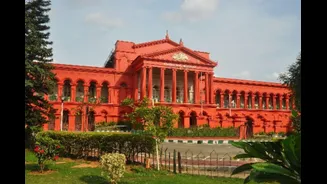









When foreign nationals come to India to study, work or travel, the rules governing their stay often feel invisible until something goes wrong. A recent case before the Karnataka High Court has brought
those rules into sharp focus, clarifying what foreigners can legally seek when it comes to visas and where the state’s discretion begins and ends.
The ruling came while dismissing appeals filed by two Nigerian nationals who had challenged the cancellation of their visas and the restrictions placed on their movement by immigration authorities.
The Case That Triggered the Ruling
The appellants, Obinna Jeremiah Okafor and John Adewagh Vandefan, approached the High Court after a single judge refused to interfere with an order issued by the Foreigners Regional Registration Office. The order restricted their movement following the cancellation of their visas.
Both men claimed they were in India on student visas and argued that their fundamental rights under Articles 14 and 21 of the Constitution had been violated. They contended that the visa cancellation was carried out without prior notice and without furnishing reasons, denying them an opportunity to be heard.
What the Court Said
A division bench examined the arguments and refused to intervene, reiterating settled legal principles governing immigration. The court held that foreign nationals have no enforceable right to demand the grant or renewal of a visa and that the government is not legally bound to disclose reasons for refusing or cancelling one.
The bench observed that matters relating to entry, stay and exit of foreigners fall within the sovereign powers of the state and are governed by immigration laws. Under these provisions, the grant of a visa is a privilege, not a right, and remains subject to executive discretion.
Constitutional Rights and Their Limits
The court also clarified that certain constitutional freedoms, including the right to move freely and reside anywhere in the country, are available only to Indian citizens. These protections cannot be claimed by foreign nationals once their visa expires or is cancelled.
Even assuming procedural lapses, the court noted that the visas of the appellants had already expired by the time the appeals were heard, leaving no continuing legal relief to be granted.
While allegations including drug-related involvement and possession of a fake passport were mentioned during proceedings, the court did not base its ruling on these claims. The judgment instead focused on the core legal question of whether a foreign national can insist on visa renewal or demand reasons for its denial.
What the Ruling Means for Foreign Nationals
The decision serves as a reminder that foreign nationals in India are governed strictly by visa conditions and immigration rules. While courts can examine exceptional cases, visa renewal or continuation cannot be claimed as a matter of right.
The Karnataka High Court’s ruling reinforces the principle that immigration decisions largely fall within the executive domain, with limited scope for judicial intervention. For foreign students, workers and residents, compliance with visa conditions and timelines remains critical, as legal remedies in visa matters are narrow and limited.