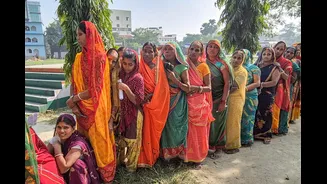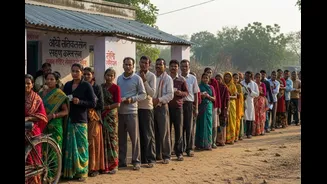








With the Tamil Nadu Assembly Elections 2026 nearing, thousands of young, first-time voters will be entering polling booths for the first time. One must note that Tamil Nadu will vote on April 23, 2026,
and the results will be announced on May 4.
Although the process may appear daunting, voting in India is straightforward, well-organised, and designed to be accessible to everyone. Here is a clear, step-by-step guide to help first-time voters cast their vote smoothly.
1. Verify Your Name in the Voter List
Before election day, confirm that your name appears in the electoral roll. You can do this online using your EPIC number or personal details. Without your name on the list, you will not be allowed to vote – even if you have a Voter ID card.
2. Find Your Polling Booth
Once your registration is confirmed, locate your designated polling station. This information is available online or via voter helplines. Knowing your booth in advance helps avoid last-minute confusion.
3. Carry Valid Identification
On polling day, carry your Voter ID card to the polling booth. If you don’t have it, you can still vote using other valid ID proofs such as Aadhaar, passport, driving licence, or PAN card—provided your name is on the voter list.
ALSO READ | Tamil Nadu Election 2026: The 20 Constituencies That Will Decide State’s Next Government
4. Complete Verification Process
At the booth, election officials will verify your identity. Your finger will be marked with indelible ink to indicate that you have voted, preventing duplicate voting.
5. Cast Your Vote
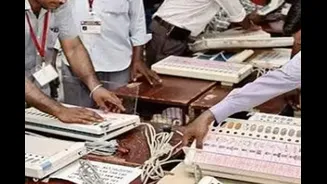
You will then proceed to the Electronic Voting Machine (EVM). Press the button next to your preferred candidate or party symbol. A VVPAT slip will briefly display your selection, confirming your vote. Once done, exit the booth peacefully. Avoid sharing your vote choice publicly within the polling area, as secrecy is a key part of the process.
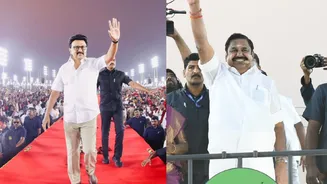
The parties in the Tamil Nadu election process this year include the AIADMK-led NDA, TVK (Tamilaga Vettri Kazhagam), NTK (Naam Tamilar Katchi), and the DMK’s Secular Progressive Alliance (SPA).