







A handling charge that appears only at checkout. A donation already selected on your behalf. A warning that suggests declining insurance means willingly taking a risk.
Such seemingly minor features on apps
and websites are increasingly coming under regulatory scrutiny in India as “dark patterns” — deceptive design techniques that steer consumers towards choices they may not otherwise have made.
The Central Consumer Protection Authority (CCPA) has taken action against nine platforms, including Zepto, IndiGo, Physics Wallah, FirstCry, SpiceJet, PharmEasy, McAfee, BookMyShow and coaching platform Anuj Jindal, the government told the Rajya Sabha on Wednesday.
Monetary penalties totalling around Rs 20 lakh were imposed in seven of the cases, while IndiGo and BookMyShow changed their interfaces following the regulator’s intervention.
But what exactly are dark patterns, how do they influence online decisions, and which practices have been prohibited in India?
What Are Dark Patterns?
Dark patterns are features deliberately built into an app or website to mislead, pressure or manipulate users into making choices that benefit the platform.
They may push users into paying an additional fee, buying an unwanted add-on, subscribing to a recurring service, sharing personal information or retaining something they intended to remove.
The concern is not simply that an interface is irritating or confusing. A design becomes a dark pattern when it interferes with a consumer’s ability to make a free and informed choice.
For example, a platform may make the button accepting an add-on large and prominent while displaying the option to reject it in faint text. It may show a low price initially but reveal unavoidable charges only after the customer has invested time in completing the purchase.
The consumer technically retains a choice, but the platform controls how that choice is presented.
What Did The CCPA Find?
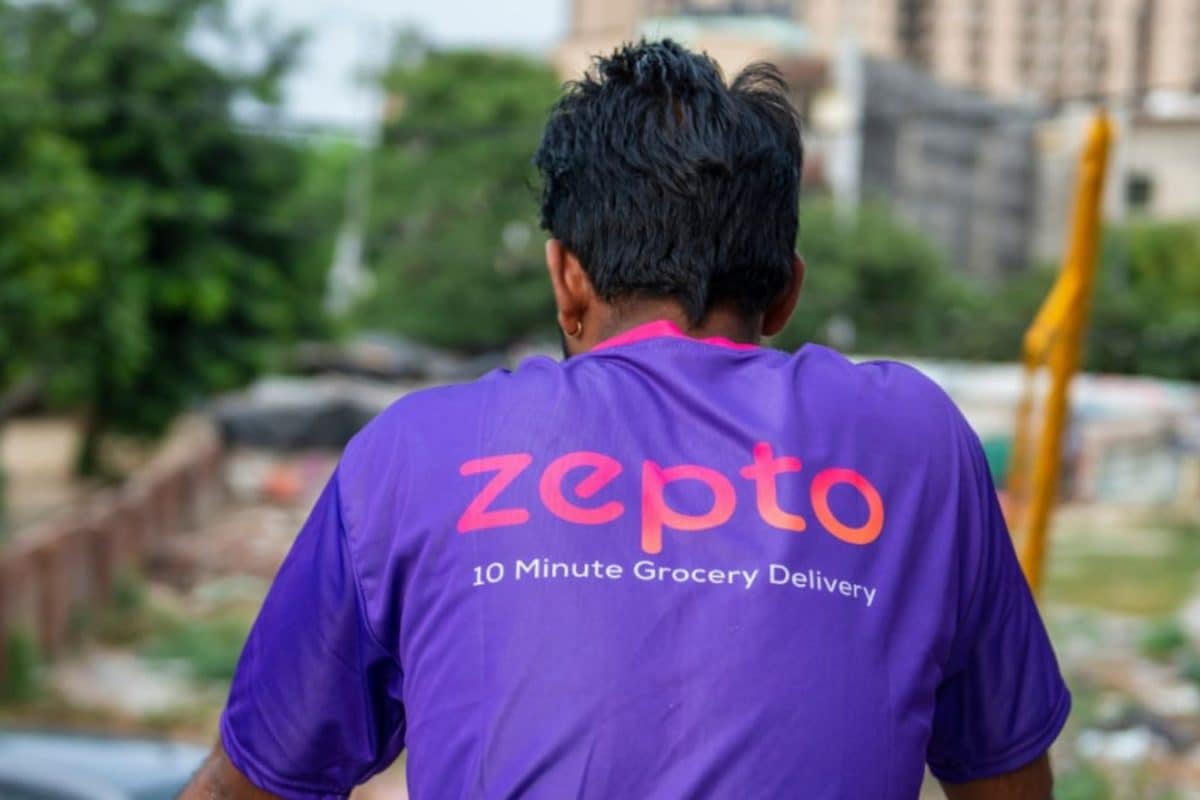
Zepto was fined Rs 7 lakh after the regulator found that handling charges appeared later in the purchase process and that a membership was automatically added. The CCPA classified these practices as drip pricing and basket sneaking, respectively.
Physics Wallah was fined Rs 5 lakh after a Rs 10 donation to its foundation was found to be pre-selected. The regulator also objected to emotionally persuasive messages encouraging users to retain the donation and the mandatory collection of personal information before access to free courses.
IndiGo, meanwhile, changed an opt-out message on its application from “No I will take risk” to the more neutral “No, I will not add to the trip” after complaints of confirm shaming.
BookMyShow was directed to remove a pre-ticked Re 1 contribution to its BookASmile initiative.
FirstCry was fined Rs 2 lakh, coaching platform Anuj Jindal Rs 3 lakh, and PharmEasy, McAfee and SpiceJet Rs 1 lakh each over practices including hidden charges, misleading countdowns, forced subscriptions and manipulative renewal prompts.
How Widespread Are Dark Patterns?
The latest enforcement action comes amid evidence that deceptive design techniques are widespread across India’s digital economy.
A July study by LocalCircles found that around 95 per cent of publicly listed companies with consumer-facing online transaction platforms used at least one dark pattern.
Forced action was the most common, detected on 72 per cent of the platforms analysed, followed by drip pricing on 65 per cent. Interface interference and bait-and-switch practices were found on 52 per cent each, while nagging appeared on 36 per cent and subscription traps on 33 per cent.
What Are The 13 Types Of Dark Patterns?
India’s Guidelines for Prevention and Regulation of Dark Patterns, notified in 2023, identify 13 forms of deceptive design.
False Urgency: This creates an artificial sense that a product, service or offer is about to disappear. Examples include misleading countdown timers, claims that only one item remains or warnings that several other customers are about to purchase the same product.
Basket Sneaking: Basket sneaking occurs when a platform adds an item, contribution, membership or service to a customer’s cart without explicit consent. A pre-selected donation or automatically added membership fee would fall under this category.
Confirm Shaming: This uses guilt, fear or embarrassment to make users accept a particular choice. Instead of offering a neutral “No”, a platform may use language such as “No, I do not want to save money” or imply that rejecting insurance is reckless.
Forced Action: Users are required to perform an unrelated action before gaining access to the service they want. This may include forcing them to create an account, share unnecessary personal information, subscribe to communications or download another application.
Subscription Trap: A platform makes subscribing easy but cancellation unnecessarily difficult. Cancellation options may be buried inside menus, involve several additional steps or require consumers to contact customer support.
Interface Interference: The interface is designed to favour one choice over another. A platform may make the profitable option bright and prominent while hiding the cheaper option in smaller or faint text.
Bait And Switch: A user selects an option expecting one result but receives a different outcome. For instance, clicking a button to reject an offer may unexpectedly activate another feature or redirect the user elsewhere.
Drip Pricing: The full price is not disclosed upfront. Instead, additional mandatory fees are revealed gradually during the transaction. By the time the final amount appears, the consumer may have already spent several minutes completing the purchase and may be reluctant to abandon it.
Disguised Advertisement: Paid promotions are presented in a manner that makes them resemble ordinary content, independent recommendations or neutral search results. Users may therefore click on them without realising that they are advertisements.
Nagging: A platform repeatedly interrupts users with the same request despite their having already rejected it. Common examples include repeated prompts to enable notifications, subscribe, share data or purchase an upgrade.
Trick Question: Confusing language, double negatives or ambiguous wording is used to make consumers select an option they did not intend to choose. For example, users may be asked to untick a box if they do not want to stop receiving promotional messages.
SaaS Billing: This relates to deceptive recurring billing by software-as-a-service platforms. It may involve unclear renewal terms, silent deduction of payments, conversion of free trials into paid subscriptions or inadequate reminders before renewal.
Rogue Malware: A platform may display false or exaggerated warnings suggesting that a device has a virus or security problem. The user is then pressured into purchasing software or downloading a programme that they may not need.
How Can Consumers Spot Dark Patterns?
Consumers should compare the price first displayed with the final amount charged and carefully review their cart for pre-selected memberships, donations or insurance.
They should also watch for misleading countdowns, emotionally loaded refusal buttons and free trials that require payment details without clearly explaining renewal terms.
The most important question is not whether an additional charge is small. It is whether the consumer actively and knowingly agreed to pay it. Dark patterns blur that distinction by making decisions designed by the platform appear to be decisions made by the user.