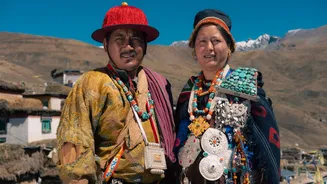




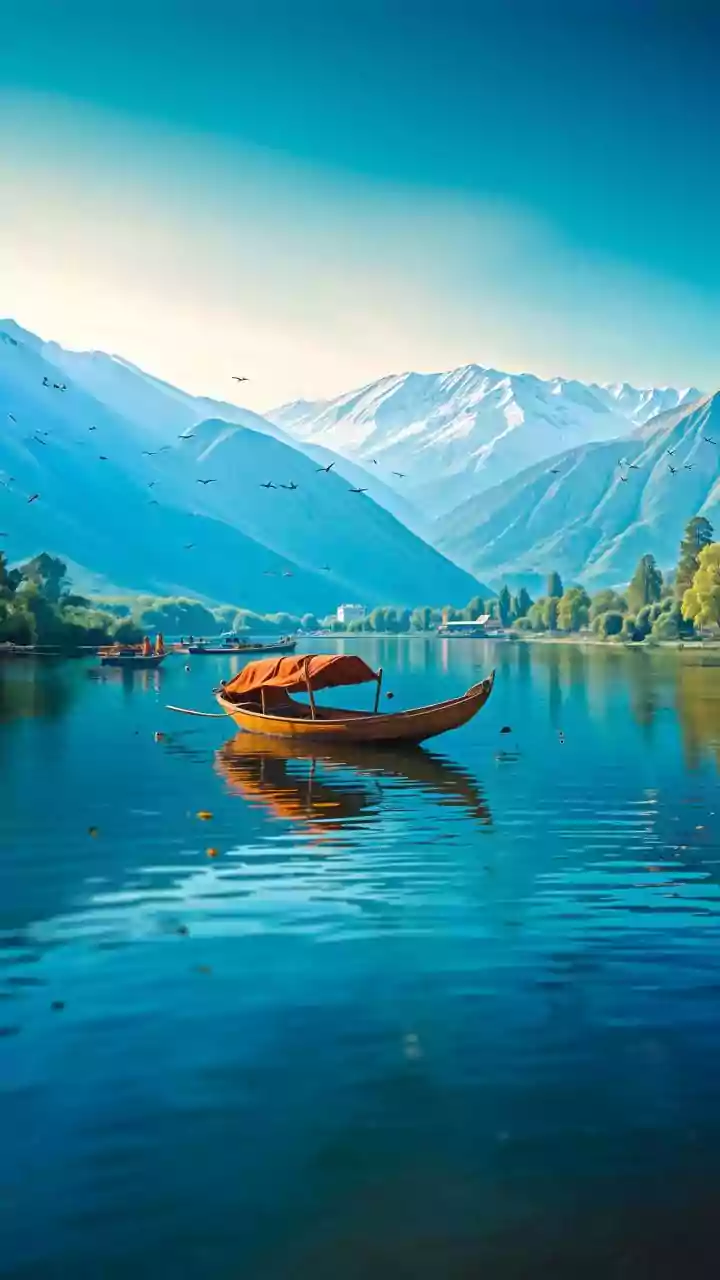



In the high-altitude villages of Himachal Pradesh, culture is not archived, it is lived. It exists in the way homes are built, jewellery is worn, meals are served, and stories are painted into existence.
But as modernisation accelerates and climate pressures intensify, many of these traditions risk fading into memory.
It is within this fragile yet vibrant landscape that Royal Enfield Social Mission, in partnership with UNESCO, has carved out a unique intervention: The Great Himalayan Exploration. More than a motorcycling expedition, it is a cultural documentation initiative, one that brings together riders, researchers, and creatives to engage deeply with the Intangible Cultural Heritage (ICH) of the Indian Himalayas.
Documenting a Living Legacy
At its core, The Great Himalayan Exploration is about capturing traditions that cannot be confined to museums, those passed down through generations by memory, practice, and community. From intricate art forms to indigenous knowledge systems, the initiative has already documented over 100 such practices across the Eastern and Western Himalayas.
In its fourth edition, set in Himachal Pradesh, the project moved beyond observation into immersion. Rider-researchers engaged directly with local communities, documenting their ways of life through video and participant observation, ensuring that these traditions are recorded not as relics, but as living, evolving practices.
Among the many cultural expressions documented are:
Chamba Thaal: Ornate ceremonial platters crafted in metal, rich with regional motifs
Kangra Paintings: Delicate miniature artworks known for their fine detailing and natural pigments
Kath-Kuni Architecture: A traditional, earthquake-resistant construction technique using interlocking wood and stone
Spiti Jewellery: Silver and turquoise adornments reflecting Tibetan influences and symbolism
Himachali Topi: A woollen cap that serves as a marker of identity and heritage
Each of these practices offers a glimpse into the region’s layered cultural fabric, where artistry and everyday life are deeply intertwined.
Beyond Documentation: Creating Economic Pathways
While documentation is a critical first step, the larger challenge lies in ensuring that these traditions remain viable in a rapidly changing world. Many Himalayan communities face a combination of environmental and economic pressures from resource scarcity and climate variability to declining market relevance for handcrafted goods.
This is where the initiative expands its scope. Through projects like The Himalayan Knot, the brand is working to create tangible market linkages for artisans, connecting traditional crafts with contemporary audiences. Platforms such as Journeying Across the Himalayas, a multidisciplinary festival, further amplify these efforts, offering spaces where practitioners can showcase their work, perform, and engage with wider markets.
Community-run pit stops, too, are part of this ecosystem, bringing local architecture, cuisine, and knowledge into the tourism experience, and turning cultural exchange into an income-generating opportunity.
Communities at the Centre
What sets this initiative apart is its community-first approach. Rather than imposing external narratives, it builds on the knowledge of elders, artisans, and master practitioners, those who have sustained these traditions over decades.
Increasingly, there is also a focus on involving younger generations. By integrating traditional skills into viable economic models, the project aims to shift perception, positioning heritage not as something outdated, but as a source of pride and livelihood.
This intergenerational bridge is crucial. As younger members of these communities find value both cultural and financial in their traditions, the likelihood of migration decreases, and continuity becomes possible.
The Challenge of Relevance in a Modern Economy
Despite these efforts, significant barriers remain. Handcrafted goods, by their very nature, require time, skill, and resources making them less competitive in a fast-paced, mass-production economy. Limited access to markets, technology, and awareness further compounds the challenge.
To address this, targeted interventions are essential. By curating platforms like the Himalayan Bazaar and facilitating exposure to new audiences, Royal Enfield’s initiative is attempting to bridge the gap between traditional craftsmanship and modern consumer demand.
The goal is not to alter these practices to fit the market, but to help the market recognise their value.
Preserving Culture Through Purposeful Travel
Underlying the initiative is a larger idea, responsible tourism. By encouraging riders and travellers to engage meaningfully with Himalayan communities, The Great Himalayan Exploration reframes travel as a cultural exchange rather than a passive experience.
In doing so, it creates a cycle of awareness, appreciation, and economic support, where visitors contribute to the preservation of the very traditions they come to experience.
A Future Rooted in the Past
The long-term vision of The Great Himalayan Exploration is both simple and ambitious: to ensure that the Himalayas’ cultural heritage remains not just preserved, but practised.
Because traditions survive not through documentation alone, but through relevance. And when culture becomes both a source of identity and a means of livelihood, it gains the resilience needed to withstand the pressures of modernity.
In the end, this journey is not just about riding through the Himalayas—it is about understanding them.