





What begins on social media often ends in excess. But some beauty trends are evolving beyond hashtags and into serious dermatological practice. Concepts like glass skin, peptide-based skincare, and skin cycling
– once seen as global fads – are now reshaping consultations inside Indian dermatology clinics. The shift is subtle yet significant: from aggressive correction to long-term skin health, from instant results to sustainable biology, and from impulse treatments to informed, evidence-backed care.
A More Informed Indian Patient
Dermatologists agree that today’s patients are arriving better educated and more intentional about their skincare choices. Dr. Rinky Kapoor, Co-Founder and Director of The Esthetic Clinics, Mumbai, notes, “Glass skin, peptide-based formulations, and skin cycling have moved from social media into dermatology clinics across India, fundamentally changing how we approach skin health.”
She adds that patients are no longer chasing quick fixes. “They arrive informed, asking about ingredient science and ready to invest in consistent, evidence-based care rather than impulsive treatments.”
This growing literacy has shifted clinic conversations toward barrier repair, hydration, and prevention, which are core pillars of skin longevity.
Glass Skin: From Aesthetic Ideal To Skin Biology
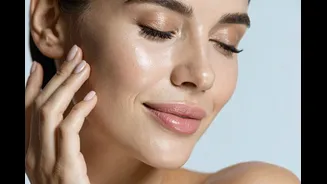
While the term ‘glass skin’ may sound cosmetic, its clinical interpretation is rooted in skin function. Dr. Shefali Mahlawat, Department of Dermatology, NIIMS Medical College & Hospital, Greater Noida, explains that glass skin refers to smooth, well-hydrated skin with an even distribution of melanin, capable of reflecting light effectively.
Rather than focusing on skin lightening or aggressive resurfacing, Indian patients are now prioritising luminosity and epidermal balance. “Dermatologists within India are now focusing on repairing and strengthening the epidermal barrier, utilizing gentler exfoliation methods, and developing hydration-oriented skincare routines,” she says. This is especially critical for Indian skin that is prone to sensitivity, acne, and post-inflammatory hyperpigmentation.
Peptides And The Rise Of Preventive Ageing
Peptides have emerged as a key driver of this evolution. According to Dr. Mahlawat, “Peptides are made up of chains composed of amino acids and work as signaling agents,” directly influencing collagen production, fibroblast activity, and skin healing.
Dr. Rinky Kapoor adds that peptides have pushed clinics toward cellular-level interventions and combination therapies that work synergistically. Their high tolerance profile makes them suitable for long-term use, especially in sensitive or compromised skin.
Clinics across India are increasingly pairing peptide-based formulations with procedures like microneedling, chemical peels, and lasers to support recovery and enhance outcomes.
Skin Cycling: Smarter, Not Stronger
Another trend gaining clinical credibility is skin cycling. Dr. Mahlawat points out that the concept is supported by journal articles and research in dermatology, offering a structured way to introduce active ingredients without overwhelming the skin.
Overuse of retinoids and exfoliating acids is a common cause of irritation and non-compliance. Skin cycling allows results while protecting the epidermal barrier – particularly relevant for Indian patients exposed to pollution, UV radiation, and humidity.
Dr. Preeti Seth, biohacking expert and founder of Pachouli Group, Delhi, highlights, “Cycling potent actives and working around skin repair mechanisms helps minimize the risk of over-exfoliation or traumatization.” She adds that biohacking tools and techniques are now preferred over conventional, one-size-fits-all routines.
Adapting, Not Imitating Global Trends
Indian dermatology isn’t blindly copying global beauty ideals. As Dr. Kapoor emphasises, “Indian dermatology isn’t simply copying these trends. We’re adapting them to our climate, skin diversity, and lifestyles.” Education has become central – helping patients understand that trends offer frameworks, not prescriptions.
These trends mark a broader shift from crisis-driven treatments to preventive, maintenance-based care. Consultations now focus on consistency, barrier integrity, and long-term outcomes rather than dramatic overnight transformations.
As global beauty ideals mature, Indian dermatology is responding with scientific nuance and cultural context by embracing innovation without compromising skin health. The result is a more balanced, biology-respecting approach where trends serve the skin, not the other way around.