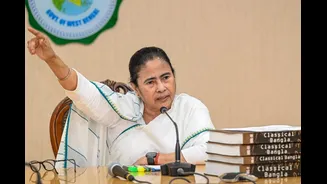









Ahead of the West Bengal elections, the Trinamool Congress (TMC) had rolled out an aggressive and highly structured campaign strategy to take on the Bharatiya Janata Party (BJP). In a bid to counter BJP’s
narrative and highlight its own development agenda, the party organised more than 300 press conferences across the state. The TMC adopted a two-tier communication strategy, addressing national and central issues through press briefings in Kolkata, while simultaneously engaging on local matters through interactions both in Kolkata and at the district level. The same model was used to respond to statements made by Prime Minister Narendra Modi and Home Minister Amit Shah. From the first week of March, the party set up dedicated media cells in the state capital as well as across districts. These cells functioned daily, with spokespersons and party leaders briefing the press, rebutting BJP’s allegations, and presenting the TMC’s stance. For key issues, the party deployed a four-level attack plan. This included filing complaints with the Election Commission, followed by press conferences at Trinamool Bhavan in Kolkata, then district-level outreach, and, when necessary, additional press briefings from Delhi. Through this extensive media outreach, the TMC focused on questioning Election Commission observers, showcasing the state government’s development work, highlighting alleged misconduct by BJP, and presenting evidence-backed claims. To ensure rapid and coordinated responses, a team of over 40 spokespersons was stationed at Trinamool Bhavan, ready to address emerging issues promptly. In the run-up to voting, the TMC clearly placed media management and narrative-building at the core of its campaign, deploying a multi-layered strategy aimed at countering BJP at every level.