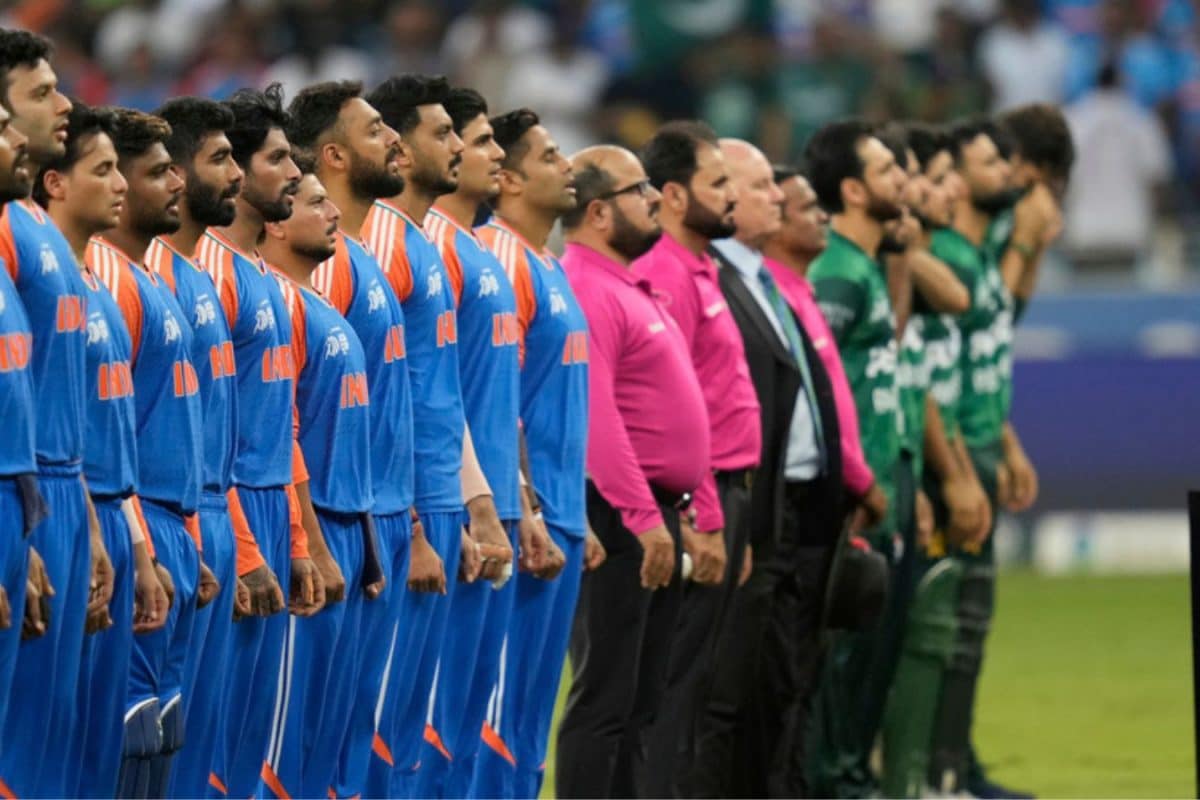


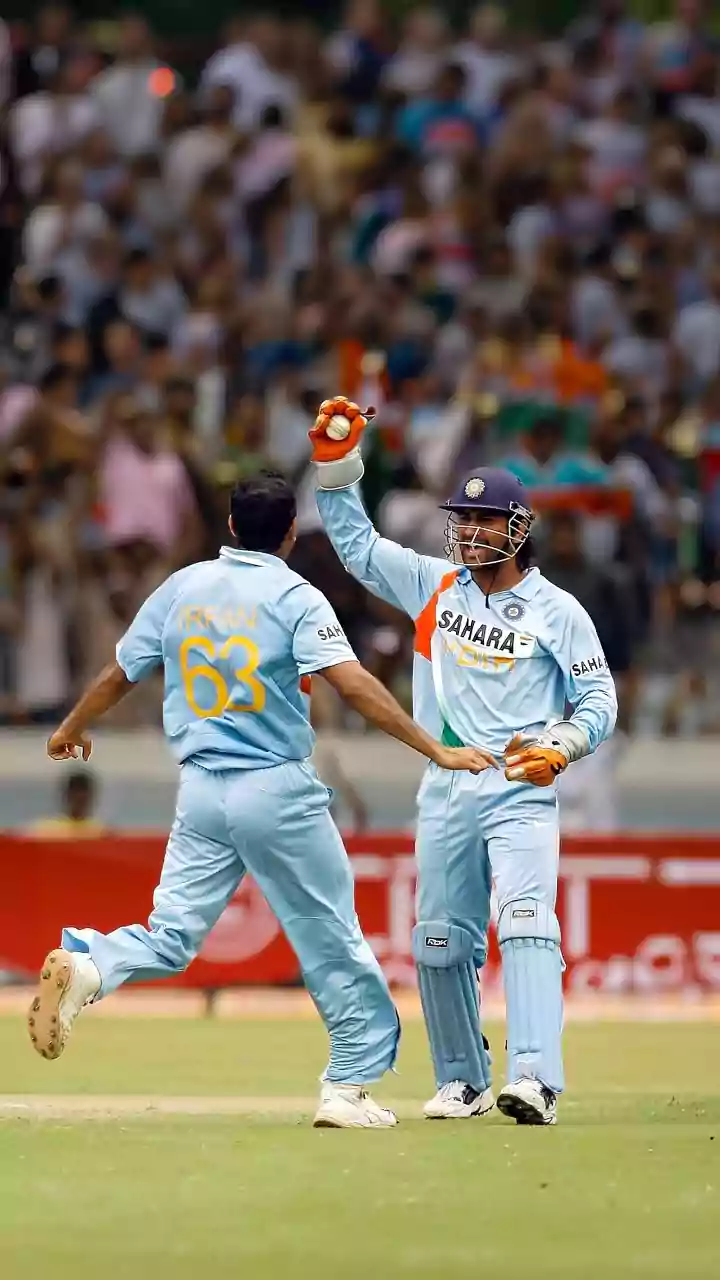


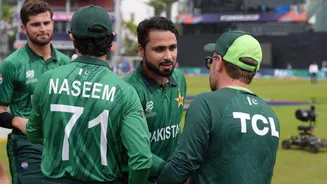

The Government of Pakistan’s reversal of its directive to boycott the scheduled T20 World Cup match against India on February 15, 2026, in Colombo has averted catastrophic financial losses for the global
cricket ecosystem. The decision, confirmed late on February 9, follows intense diplomatic and cricketing diplomacy and preserves the single most valuable fixture in world cricket.
Pakistan’s initial boycott threat was made in solidarity with the Bangladesh Cricket Board (BCB), which was replaced by Scotland after its request to move matches out of India was denied.
The reversal came following ‘back channel discussions’ involving ICC members and a formal request from the BCB itself, urging Pakistan to play for ‘the benefit of the entire cricket ecosystem.’ The Government of Pakistan stated the decision was made after considering requests from ‘friendly countries,’ including Sri Lanka.
The Revenue at Stake
According to multiple reports that quoted industry sources with knowledge of confidential International Cricket Council (ICC) negotiations, each India-Pakistan match in an ICC event has an estimated value of approximately USD 250 million (approx. INR 2,264 crore on current exchange rates).
This valuation is central to the ICC’s current media rights cycle, a deal worth USD 3 billion (approx. INR 27,168 crore) with broadcaster JioStar for the period 2023-2027.
Breakdown of Averted Losses
As per sources cited in the reports, the cumulative loss from a boycott would have been around USD 174 million (approx. INR 1,576 crore). This figure encompasses:
Broadcast Revenue: The primary financial driver. The host broadcaster, JioStar, faced potential advertisement revenue losses between Rs 200 crore to Rs 250 crore (approx. USD 22 million – 27.6 million) for the marquee game. A 10-second commercial slot for this fixture can cost up to Rs 40 lakh (approx. USD 44,200).
ICC & Member Shares: The ICC’s revenue distribution model is heavily dependent on these matches. With four guaranteed India-Pakistan matches in the current financial cycle (2024-2027), broadcasters are said to rely on this USD 1 billion (approx. INR 9,056 crore) revenue stream to ensure profitability and, by extension, the shares distributed to member boards like the Pakistan Cricket Board (PCB).
Gate Receipts & Sponsorships: Additional losses would have accrued from ticket sales (gate money) and other event-specific sponsorships tied to the fixture’s audience reach.
Immediate Economic Ripple Effect:
The market reaction to the confirmation of the match underscores its value. Minutes after the U-turn was confirmed, flight prices for a Mumbai-Colombo-Mumbai round trip reportedly increased by Rs 10,000 to Rs 60,000 (approx. USD 110 – 663), indicating an immediate surge in fan travel demand.
PCB’s Specific Financial Exposure:
Had the boycott proceeded, the PCB faced severe financial penalties from the ICC. The PCB’s share in the ICC’s 2024-27 financial cycle is approximately USD 144 million (approx. INR 1,304 crore), paid out at roughly USD 38 million (approx. INR 344 crore) annually.
The ICC could have withheld these funds as a penalty. Furthermore, as a signatory to the ICC’s Participating Nations’ Agreement, the PCB could have been liable for compensation claims from broadcasters and sponsors, threatening its financial health. The PCB’s annual revenue from the ICC is approximately USD 35.5 million (approx. INR 321 crore), a fraction of the value of one India-Pakistan match.
Conclusion
Pakistan’s decision to compete against India has safeguarded an estimated USD 174-250 million (approx. INR 1,576 – 2,264 crore) in immediate global cricket revenue and protected the financial stability of its own cricket board. The episode underscores the unparalleled economic weight of the India-Pakistan cricket rivalry, a fixture upon which the commercial foundations of ICC events critically depend.