






Every year, in the second week of March, we celebrate World Kidney Day, with the aim of making people aware of different kidney-related ailments. This year, the theme for World Kidney Day is “Kidney Health
for All – Caring for People, Protecting the Planet”.
The World Health Organisation has included all kidney-related diseases in the category of silent killers. This is because people who are suffering from kidney disease show almost no or minimal symptoms in the early phase of their sickness. The symptoms only occur when significant damage has already occurred to the kidneys. The ideal way to deal with kidney diseases is to identify at-risk individuals who are most likely to develop kidney diseases and keep them under observation and treat them early on if signs begin to show up.
We speak to Dr Sudhiranjan Dash, Senior Consultant Nephrologist and HOD Academics, Department of Nephrology, Sir H N Reliance Foundation Hospital, Mumbai, to understand how can we keep our kidneys healthy.
Low salt intake also plays a strong role in maintaining kidney health by controlling blood pressure and reducing the dose of antihypertensives and their number. It also reduces frequent urinary stone formation, which in turn can affect kidney health.
Fluid intake also plays a role in reducing the formation of stones. Too much or too little water consumption can cause damage to health. In tropical countries, Chronic Kidney Disease (CKD) is quite high. People who drink less water and work in a hot and humid environment experience CKD, frequent urinary stones and a specific association called heat stress nephropathy. Mineral water consumption during excessive exercise or during marathon running is more appropriate than only drinking mineral water.
There is a strong association of kidney diseases with dietary preferences. A high-protein non-vegetarian diet can cause a rapid decline in renal function with underlying mild kidney disease. Besides, a non-vegetarian diet has also been associated with Renal Cell Carcinoma (RCC). Renal reserve, which reduces with age, can be maintained for a longer duration if we compare individuals taking a vegetarian diet with a non-vegetarian diet.
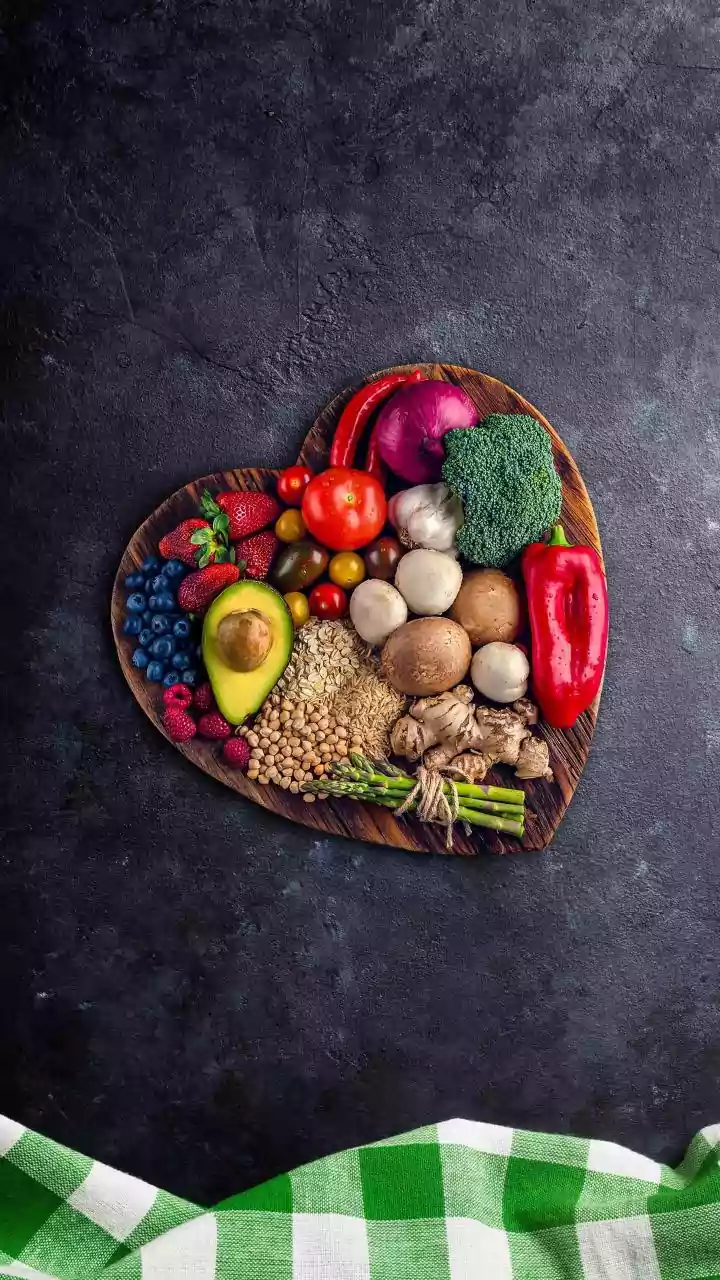
5 vegetables to include in your diet for healthy kidney
- Cabbage: It is a cruciferous powerhouse, low in potassium and phosphorus, cabbage is packed with vitamins C/K/B6 and fiber. It has phytochemicals that neutralises free radicals, fight cancer, and protect cells. Eat cabbage raw in salads or stir-fried.
- Red Bell Peppers: Rich in vitamin C/A/B6 stars, the lycopene in red bell pepper have antioxidant that shield against cancer. Its fibre aids digestion. Crunchy raw or roaste, it boosts immunity without overload.
- Cauliflower: Versatile, low-potassium cauliflower naturally detoxifies the liver and neutralises toxins. Vitamin C reduces oxidative stress. You can steam it, swap it for rice, or make it into a creamy mash.
- Arugula: Peppery green, light in potassium and has vitamin K, arugula has manganese and calcium, which is good for bone health. Its antioxidants lower blood pressure and it can be used in salads or smoothies.
- Onions/Garlic: The sulfur compounds in onions and garlic can combat inflammation. Onions can stabilise blood sugar, while garlic thins blood. Sauté or raw for flavour without salt.