








Selena Gomez has always been very vocal about the health issues she faces. She doesn’t shy away from sharing her problems, using her own limitations to spread awareness about them.
During a recent Instagram
Live session, the singer-turned-actor and producer spoke about the five o’clock shadow she has on her upper lip, aka melasma.
In a video posted on her IG Stories, Selena couldn’t help but laugh as she revealed that a fan had “made her laugh” when they asked her, “How do you, like, shave your moustache?”
“Alguém acabou de me fazer rir porque me perguntou como eu tiro meu ‘bigode’ e eu entendo, pessoal [risos] na verdade, eu tenho melasma por causa do sol, e você obviamente precisa tomar cuidado e usar protetor solar. Não é bigode, são manchinhas do sol.”
Selena Gomez via… pic.twitter.com/RPFIT1pnxN
— Selena Gomez Brasil (@selenagomezbr) December 16, 2025
The Only Murders in the Building star, who appeared makeup-free in the video and even zoomed in on her upper lip and said, “I was like, I totally get it! I actually have melasma and a pimple. I take care of it and treat it, but yeah, it’s there.”
“It’s from the sun,” the singer, 33, explained while encouraging her followers to use sunscreen. “So you’ll have to obviously wear sunscreen and be careful. But it’s actually not [a moustache].”
And no, she took no offense. Selena ends the video unapologetically saying, “That’s me!”
What is melasma?
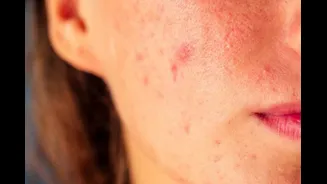
Melasma is a common skin condition that is characterised by brown or blue-grey patches. It is often called the “mask of pregnancy” and typically appears on a person’s face, like their cheeks, forehead, nose bridge, upper lip, and chin. These freckle-like spots result from overactive melanocytes producing excess melanin pigment, worsened by sunlight, visible light, or heat.
Who can get melasma?
It affects anyone but strikes women far more often, in almost 90% of cases, especially those with medium to darker skin tones. The common triggers include hormonal shifts from pregnancy, birth control pills, hormone therapy, or thyroid issues. Other triggers also include sun exposure, genetics, stress, use of cosmetics and even certain drugs like antiseizure medicines or retinoids. Men might develop melanoma, too, though it is very rare.
How to treat melasma?
Melasma resists full eradication and may recur without prevention, but treatments can fade it effectively. Dermatologists usually recommend broad-spectrum sunscreen (SPF 50+ daily) as it will block UV/infrared rays. You can also undergo procedures including chemical peels, microneedling, or lasers (used cautiously to avoid worsening pigmentation). It may resolve post-pregnancy or with trigger removal, but dermal types linger longer.