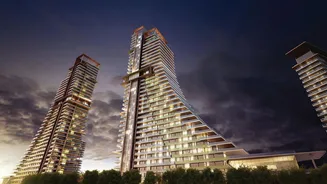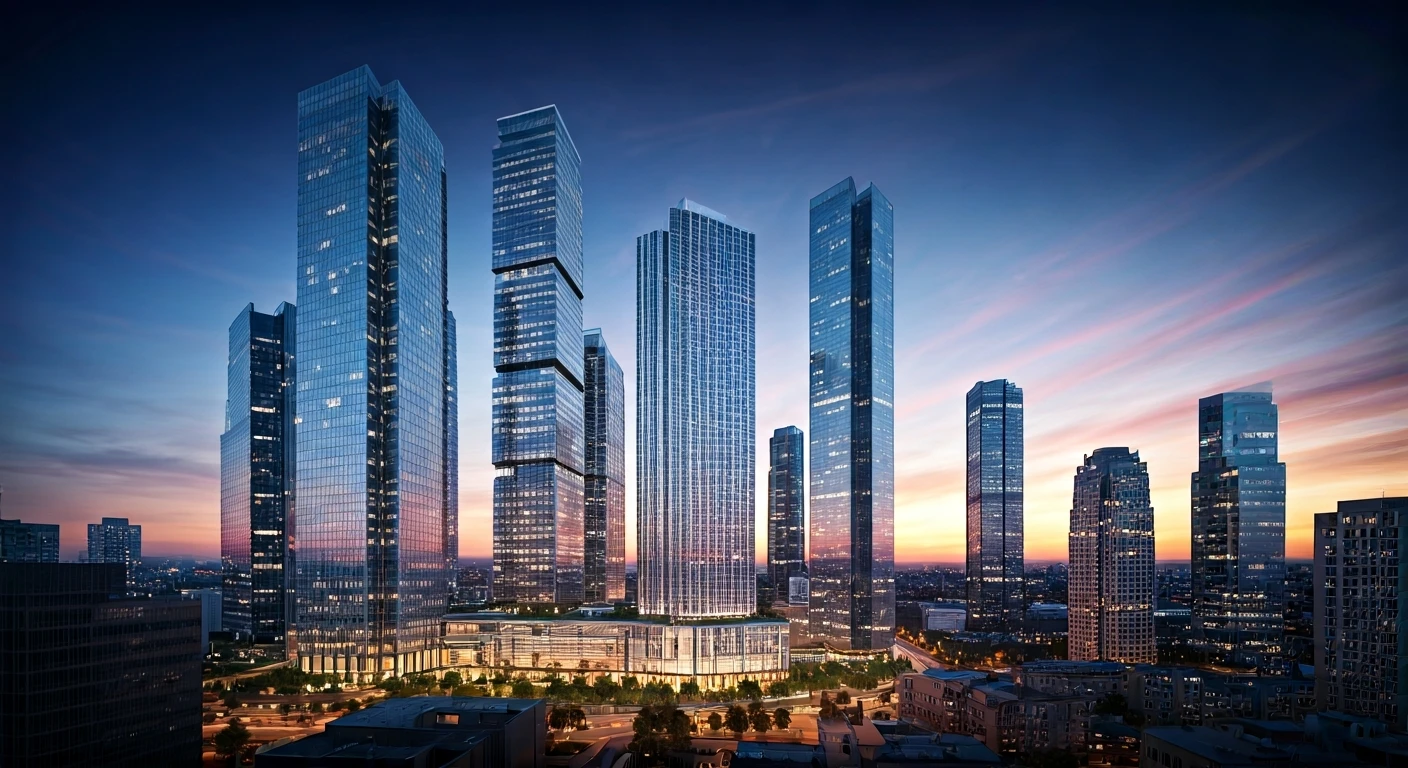









Chennai has never been a city of skyscrapers. For decades, height restrictions, including those linked to radar installations and planning norms, kept buildings relatively low. But that’s quietly changing.
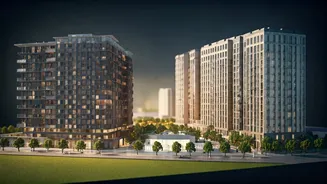
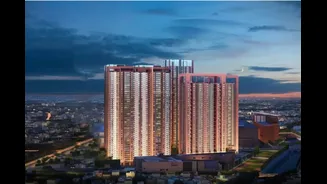
Over the past few years, developers have started building taller, especially along OMR, Perumbakkam and the northern corridor. Rising land prices and redevelopment pressure are pushing projects upward, making vertical growth less of a choice and more of a necessity. The shift isn’t loud or dramatic, but it’s definitely happening. 1. SPR Highliving District Tower H, PeramburAt around 170+ metres and 45 floors, this is currently Chennai’s tallest building. Part of the SPR City development, it reflects a new scale of ambition for the city, combining residential and commercial spaces in one large integrated project. 2. Hiranandani Anchorage, Egattur (OMR)One of the tallest completed residential towers along OMR, rising to around 160 metres. It’s part of the broader Hiranandani township and shows how Chennai’s vertical growth is largely happening in planned peripheral areas rather than the city centre. 3. TVH Ouranya Bay Towers, OMRAt just over 100 metres, these towers were among the earliest high-rise residential projects in Chennai. They marked an early shift toward vertical housing, especially along the IT corridor. 4. Bayview (Hiranandani), OMRAnother prominent residential tower along OMR, this project adds to the growing cluster of high-rises in the area. Its location near major IT parks has played a big role in driving demand, making OMR the city’s main high-rise stretch. 5. TCS Signature Tower, SiruseriAt around 100 metres, this is one of Chennai’s most recognisable office buildings. Its design and scale reflect how closely the city’s vertical growth is tied to its IT sector, where large campuses and office towers continue to shape the skyline. 6. Central Tower (under construction), Park TownExpected to rise to about 119 metres, this upcoming tower near Chennai Central marks a shift. For a city that has traditionally kept heights low in core areas, projects like this show that even central locations are slowly going vertical. 7. Arihant Majestic Towers, KoyambeduAt around 60+ metres, this may not seem very tall today, but it was an important early step for the city. It was among the first residential projects to go beyond older height norms, at a time when high-rises were still uncommon. 8. Arihant Ocean Tower, TriplicaneLocated in central Chennai, this was another early example of vertical living. It reflects a phase when the city first began experimenting with taller residential buildings before the trend shifted toward the outskirts. 9. LIC Building, Anna SalaiAt just 54 metres, this building looks modest now, but it once held the title of India’s tallest when it opened in 1959. It remains an important landmark and a reminder of Chennai’s earliest move toward building upward. 10. Upcoming OMR supertall projects (pipeline)What’s coming next could be even more significant. Several projects in the pipeline, especially along OMR, are expected to go much taller, possibly crossing 200 metres. If that happens, Chennai’s skyline could look very different in the next few years. The bigger picture is clear. Chennai is still not a skyscraper-heavy city, and height restrictions continue to shape its growth. But the direction is changing. The real story isn’t just the buildings that exist today, it’s the pipeline. And if current trends continue, Chennai’s skyline could look very different in the next five to ten years.