








Water is often hailed as the simplest health fix – drink more, feel better. From glowing skin to better digestion, hydration advice is everywhere. Yet despite how basic it sounds, the question of how much
water you should actually drink in a day is far more nuanced than the popular eight-glasses-a-day rule suggests. Your body’s hydration needs are shaped by your physiology, lifestyle, environment, and even underlying health conditions. Understanding this balance is key – not just to staying hydrated, but to avoiding the risks of both dehydration and overhydration.
What Doctors Say About Daily Water Intake
“There is no single formula that fits everyone,” explains Dr. Harika Uppalapati, Consultant – General Medicine, Manipal Hospitals, Vijayawada, noting that hydration needs depend on factors such as activity levels, climate, and overall health. She points out that water makes up nearly 50 to 70 per cent of the human body and is essential for every system to function efficiently.
Similarly, Dr. Mayur V Prabhu, Head – Nephrology, KMC Hospital, Mangalore, emphasises moderation. For most healthy adults, he says, daily intake generally falls between 2 and 2.5 litres, but this should be adjusted based on heat exposure, physical exertion, and individual medical conditions.
Why Water Is Essential For Everyday Functioning
Water plays a critical role in eliminating waste through urine, sweat, and bowel movements, regulating body temperature, cushioning joints, and protecting sensitive tissues. As Dr. Uppalapati explains, even mild dehydration can affect energy levels, concentration, and physical performance. Over time, insufficient fluid intake may lead to headaches, fatigue, constipation, and dizziness – signals the body sends when its water balance is off.
How To Know If You’re Drinking Enough Water
Rather than rigid targets, doctors recommend listening to your body. According to Dr. Uppalapati, hydration is likely adequate if you rarely feel thirsty and your urine appears pale yellow or nearly colourless. She adds that commonly cited guidelines, around 3.7 litres per day for men and 2.7 litres for women, include fluids from all sources, not just water. Roughly 20 per cent of daily fluid intake typically comes from food, particularly fruits and vegetables.
Factors That Change Your Water Needs
Hydration requirements are not static. Body weight, exercise intensity, and environmental temperature all influence how much water you lose through sweat. Dr. Prabhu highlights the concept of ‘insensible losses’ – fluid lost through breathing and perspiration, which increases in hot climates or during physical activity.
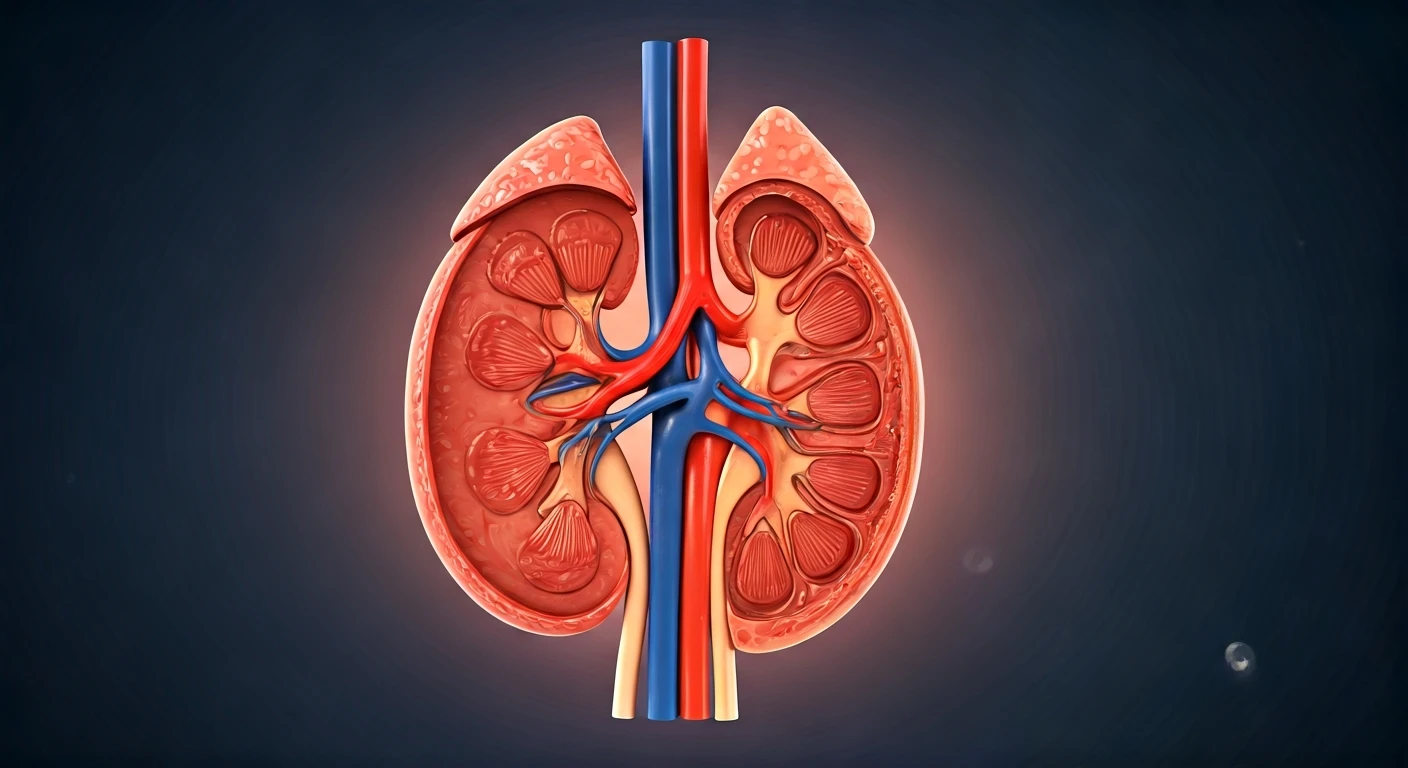
The body is remarkably adept at maintaining fluid balance. “In normal health, it adjusts automatically by producing concentrated urine when water is low, or dilute urine when intake is high,” he explains. This self-regulating system helps maintain equilibrium, unless underlying medical conditions interfere.
When Drinking Too Much Water Can Be Harmful
More water isn’t always better. Dr. Prabhu cautions that in individuals with heart or kidney disease, excess fluid intake can overwhelm the body’s compensatory mechanisms, leading to dangerous conditions such as fluid accumulation in the lungs. In such cases, hydration plans must be tailored and supervised by a physician.
Hydration is about balance, not excess. While water remains fundamental to health, your ideal intake depends on your body, lifestyle, and medical context. Instead of blindly following generic rules, pay attention to physical cues, environmental demands, and professional advice. When consumed thoughtfully, water supports everything from metabolism to mental clarity – quietly doing its job, sip by sip.