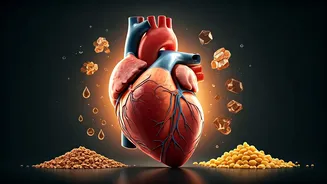







Many people have the habit of adding extra salt to their food or regularly consuming processed foods that are loaded with sodium. However, excessive salt intake in the daily diet can raise blood pressure
and increase the risk of heart disease. Reducing salt consumption is one of the simplest and most effective ways to protect heart health. It is therefore important to understand the connection between excessive salt intake and heart disease.
Dr Bipeenchandra Bhamre, Consultant Cardiac Surgeon, Sir H. N. Reliance Foundation Hospital and Research Centre, Mumbai, shares what people need to know.
Daily diet plays a crucial role in keeping the heart strong and healthy. One of the most important changes people can make is reducing their salt intake. Many individuals consume more salt than the body actually requires. Salt contains sodium, and too much sodium can be harmful to the heart over time.
Salt is required in small amounts because it helps maintain fluid balance and supports muscle and nerve function. However, excessive salt intake can put stress on the heart and make it work harder than normal. When blood pressure remains high for a prolonged period, it can damage the inner lining of the arteries and lead to atherosclerosis, a condition in which fatty deposits build up inside the arteries, making them narrow and stiff.
This reduces blood flow and increases the risk of heart attack and stroke. In severe cases, it can also lead to serious complications and even mortality. A large number of people suffer silently from high blood pressure because it often has no clear symptoms.
Vital Tips to Reduce Salt Intake
It is important to avoid adding extra salt to cooked food and to cut down on packaged snacks, chips, pickles, and processed foods. Checking food labels and choosing low-sodium options can also help reduce daily sodium intake.
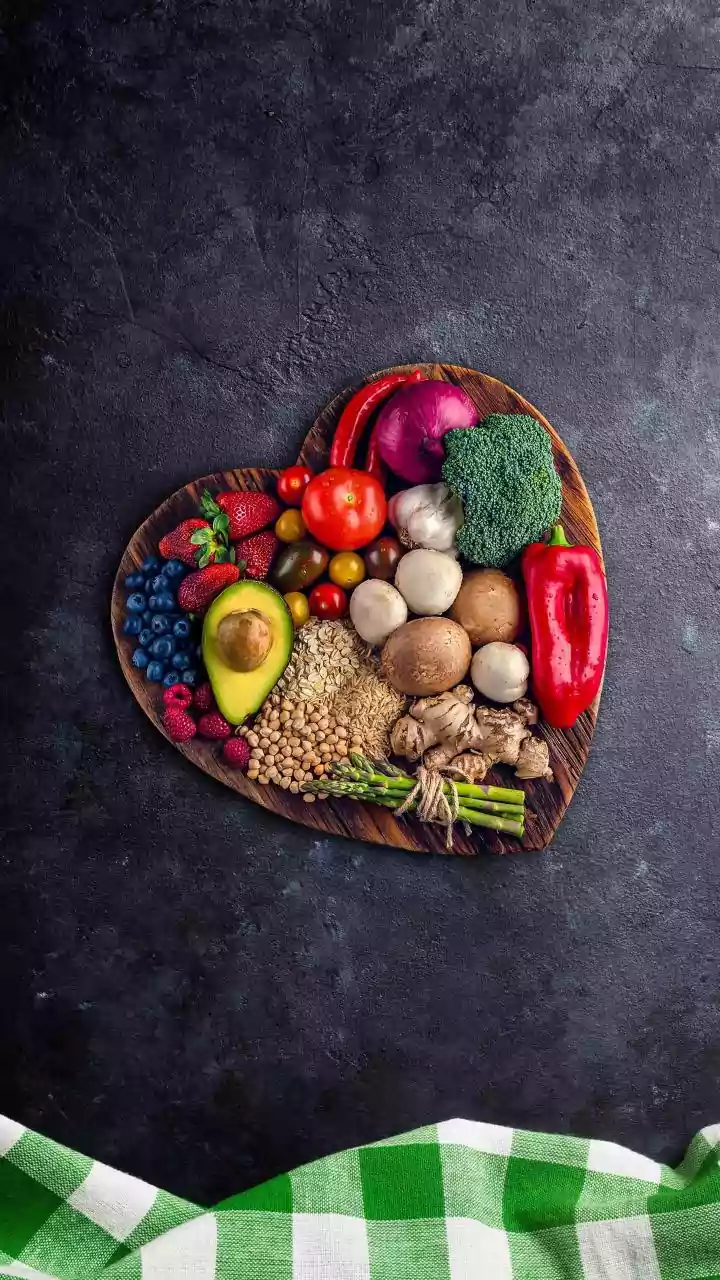
Instead of salt, use herbs, lemon, and spices to enhance the flavour of food. Maintaining healthy eating habits and opting for home-cooked meals can also help control and monitor salt consumption more effectively.
Salt should be consumed only in the quantity recommended by health experts. Avoid excessive intake and make conscious dietary choices. Reducing salt consumption is a simple yet powerful step towards protecting your heart health.