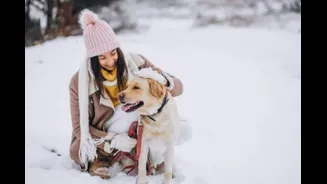

Winter travel with dogs is no longer a novelty for Indian pet parents. From snow-dusted hill stations to crisp countryside escapes, more families are choosing to include their dogs in year-end getaways.
But while packing tiny jackets and extra treats has become second nature, experts stress that preparing a dog for winter travel goes far beyond cold-weather gear.
According to Adnaan Khan, founder, K9 School, temperature is often misunderstood as the biggest concern. “The good news is that most dog breeds are naturally resilient to cold weather,” he explains. Even in Indian hill stations, winter conditions are far milder than the climates many popular breeds were originally bred for. Labradors, German Shepherds, Huskies, and Golden Retrievers, for instance, are physiologically equipped to handle lower temperatures with ease.
What truly challenges dogs during winter vacations, Khan notes, is change. New terrain, unfamiliar surroundings, disrupted routines, and unpredictable stimuli can overwhelm even confident dogs. Snowy patches, icy surfaces, gravel trails, and steep slopes may feel confusing or intimidating if a dog hasn’t encountered them before. “Gradual exposure, leash discipline, and calm leadership help dogs navigate these changes with confidence,” he says, emphasizing that structure matters more than excitement.
That structure becomes especially critical for dogs that are more vulnerable in cold or high-altitude environments. Short-haired breeds, small dogs, seniors, and brachycephalic (flat-faced) breeds like Pugs and French Bulldogs need extra care. Khan advises limiting outdoor exposure, ensuring adequate rest, and closely monitoring body temperature and breathing. For these dogs, winter travel should be slower, gentler, and carefully paced.
One preparation tool Khan strongly advocates is crate training. A crate offers dogs a familiar, secure space amid constant change whether during long road journeys, hotel stays, or sudden weather shifts. Crate-trained dogs tend to settle faster, experience less anxiety, and recover better after physical exertion. “It becomes their personal safe zone,” he explains, especially valuable when everything else feels new.
Equally important is avoiding common mistakes pet parents make in the excitement of travel. Over-clothing cold-tolerant breeds, pushing unconditioned dogs into long treks, or mistaking high excitement for readiness can all backfire. Conditioning, controlled exposure, and maintaining routines around meals, walks, and rest help ensure the trip builds confidence rather than stress.
While expert advice lays the groundwork, lived experience often shapes how pet parents approach winter travel. Vritika Elawadhi, a dog parent from Delhi NCR (Gurugram), admits that her vacation planning starts with her dog, not herself. “As a super protective pet mum, I double up on jackets, socks, and an extra pair of shoes so every chilly walk is covered,” she shares. Her bags are carefully stocked with familiar toys and favourite treats, ready to counter any signs of travel anxiety. “If she’s warm, fed, and busy playing, my heart can finally relax and enjoy the snow.”
Together, expert insight and personal experience point to the same truth: successful winter vacations with dogs are less about indulgence and more about intention. When pet parents focus on preparation, understand their dog’s limits, and provide consistency in unfamiliar settings, winter travel becomes deeply enriching. For dogs, it builds confidence and resilience; for humans, it strengthens trust and deepens the bond turning cold-weather escapes into shared adventures rather than stressful detours.