


US President Donald Trump has asserted that Iran is seeking the reopening of the Strait of Hormuz despite publicly signalling otherwise, claiming the country stands to lose significant daily revenue if the critical
maritime route remains shut.
His remarks came as shipping activity through the strategic waterway remained severely disrupted, and uncertainty persisted over the continuation of peace talks between Washington and Tehran.
LIVE Updates On The US-Iran War
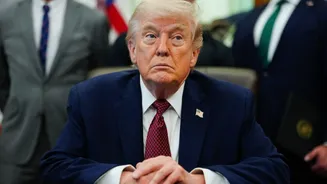
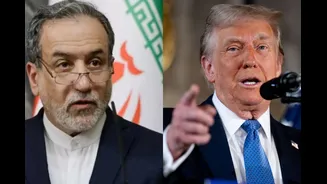
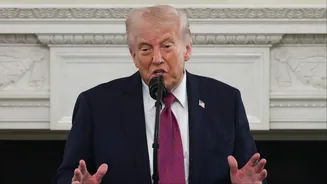
Posting on Truth Social, Trump said Iran’s public posture on the Strait of Hormuz was driven by political optics rather than economic interests.
“Iran doesn’t want the Strait of Hormuz closed, they want it open so they can make $500 Million Dollars a day (which is, therefore, what they are losing if it is closed!),” Trump wrote.
“They only say they want it closed because I have it totally BLOCKADED (CLOSED!), so they merely want to ‘save face.’”
Trump further claimed that intermediaries had approached him with messages indicating Tehran was willing to allow maritime movement through the key oil transit route.
“People approached me four days ago, saying, ‘Sir, Iran wants to open up the Strait, immediately,’” he said, adding that reopening the passage without broader concessions would undermine the possibility of a deal.
“But if we do that, there can never be a Deal with Iran, unless we blow up the rest of their Country, their leaders included!”
SHIPPING TRAFFIC THROUGH STRAIT REMAINS MINIMAL
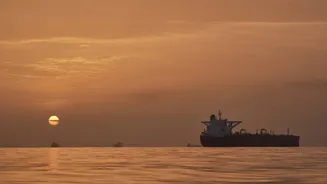
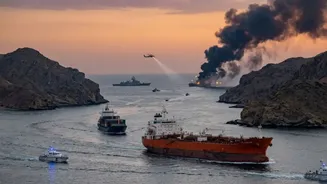
Reuters reported that commercial movement through the Strait of Hormuz remains far below normal levels, with ship-tracking data showing only three vessels transiting the waterway within a 24-hour period.
Before the conflict began on February 28, roughly 140 ships were passing through the strait daily, highlighting the scale of disruption to one of the world’s most critical energy corridors.
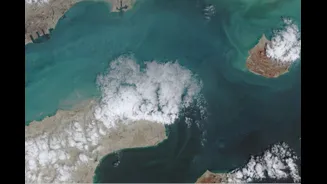
Among the vessels recorded crossing recently were the Ean Spir products tanker, the Lian Star cargo ship and the Meda liquefied petroleum gas tanker, according to MarineTraffic data and satellite analysis from analytics firm SynMax.
The limited number of transits reflects ongoing uncertainty linked to a US naval blockade of Iranian ports and countermeasures by Tehran.
Shipbroker BRS said even vessels appearing to meet transit conditions face operational risks due to overlapping restrictions imposed by both sides.
The firm estimated that dozens of tankers remain stranded inside the Gulf, many carrying large crude cargoes.
SEAFARERS STRANDED AMID SECURITY CONCERNS
According to Reuters, hundreds of vessels and around 20,000 seafarers remain stuck in the Gulf as security conditions continue to pose risks to navigation.
Arsenio Dominguez said safety concerns remain paramount following incidents in which ships were targeted shortly after Iran briefly declared the strait open last week.
“We cannot put at risk the lives of the seafarers,” Dominguez said, noting that vessels attempting passage faced uncertainty after renewed closure announcements.
CEASEFIRE EXTENDED AS TALKS REMAIN UNCERTAIN
Late on Wednesday, Trump said he would extend the ceasefire with Iran to allow diplomatic efforts to continue.
However, the extension appeared unilateral, with no immediate confirmation from Iran or Israel that they would continue to observe the truce.
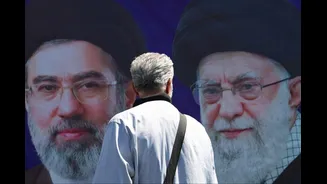
Iranian-linked commentary questioned Washington’s intentions, describing the move as a potential attempt to gain a strategic advantage while maintaining military pressure through the naval blockade.
The ceasefire had been set to expire shortly after Trump’s announcement, adding urgency to diplomatic efforts to secure a broader agreement.
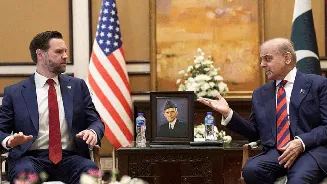
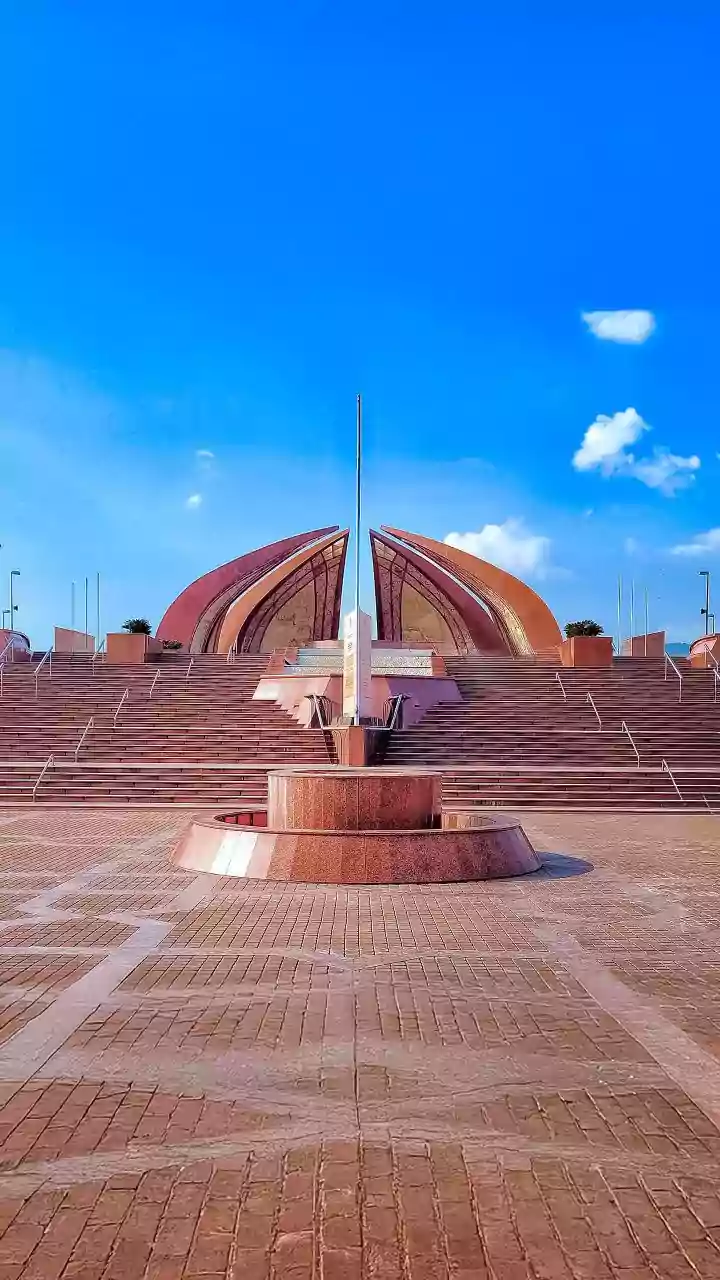
A second round of talks is expected to take place in Islamabad, though it remains unclear when negotiations will resume or whether all parties will participate.
The Strait of Hormuz remains central to negotiations, given its role as a vital conduit for global oil and liquefied natural gas supplies, and its closure continues to have implications for international energy markets and maritime security.
ALSO READ | JD Vance’s Islamabad Trip On Hold After Iran Fails To Respond To US Peace Talks