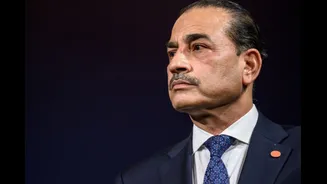







Pakistan’s latest attempt to mediate between Washington and Tehran appears to have hit a roadblock, with Iran reportedly refusing to offer fresh concessions on its nuclear programme during Field Marshal
Asim Munir’s latest visit to Tehran. The diplomatic setback comes amid continuing tensions following the US-Israeli war on Iran and efforts to prevent another escalation.
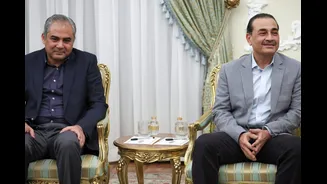
According to sources, Munir travelled to Tehran carrying a fresh message from the United States concerning Iran’s nuclear assets. The Pakistani military chief held high-level discussions with Iranian President Masoud Pezeshkian, Parliament Speaker Mohammad Bagher Ghalibaf and senior Iranian official Mohsen Rezaei, as Islamabad sought to facilitate dialogue between the two adversaries.
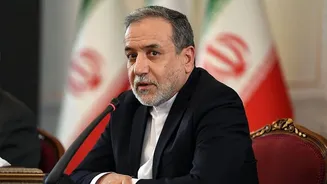
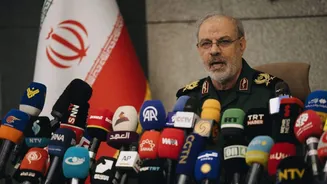
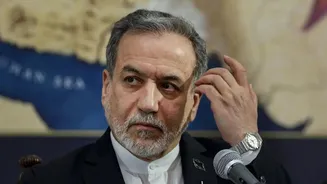
However, the reported response from Tehran suggested little appetite for changing its position. Ghalibaf, identified in the report as Iran’s chief negotiator, reportedly told Munir, “We have nothing new to say.” The remark points to a potential impasse in Pakistan’s mediation efforts, although it does not, by itself, establish that diplomatic channels have been closed.
The most consequential message concerned Iran’s stockpile of enriched nuclear material. Rezaei reportedly made Tehran’s position unequivocal, declaring that “not even the slightest amount” of enriched uranium would leave Iranian territory. The reported statement signals Iran’s resistance to a central potential point of contention in negotiations: what happens to its enriched nuclear material under any future agreement.
Tehran’s reported stance also reflects a wider trust deficit with Washington. According to sources, Iran is unwilling to make nuclear concessions unless the United States rebuilds trust and meets conditions set by the Iranian leadership. The precise terms of those conditions, and whether Washington has formally accepted any of them, remain unclear from the information available.
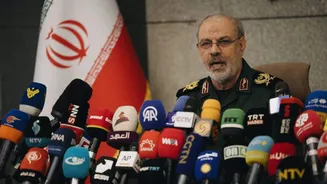
The developments took another turn after Munir’s departure, when a senior Qatari delegation reportedly arrived in Tehran. A top source linked to Iran’s Islamic Revolutionary Guard Corps (IRGC) claimed that the delegation left after approximately 30 minutes, without a breakthrough. If confirmed, the brief engagement would reinforce questions about whether regional mediation is making meaningful progress.
Qatar has previously played an important intermediary role in sensitive regional diplomacy, while Pakistan’s geographical proximity and ties with Iran give Islamabad a separate channel of engagement. Both countries could potentially help communicate positions and explore de-escalation, even when substantive negotiations remain stalled.