







For years, men’s wedding fashion in India was defined by excess, heavy embroidery, maximal layers, and silhouettes that often overwhelmed the wearer. Today, that narrative is shifting. The modern groom
is choosing intention over opulence, embracing refined luxury that honours tradition while speaking to a more contemporary, personal sense of style.
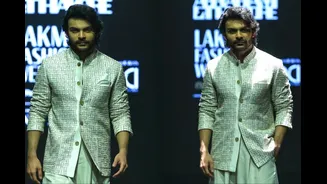
At the centre of this evolution is the bandhgala. Once worn by India’s maharajas as a symbol of authority and elegance, the silhouette is experiencing a renaissance. Gaurang Batra of Frontier Raas notes that the bandhgala has been reimagined with opulent textures and modern tailoring, allowing it to move seamlessly between heritage and modernity. “Rich velvets add a regal sheen, while intricate embroidery nods to the garment’s storied past,” he explains, pointing to tailored jackets and velvet stoles that offer versatile layering across multi-day celebrations.
This renewed focus on craftsmanship and restraint reflects a broader shift in how grooms approach wedding dressing. Rajdeep Ranawat believes men’s wedding wear today is defined by refined luxury rooted in tradition. Bandhagalas, velvet jackets, and stoles are no longer just ceremonial pieces, they are statement garments shaped by sharp tailoring, rich textures, and thoughtful detailing. According to Ranawat, luxurious velvets and silks paired with subtle hand embellishments create depth while preserving a timeless, elegant silhouette.
Colour palettes, too, are evolving. Instead of overly festive hues, grooms are gravitating towards heritage tones that feel enduring. Ivories, deep blacks, jewel tones, and antique neutrals dominate this new aesthetic, offering celebration without excess. “Wedding dressing is no longer about more,” Ranawat adds. “It’s about intention, where every layer reflects personal style and cultural gravitas.”
What makes this shift particularly compelling is its versatility. Vrinda Sachdev and Gurinder Singh of Qbik observe that today’s grooms want outfits that move effortlessly across wedding functions and live on beyond the ceremony itself. Bandhagalas with sharper cuts and richer textures are being styled with velvet stoles and jackets to add depth without heaviness. Subtle surface details unique buttons, tonal embroidery, or muted metallic accents enhance the look while keeping it wearable and modern.
Layering has emerged as a key expression of individuality. Sachdev and Singh note that grooms are increasingly mindful of how outfits photograph, feel personal, and stand out across multiple celebrations. The goal is confident dressing that balances tradition with modern expression, pieces that feel special on the wedding day but relevant long after.
This evolution mirrors a global appreciation for quiet luxury. As Batra points out, international luxury houses such as Canali and Zegna have incorporated the bandhgala’s structured, high-necked form into their collections, reinforcing its timeless appeal. The result is a menswear movement that whispers opulence rather than announcing it.
As Indian weddings continue to evolve, men’s fashion is finally stepping into its own—defined not by flamboyance, but by craftsmanship, heritage, and thoughtful design. In this new era, wedding wear is not just about marking a moment; it’s about creating pieces that endure, both in memory and in wardrobe.