







The Mumbai Metropolitan Region Development Authority (MMRDA) has moved significantly closer to completing the ambitious Airoli-Katai Naka corridor, a major infrastructure project expected to transform
travel across the Mumbai Metropolitan Region (MMR).
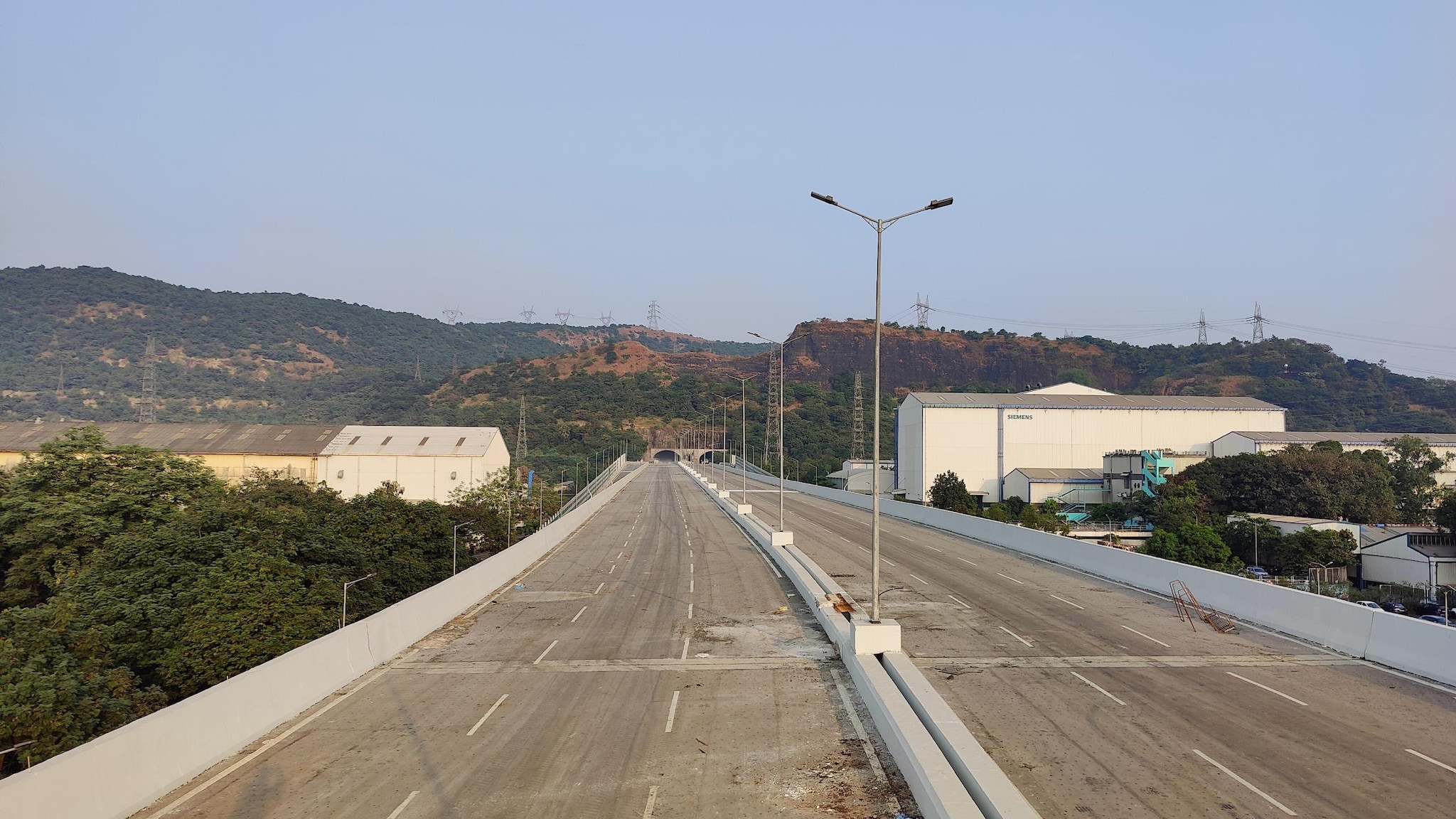
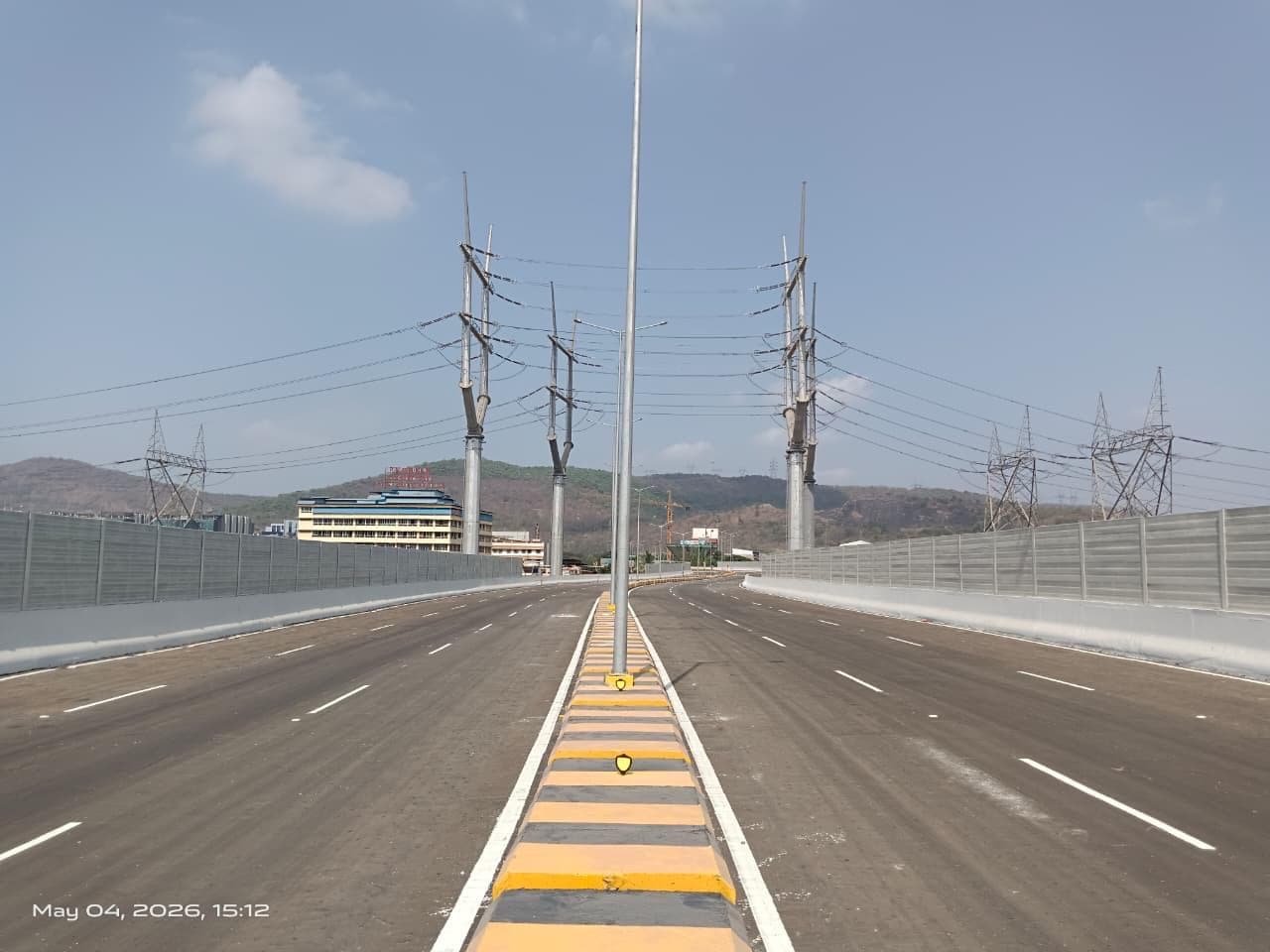
The nearly 13-kilometre-long high-speed corridor is being developed in three phases and aims to provide seamless connectivity between Airoli, Mumbra and Katai Naka. Once operational, the project is expected to reduce traffic congestion on several heavily burdened roads while improving connectivity between Navi Mumbai, Thane, Kalyan-Dombivli and Badlapur.
Phase II Completed, Tunnel Work Nears Final Stage
According to MMRDA officials, Phase II of the corridor has now been fully completed, while Phase I, which includes the project’s crucial tunnel section, has entered its final stage of execution. Authorities said both Phase I and Phase II are expected to be opened for traffic later this year. Meanwhile, construction work under Phase III, which will extend the corridor further towards Katai Naka, is currently underway and is targeted for completion by October 2028.
Officials believe the new corridor will substantially reduce traffic pressure on some of the region’s busiest stretches, including Shil Phata, Kalyan Phata, Mahape Road and the Thane-Belapur corridor.
The project is also expected to shorten the travel distance between Mulund and Katai Naka by nearly 7 to 8 kilometres, helping commuters save considerable travel time.
Corridor Key To ‘Mumbai 3.0’ Vision
CM Devendra Fadnavis described the project as a strategic investment aimed at strengthening Maharashtra’s future infrastructure network. He said the corridor would improve regional mobility, stimulate economic activity and support the government’s broader ‘Mumbai 3.0’ vision focused on developing new growth corridors beyond the core city.
Eknath Shinde, who also serves as Chairman of MMRDA, said the project would provide major relief to commuters travelling between Thane and Navi Mumbai. According to him, the corridor is expected to reduce travel time by nearly 35 to 40 minutes, significantly improving daily commuting conditions for lakhs of residents.
He added that better roads and faster travel would directly enhance the quality of life for citizens across the expanding metropolitan region.
Advanced Twin Tunnel To Be Key Highlight Of Project
One of the major engineering highlights of the corridor is the 1.69-kilometre twin tunnel connecting Airoli with NH-04 near Mumbra.
The tunnel has been constructed using the New Austrian Tunnelling Method (NATM), an advanced tunnelling technology widely used for complex underground infrastructure projects.
Smart Safety Systems Installed Inside Tunnel Section
Officials said the tunnel has been equipped with modern operational and safety infrastructure, including intelligent lighting systems, advanced ventilation facilities, firefighting mechanisms and high-pressure water mist systems designed to improve commuter safety.
Authorities believe these systems will help ensure smooth and secure traffic movement once the corridor becomes operational. MMRDA officials said the Airoli-Katai Naka corridor is expected to emerge as a critical transport spine for the rapidly growing metropolitan region.
Apart from improving passenger movement, the corridor is also likely to support commercial logistics and freight transportation by providing faster intercity connectivity. Officials added that the project would play an important role in bringing the government’s larger ‘Mumbai in Minutes’ mobility vision closer to reality.