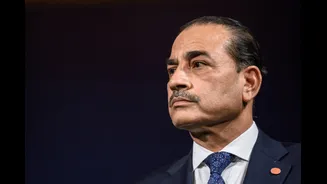








Pakistan’s worsening security situation in Balochistan has reportedly pushed Army chief Field Marshal Asim Munir to seek greater cooperation from Iran against the Baloch Liberation Army (BLA) and other
separatist groups operating in the region.
According to top security sources, the BLA threat and alleged cross-border movement of militants figured prominently in Munir’s recent discussions with Iranian leaders and military officials. Pakistani officials are understood to have raised concerns that BLA networks and camps are operating in areas along the Pakistan-Iran border and that fighters can move across the frontier following attacks inside Balochistan.
The reported appeal comes against the backdrop of a sharp escalation in separatist violence. Balochistan recorded hundreds of violent incidents in 2025, with the European Union Agency for Asylum citing data showing 386 incidents and 956 fatalities in the province during the year. Separate Pakistan Institute for Peace Studies data recorded 225 attacks by Baloch insurgent groups in 2025.
The violence has also become more coordinated and ambitious. In January 2026, a wave of near-simultaneous attacks struck multiple locations across Balochistan, including security installations and civilian infrastructure. Pakistan said 48 people, including 17 security personnel, were killed, while the military launched a major counteroffensive.
The BLA has continued to demonstrate its ability to strike high-profile targets. In May, the group claimed responsibility for a deadly attack on a train in Quetta, underlining the insurgency’s ability to disrupt transport and target security-linked infrastructure.
For Islamabad, Iran presents a particularly important security partner because Balochista shares a long and porous border with Iran’s Sistan-Baluchestan province. The border has historically been a source of mutual concern, with both countries accusing militant groups of using territory on the other side. In January 2024, the two sides even exchanged missile strikes targeting alleged militant positions before quickly restoring diplomatic ties. Since then, Pakistan and Iran have sought closer border-security cooperation, including patrols and intelligence sharing.
Against this backdrop, Pakistani officials are reportedly seeking a more coordinated approach to tackling BLA networks, including intelligence cooperation and action against alleged militant infrastructure.
However, any such arrangement would be sensitive for Tehran. Iran itself faces a Baloch insurgency in Sistan-Baluchestan and has its own concerns about armed groups operating along the frontier. The challenge for Islamabad is therefore not simply to secure Iranian cooperation, but to persuade Tehran that intensified action against BLA networks serves Iran’s own border-security interests.