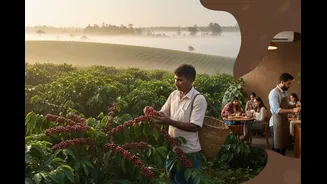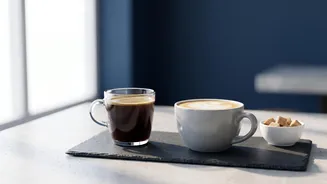



Not too long ago, asking for coffee at a small-town Indian bakery got you hot milk, a sachet of instant powder and a spoon. But that has changed, and fast. Last week, Third Wave Coffee launched its 250th
café in Hazratganj, Lucknow. The Bengaluru-based brand reported annual revenue of Rs 550 crore for the year ended March 2026. A coffee chain is now a serious business in a country that once took its tea very seriously.
International Coffee Day falls on 1 October, which makes it a good excuse to see how we got here and where to drink next.
Indian Coffee House, College Street, Kolkata
Climb the staircase and the noise reaches you first. The café sits opposite Presidency University and has long been a meeting place for students and intellectuals, and it began as a coffee joint the Coffee Board opened in Albert Hall in 1942. Tagore and Netaji Subhas Chandra Bose are said to have been regulars, and literary magazines and political movements grew out of the adda here. Order a coffee, take a table and stay until the argument at the next one gets interesting.
Indian Coffee House, Pondicherry
The chain has over 400 outlets, but the Pondicherry branch has a literary claim: Yann Martel began Life of Pi here, and the building was redone in a Franco-Tamilian style in 2014. Go for the coffee and the cheap, no-fuss menu, and bring a notebook.
Brahmin’s Coffee Bar, Bengaluru
There is nowhere to sit, and nobody minds. Narasimha Rao started it in the 1960s, and it is famed for its coffee and South Indian treats, with a menu that has barely changed in decades: idli, vada, kara bath and kesari bath, and a chutney everyone talks about. Stand at the counter, eat fast and drink your filter coffee hot.
Pour Over Coffee Roasters, Delhi
The pitch is coffee in the morning and cocktails at night, and it delivers on both. The chain has three outlets, and each runs a different format: a bar, a café and a corporate kiosk. The Khan Market outlet is the one to visit. Try the Australian, the strawberry mocha or a cold brew. There is a short breakfast menu built to go with caffeine (and there’s a mean cocktail menu too if you’d like to stay till late).
Koshy’s, Bengaluru
Koshy’s is where the city goes to slow down. It was established in 1940 and is known for its wooden interiors and a menu of Indian and continental dishes. Come for a long afternoon, order a coffee and let the waiter decide how fast the day moves.
dailyo
Depaul’s, Janpath, Delhi
Depaul’s opened on Janpath in 1969 and bet early that milk-based cold coffee would catch on. Order it in the trademark long, thin bottle. It has been a first-date spot, an office-slump spot and a shopping-break spot for more than five decades. The classic cold coffee is the one to have, or try the Irish Cream if you want the modern version. Get momos on the side. There are now sugar-free and almond milk versions too.
Araku, Bengaluru
The flagship has two floors, an in-house roastery, a Modbar and a bookstore. The best seat is at the Sensory Bar, where baristas brew one coffee four ways side by side: French press, V60, AeroPress and Moka pot. Same beans, four different cups. It works better as a lesson than a menu. If you want something sweeter, order the Biscoff Snowball.
Beanlore Coffee Roasters, Bengaluru
Beanlore is a Studio Camarada design, and the interiors are the reason to make the drive. The menu is good enough to keep you there for a few more hours. Order the Cereal Latte, which tastes like breakfast in a cup.
Kopitiam Lah, Bengaluru
The name means “coffee shop” in Malay, and the space follows the idea. It is a 72-seater on 12th Main Road, designed by George Seemon and Tony Joseph of Stapati, and modelled on traditional Malay kopitiams. Skip the usual latte and order the rose milk. You may not make it to the Corner House DBC next door.
Libertario, Delhi
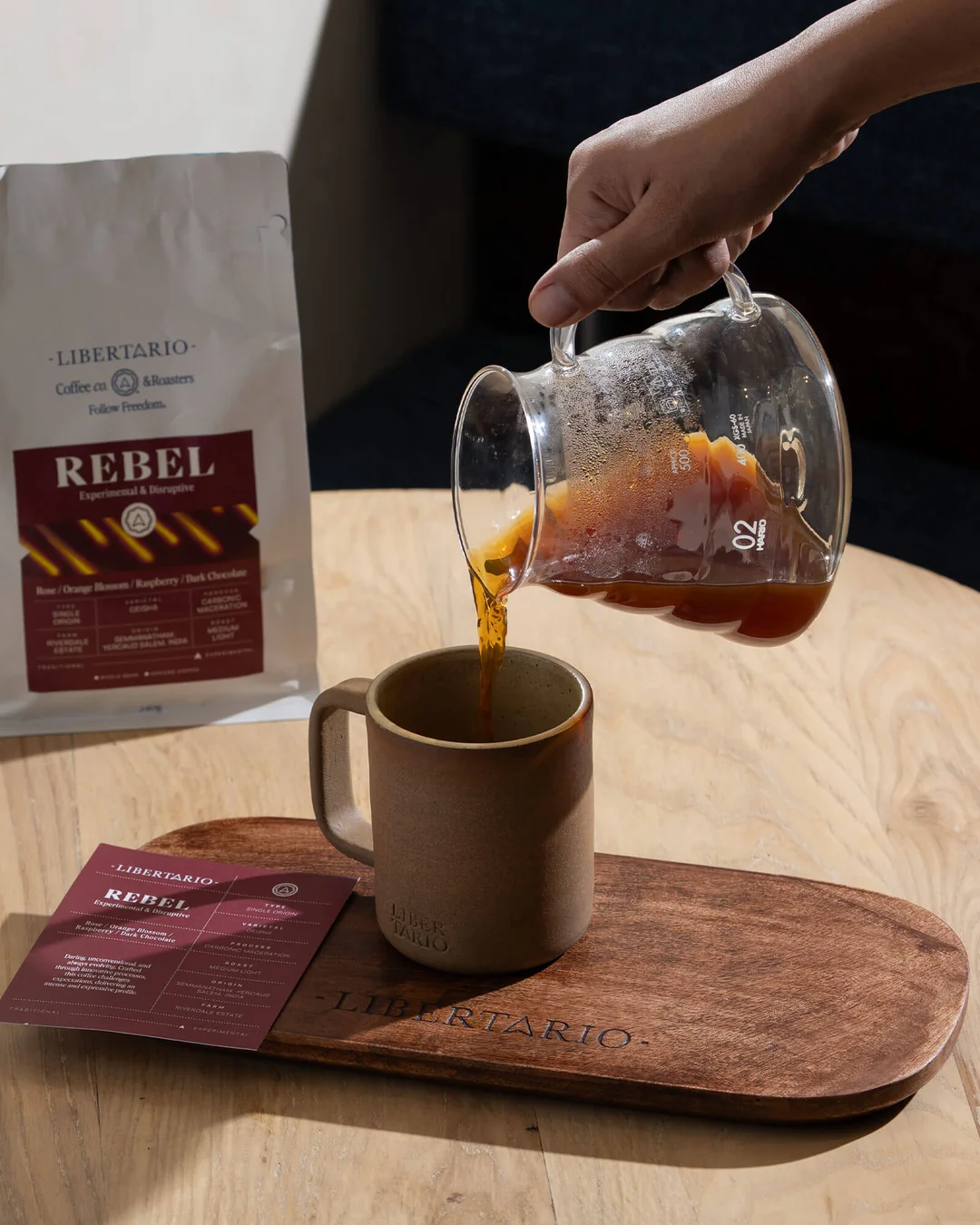
Libertario brings a Colombian specialty coffee brand to India, introduced by Miguel Villaquiran. You can spot it from its dark blue-tiled exterior. The flagship blends have names that tell you what to expect: Paz is caramel and chocolate, and Libre is fruit-forward. A rotating Rock/Specials range features rare varietals like Geisha and Bourbon Sidra. Indian estate coffee is excellent, but it is fun to taste something from somewhere else.
Subko, Mumbai
Subko is the café for people who care about pastry as much as the pour. The roaster sources from Karnataka, Tamil Nadu, Andhra Pradesh and Meghalaya, plus Nepal and Sri Lanka, and its food menu has made it a destination for eaters as much as coffee drinkers. If it is on the menu, try the Ratnagiri Estate coffee fermented for 30 hours, with an almond croissant.
KC Roasters, Mumbai
Small room, big following. KC Roasters has built a cult following among people who take their brewing seriously, and its coffeeshop in Bandra is tiny, so go early and expect to stand with your cup. They also boast of having India’s first siphon bar.

MAAI, Goa
This café and eatery sits inside a 123-year-old Portuguese villa. You can sit in the mansion or outside under the stars. Warm yellow lights, black-and-white photographs of Goa and rustic decor set the mood. The menu leans on Goan and Portuguese-inspired dishes, and the coffee is made from beans roasted in-house.
Elgin Cafe, Amritsar
Elgin is a bistro by day and a restaurant and wine bar by night. Studio Renesa designed it around green: emerald granite from Udaipur on the walls and tabletops, with gold fittings, tan leather seats, wicker chairs and a lot of plants. It feels like eating in a garden. Order from the multi-cuisine small plates and the cocktails.
Draavin Canteen
Draavin Canteen, formerly Dakshin Canteen, opened in 2025 and is a small place with a big South Indian menu. The list looks tight but runs long, and it is well judged. Most people have heard of it through the filter coffee softie, which has been doing the rounds online. The regulars go back for other things: the mutton stew, the Andhra chicken and the flaky parottas. The drinks hold up too. The mocktails are good, but it’s the filter kaapi that steals the show, and you should end your meal with it.