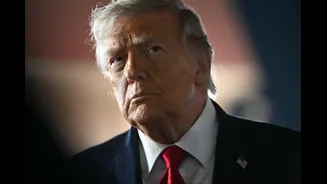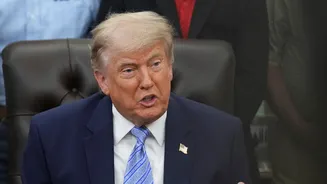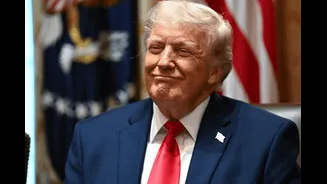




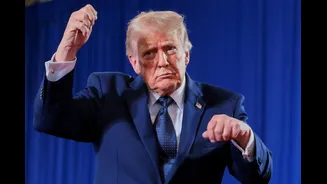


US President Donald Trump has announced a deal with Iran to end the war, reopen the Strait of Hormuz and lift the US naval blockade. The memorandum of understanding is expected to be signed in Switzerland
on Friday, but its full terms have not been released.
While the framework provides for an end to military operations, the most difficult questions — Iran’s nuclear programme, sanctions relief, frozen funds and the future of fighting in Lebanon — have been deferred to further negotiations.
“The Deal with the Islamic Republic of Iran is now complete,” Trump wrote on Truth Social on Sunday. Iran, however, has said it will not begin implementing the agreement until it is formally signed.
A US official also told CNN that the blockade would be lifted only after Friday’s signing, despite Trump initially announcing its “immediate removal”.
What Has Been Agreed?
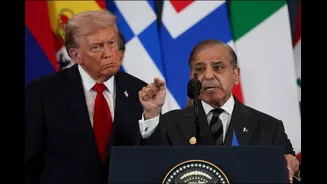
Pakistan, which has served as a mediator, said the agreement provides for an immediate and permanent halt to military operations.
“Both sides have declared the immediate and permanent termination of military operations on all fronts, including in Lebanon,” Pakistani Prime Minister Shehbaz Sharif said.
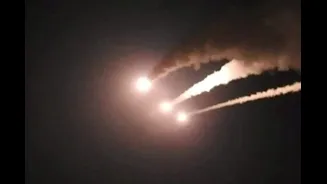
Iran’s Supreme National Security Council also said military operations, including those in Lebanon, would end permanently from Monday night.
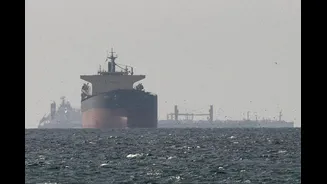
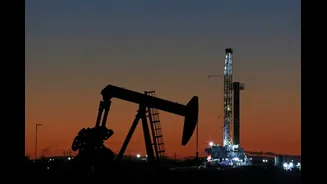
The framework is expected to reopen the Strait of Hormuz, which Iran had effectively shut for months, disrupting global shipments of oil, gas and related products such as fertiliser. The US had responded by blockading Iranian ports.
The announcement brought immediate relief to markets. Brent crude futures fell around 4% in early trading on Monday, while US West Texas Intermediate dropped more than 4.6%. Asian stock markets also rose.
But the initial pact largely deals with the immediate conflict. Broader negotiations on the issues at the heart of the war are expected to continue during a 60-day ceasefire period.
What Will Happen To Iran’s Nuclear Programme?
The current agreement does not settle the central issue behind the conflict: whether Iran will dismantle its nuclear programme and what will happen to its stockpile of highly enriched uranium.
According to the International Atomic Energy Agency, Iran has 440.9 kilograms of uranium enriched to 60% purity. Weapons-grade uranium is enriched to around 90%, meaning Iran’s existing stockpile could be further enriched to that level in a relatively short technical process.
Tehran insists that its nuclear programme is peaceful. However, it has not publicly agreed to give up the enriched uranium believed to be stored beneath three nuclear sites damaged in US strikes.
The US and Iran are also offering different versions of what the final settlement would require.
A US official told Reuters that the broader agreement would eventually dismantle Iran’s nuclear programme and require its highly enriched uranium to be destroyed and removed from the country.
Vice President JD Vance said the agreement had the potential to “fundamentally transform the Middle East for the next 50 years” if Iran complied. He said it would ensure that Tehran “will never have a nuclear weapon”, including by preventing it from “pursuing, procuring or trying to buy one”.
A senior Iranian official, however, said Tehran would be allowed to dilute the uranium inside Iran. Russia has also offered to take the stockpile, while Trump has previously said it should be destroyed.
This leaves several questions unanswered. Will Iran surrender its enriched uranium or be allowed to keep it in diluted form? Will enrichment continue inside the country? And what inspection system will be put in place to verify Iran’s compliance?
These issues are expected to be negotiated during the proposed 60-day talks. Britain, Germany, France and Italy have said sanctions relief should depend on “clear, verifiable steps” to restrict Iran’s nuclear programme.
Any nuclear agreement could also face resistance in Washington. Republican Senator Lindsey Graham has said it would have to be submitted to Congress for review and a vote.
Speaking to Fox News, Vance also said the Trump administration was still deciding who would attend Friday’s signing ceremony in Geneva. “I certainly plan to be there, but it’s possible the president himself could be there,” he said.
A 60-Day Window For Further Talks
The memorandum is expected to open a 60-day negotiating period covering Iran’s nuclear programme, sanctions and other outstanding disputes.
Two senior Pakistani officials told the Associated Press that the period could be extended if the sides failed to reach a settlement within that time.
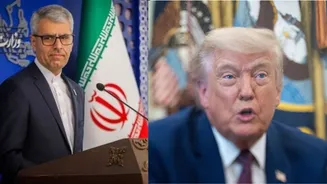
Iranian Deputy Foreign Minister Kazem Gharibabadi also said a more expansive agreement would be negotiated during the ceasefire.
The current framework, therefore, appears to be a bridge to a wider deal rather than a comprehensive settlement. It is also unclear what would constitute a violation, who would monitor compliance or what action would follow if fighting resumed.
US And Iran Disagree Over Frozen Funds
The release of Iranian assets frozen abroad has already emerged as a major point of disagreement.
A senior Iranian official told Reuters before the announcement that the draft required the US to release $25 billion in frozen Iranian funds.
Gharibabadi later said the next phase of negotiations would depend on Washington first fulfilling several obligations, including the release of those funds.
The US has rejected that claim.
“This is completely not true. This is a pay for performance deal and no frozen funds will be released without the Iranians implementing their commitments,” a US official told CNN.
The disagreement is not simply over whether funds will be released, but over the sequence of implementation. Iran appears to expect financial relief before the next stage of talks, while Washington says money will be released only after Tehran fulfils its commitments.
Unless this sequencing dispute is settled, it could delay the wider negotiations expected to begin after Friday’s signing.
How Much Sanctions Relief Will Iran Receive?
The scope and timing of sanctions relief also remain unclear.
The US had previously indicated that it could ease restrictions to allow Iran to sell more oil and support its damaged economy. However, no detailed schedule has been announced.
It is not known which sanctions would be lifted, whether the relief would be temporary or permanent, or how closely it would be tied to Iran’s nuclear commitments.
What Happens To Iran’s Missiles And Regional Allies?
The framework does not appear to address Iran’s ballistic missile programme or its support for armed groups in the region, including Hezbollah.
These were among the concerns cited by the US and Israel when the war began. Despite months of fighting, Iran still retains its missile programme, its links with regional armed groups and its enriched uranium stockpile.
A halt to military operations in Lebanon may end the immediate fighting between Israel and Hezbollah, but it does not decide Hezbollah’s military future or Iran’s relationship with the group.
It is also unclear whether missile limits and support for armed groups will form part of the later technical negotiations.
Israel’s Position Remains Unclear
Israel was not part of the US-Iran negotiations and has previously insisted that it will retain freedom of operation in Lebanon.
That position could clash with the agreement’s call for a permanent end to military operations on all fronts, including Lebanon.
An Israeli strike on Lebanon shortly before the agreement was announced also highlighted the risk that renewed fighting involving Israel and Hezbollah could disrupt the wider deal.
Trump reportedly updated Israeli Prime Minister Benjamin Netanyahu on the talks during a phone call on Sunday. In an interview with The New York Times, Trump called Netanyahu “a very difficult guy” and said the Israeli leader should thank him for saving Israel from a nuclear-armed Iran.
Without Israeli acceptance or a clear mechanism to prevent further strikes, the Lebanon component of the agreement may remain especially fragile.