




Something has quietly changed in the way India eats. The conversation around food is no longer just about taste, price, or convenience, it’s about what’s real. Shoppers are reading labels, questioning
sourcing, and looking for foods that feel closer to nature. Clean nutrition, once confined to wellness circles, is now shaping everyday choices, from breakfast staples to office pantry supplies.
For Amit Anand, Managing Director, Apis India Ltd., this shift reflects a more conscious, informed consumer. He points out that buyers today are deeply invested in purity and processing practices. “In categories like honey, people are increasingly aware of authenticity, while dates are being chosen for their natural energy and clean snacking appeal,” he notes. This growing awareness is influencing both household and institutional buying decisions and for brands built on transparent sourcing, it marks a moment of alignment between values and demand.
But this change isn’t driven by trend alone; it’s rooted in urgency. India is facing an unprecedented rise in lifestyle-related conditions, and food quality is under the spotlight. According to Twincy Ann Sunil, Dietitian and Nutritionist, Apollo Spectra, Bangalore (Koramangala), the issue lies not just in overeating, but in what we are eating. Diets overloaded with refined flours, sugars, trans fats, preservatives, and artificial additives are quietly disrupting metabolic health, leading to inflammation, insulin resistance, and nutrient deficiencies even when calorie intake seems sufficient.
Clean nutrition offers a course correction. By prioritising foods in their natural or minimally processed form, it supports gut health, immunity, mental wellbeing, and long-term disease prevention. Sunil also highlights an often-overlooked benefit: clean eating tends to be more environmentally sustainable, reinforcing the connection between personal health and planetary health.
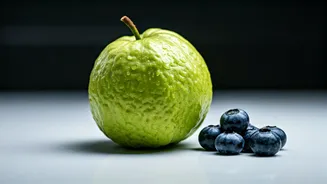
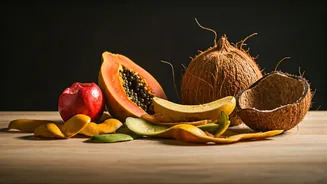
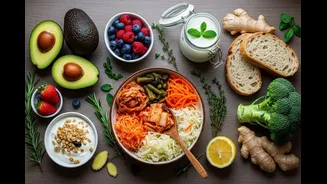
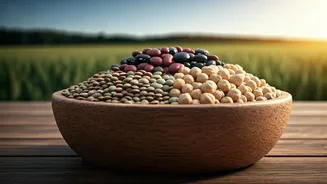
In practical terms, this means revisiting the ingredients we cook with every day. Whole grains such as brown rice, red rice, and millets like ragi, jowar, and bajra bring back fibre and micronutrients lost to excessive processing. Healthier fats, cold-pressed oils, nuts, seeds, and avocados replace refined alternatives, while seasonal vegetables, leafy greens, and colourful fruits restore diversity to the plate. Traditional fermented foods like curd, buttermilk, idli, dosa, and kanji make a quiet comeback, strengthening gut health in ways modern diets often neglect.
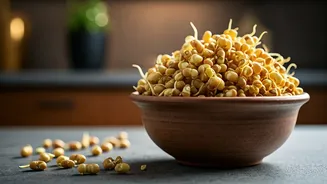
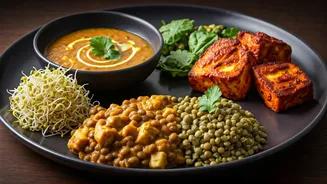
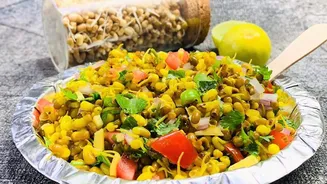
Protein, too, is being redefined. Dals, sprouts, soy, paneer in moderation, eggs, fish, lean meats, and nuts offer clean, natural nourishment especially when chosen fresh over packaged or processed forms. For Sunil, the simplest rule is often the most powerful: choose foods with clean labels, short ingredient lists, and no artificial colours, flavours, or preservatives.
This renewed focus is forcing India to question its everyday staples. Polished white rice, maida, sugar, and refined oils have long dominated daily meals, crowding out traditional grains, fermented foods, and balanced macronutrients. Add urban time pressures and the rise of ready-to-eat foods, and the result is a diet heavy on refined carbohydrates and light on fibre and protein.
Clean nutrition, then, is not about restriction, it’s about return. A return to whole grains, seasonal eating, traditional cooking methods, and informed choices. As consumers rethink what belongs on their plate, clean eating is emerging not as a fleeting food philosophy, but as a necessary reset, one that aligns health, heritage, and honesty in every bite.