





The US Embassy in Iran has issued an urgent security alert advising American citizens to “leave Iran now,” citing expanding communications blackouts, transport disruptions and mounting risks of questioning
or detention as regional tensions spike ahead of renewed diplomatic talks.
In the advisory, the embassy warned that “increased security measures, road closures, public transportation disruptions, and internet blockages are ongoing,” adding that Iranian authorities continue to restrict access to mobile, landline and national internet networks.
Airlines, it said, are also limiting or cancelling flights.
“US citizens should expect continued internet outages, plan alternative means of communication, and, if safe to do so, consider departing Iran by land to Armenia or Türkiye,” the alert stated.
Americans were urged to prepare departure plans that do not rely on US government assistance, noting, “Flight cancellations and disruptions are possible with little warning.”
Those unable to leave were advised to shelter in secure locations, maintain supplies of food, water and medications, avoid demonstrations, keep a low profile and remain alert to changing conditions.
The embassy also encouraged enrollment in the Smart Traveler Enrollment Program to receive updates.
The warning highlighted particular dangers for US-Iranian dual nationals, stressing that Tehran does not recognise dual citizenship and treats such travellers solely as Iranian citizens.
“US nationals are at significant risk of questioning, arrest, and detention in Iran,” it said, adding that even showing a US passport or ties to the United States can be reason enough for Iranian authorities to detain someone.”
As of Thursday, February 5, the Armenian land crossing at Agarak/Norduz and several Turkish crossings, Gürbulak/Bazargan, Kapıköy/Razi and Esendere/Serow, remained open, according to the alert.
US citizens entering Armenia may stay up to 180 days visa-free, while those crossing into Türkiye may remain for 90 days.
Borders with Turkmenistan are open but require special authorisation coordinated by the US Embassy in Ashgabat, while land crossings into Azerbaijan are largely closed and subject to case-by-case approval.
Americans were cautioned not to attempt travel through Afghanistan, Iraq or the Pakistan-Iran border area.
The advisory noted that Washington has no diplomatic or consular relations with Tehran and that the Swiss government, through its embassy in Tehran, acts as the protecting power for US interests.
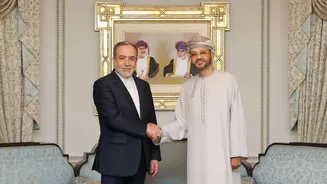
The alert comes as the nuclear talks between Iran and the United States are expected Friday in Oman.
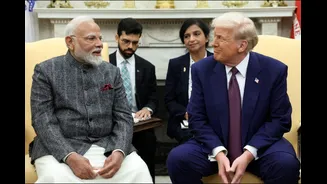
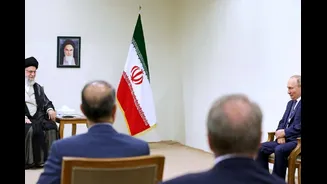
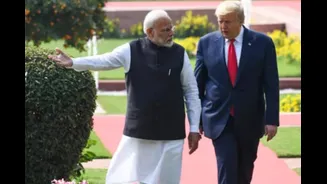
Iranian Foreign Minister Abbas Araghchi announced the negotiations, while US President Donald Trump issued a sharp warning aimed at Supreme Leader Ayatollah Ali Khamenei, saying in an NBC News interview, “I would say he should be very worried.”
Washington remains sceptical about the prospects for success even as regional allies encouraged engagement, the Associated Press reported.
US Secretary of State Marco Rubio said the United States hopes to broaden discussions beyond the nuclear issue, while Vice President JD Vance reiterated that Iran must not be allowed to develop a nuclear weapon.