





Every evening, when most homes in Peruvaje village of Dakshina Kannada district in Karnataka began winding down, a group of young men would quietly gather at an empty plot. From 7 pm to 11 pm, under temporary
lights, they mixed cement, lifted bricks, and measured walls. This routine continued night after night, from December 10 to January 7.
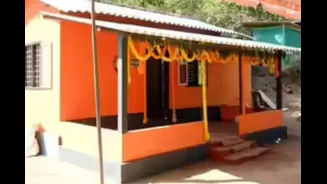
They were not paid. They were not building for themselves. They were building a home for a woman and her two children who had spent years living under a tarpaulin. That effort has now given the family a permanent roof over their heads.
A family living under plastic sheets
The beneficiary of this effort is Honnamma, a daily wage worker from the Scheduled Caste community, who had been living with her two young children in the village under a makeshift tarpaulin shelter for nearly five years.
With no proper house, no electricity connection, and no access to ration benefits, the family lived in extremely vulnerable conditions, exposed to rain, heat, and uncertainty. For years, neighbours watched her struggle quietly, doing odd jobs to survive while trying to raise her children in dignity.
Turning an anniversary into action
The decision to help came from the Mukkuru Nesara Yuvaka Mandala, a local youth organisation in Peruvaje. As the group approached its 10th anniversary, members decided they did not want to mark the occasion with celebrations or ceremonies.
Instead, they chose to do something that would leave a lasting impact. Building a house for a homeless family became that goal.
Building a house with shramadana
Construction of the house, later named Nesara Nilaya, was carried out entirely through voluntary labour. Members of the youth group worked after finishing their day jobs, dedicating four hours every night to the project.
No professional labour was hired. The entire house was built through physical labour of the youth, with community members contributing time, effort, and materials.
The total cost of the house was around Rs 2 lakh, raised through donations and local support. Villagers helped by supplying construction materials and providing food and refreshments to the volunteers working late into the night.
A new beginning in 27 days
In just 27 days, the structure was completed. What had once been an exposed patch of land became a solid home with walls, a roof, and a sense of security. For Honnamma and her children, the move marked a dramatic shift from survival to stability.
She expressed deep gratitude to the youth group, saying she finally felt safe and hopeful about her children’s future.
More than one house
The Mukkuru Nesara Yuvaka Mandala has been active in social service for over a decade and has carried out more than 60 community initiatives so far. Members say this project reflects their belief that real celebration lies in improving someone’s life, not in banners or events.
In Peruvaje, the house now stands not just as shelter for one family, but as proof of what collective effort and quiet determination can achieve — four hours at a time, after dark, for someone who needed it most.