







Imagine not being able to tell you’re injured, even badly so, or being unable to feel a very hot cup of coffee burn your mouth. We bet you won’t be too pleased about it. People who suffer from a very rare
condition called Congenital Insensitivity to Pain do not feel any pain whatsoever. And it’s no cakewalk.
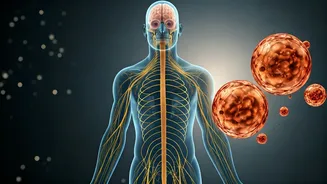
People who have this rare condition are able to get a faint sense of touch and pressure but nothing else is registered by their brain which tells them that this is painful. Consequently, they are unable to feel even the worst physical injuries.
No pain can mean no discomfort, no suffering, and no fear of injury in the usual sense. But pain exists for a reason. It’s the body’s early warning system. It tells you when something is wrong and pushes you to react, pull your hand away from heat, rest an injured limb, or seek help when something feels off.
Without that signal, the body has no way of flagging danger in time.
For people with this condition, everyday life can become risky in ways most of us don’t think about. Children may bite their tongues or fingers without realising it. Small injuries can worsen because they go untreated. Even something as serious as a broken bone might not be noticed immediately.
In addition, there is a high possibility of the development of more serious health complications in the long term due to lack of pain sensation. Any wounds will not be detected promptly, minor injuries will be ignored, and further harm will be done without anyone noticing it.
Additionally, the majority of individuals suffering from congenital insensitivity to pain also experience difficulties in perceiving temperature. It implies that they might not be able to understand whether a particular object is excessively warm or cool before they get burned or frozen by it.
Therefore, these patients require close supervision, particularly when they are still kids. Families and caregivers have to stay alert, checking for cuts, burns, or injuries that would normally be obvious.
Even with that level of care, the condition can still affect life expectancy in some cases, simply because problems aren’t caught early enough.
On the surface, not feeling pain sounds like a superpower. But in reality, pain is one of the body’s most important warning systems. And without it, even the smallest risks can quietly turn into something much more serious.