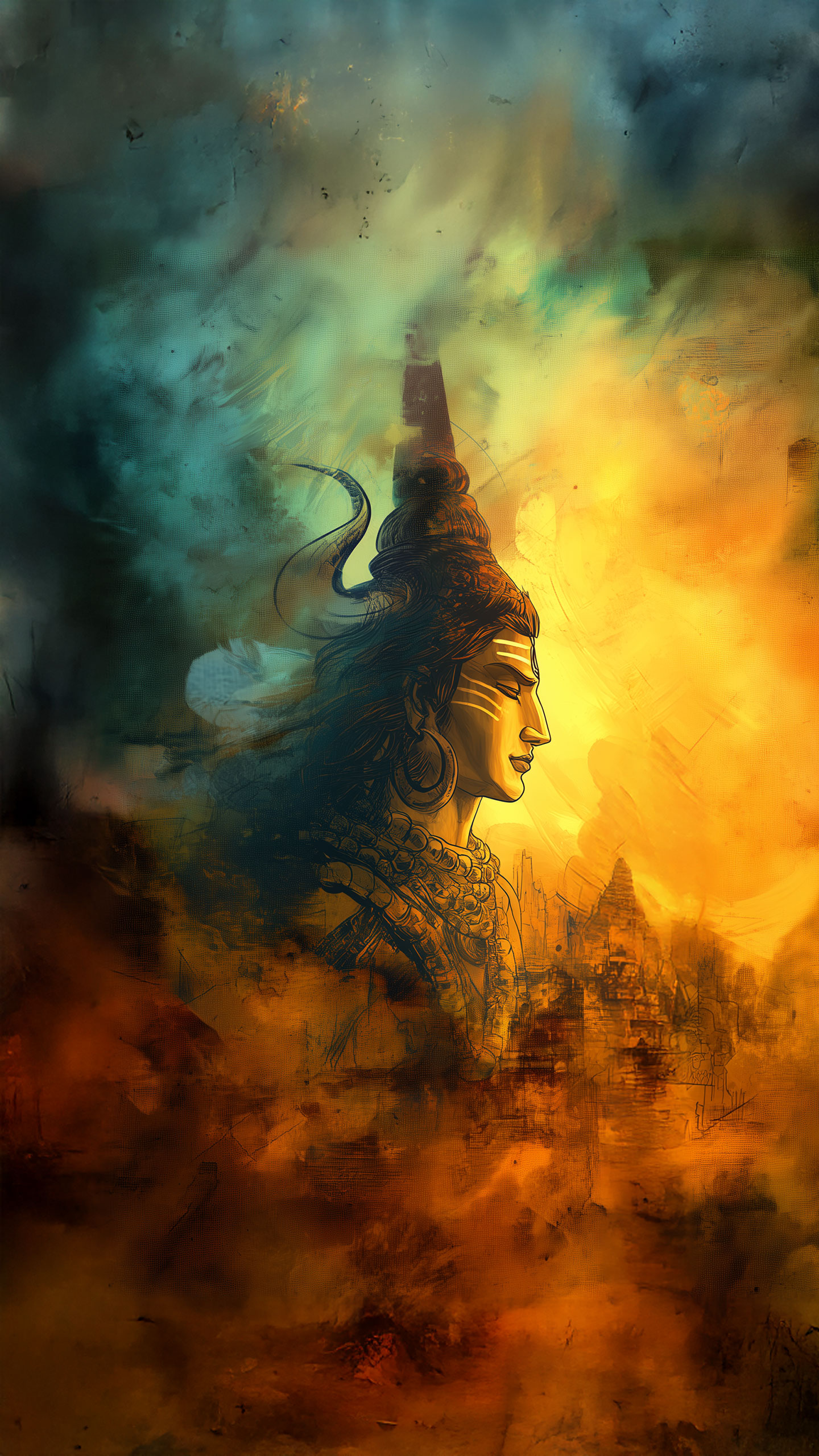






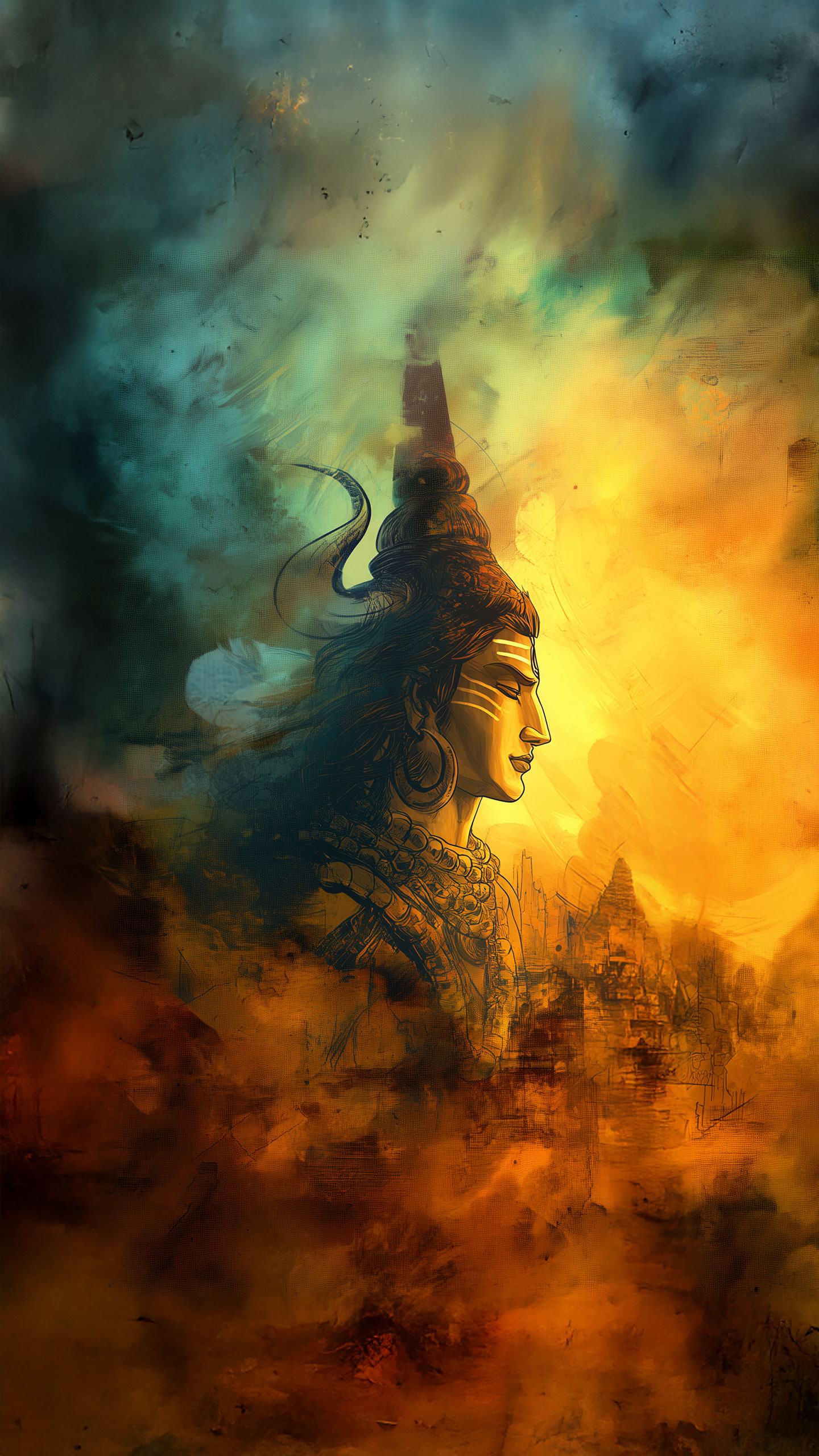

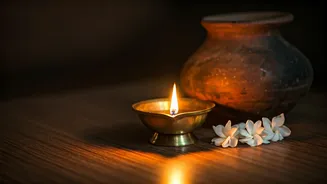
Maha Shivaratri 2026 Mantras: The sacred occasion of Maha Shivaratri will be celebrated on February 15 by devotees this year. Known as the Great Night of Lord Shiva, Maha Shivratri holds profound significance
in Hindu tradition and is celebrated with immense zeal and enthusiasm. It is believed that on this day, Lord Shiva got married to Goddess Parvati.
People celebrate the festival by worshipping Lord Shiva, visiting temples dedicated to the god, chanting mantras, performing various rituals and observing a day-long fast.
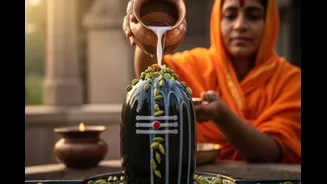
On this day, many people also perform Rudra Abhishek (also known as Rudrabhishekam). It is one of the most powerful and sacred Vedic rituals dedicated to Lord Shiva in his Rudra form, the fierce, all-destroying, and all-transforming aspect of the divine.
ALSO READ: Maha Shivaratri 2026 Puja Vidhi: Step-By-Step Rituals For Home And Temple
As the sacred occasion nears, look below the mantras, vidhi, and benefits of Rudra Abhishek on this day.
Maha Shivaratri 2026: Mantras
- Om Namah Shivaya॥
- Om Tryambakam Yajamahe Sugandhim Pushti-Vardhanam, Urvarukamiva Bandhanan Mrityormukshiya Mamritat॥
- Om Tatpurushaya Vidmahe Mahadevaya Dhimahi, Tanno Rudrah Prachodayat॥
- Om Mrityunjaya Mahadeva Trahi Mam Sharanagatam। Janma-Mrityu-Jara-Vyadhipidaitam Karma-Bandhanaih॥
- Om Namo Bhagawate Dakshinamurtaye। Mahyam Medham Prajnam Prayachchha Swaha॥
ALSO READ: Maha Shivaratri 2026 Fasting Rules: What To Eat, What To Avoid And Parana Time
Maha Shivaratri 2026: Rudra Abhishek Vidhi
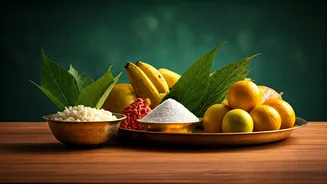
To perform Rudra abhishek pooja, you will need a few items such as milk (preferably fresh cow’s milk), yogurt, ghee, honey, Gangajal, sandalwood paste made from stick or powder, vibhuti (sacred ash), bel patte or bilva leaves, sacred thread (kalava), a copper or brass vessel for “Abhishek” and dhatura and white flowers. Here is the full vidhi:
Maha Shivratri 2026: Rudra Abhishek Vidhi (Step-By-Step)
- Snanam (Purification Bath) & Preparation: Wake up during Brahma Muhurta (4:00–5:30 AM) and take a ritual bath, preferably adding a few drops of Gangajal to your water. Wear fresh and clean clothes. Then, set up the puja space facing North or East.
- Sankalp (Sacred Vow): Sit on a clean asan, hold water, flowers, and akshat in your right hand. Take the Sankalp and release the water toward the Shivling.
- Ganesh Puja (Removing Obstacles): Begin with a brief Ganesh Vandana to remove all obstacles from the ritual.
- Kalash Sthapana: Place a copper or brass Kalash (pot) filled with Gangajal near the Shivling. Place mango leaves and a coconut on top. This Kalash represents Lord Varuna and all sacred rivers.
- Shivling Sthapana & Avahana: Place the Shivling on a clean copper plate or Yoni Peetham (base). The spout should face North. Now invoke Lord Shiva into the Shivling.
- Ekadasha Dravya Abhishekam (The 11 Sacred Baths): This is the core of the Rudra Abhishek. One by one, pour each of the 11 Dravyas (offerings) over the Shivling while chanting the corresponding mantra. Simultaneously, the Sri Rudram (Namakam & Chamakam) should be recited – either by you or a family member. Pour each offering slowly and continuously in a clockwise direction.
- Shuddhi Snanam (Purification Bath): After all 11 Dravyas, give the Shivling a final bath with pure Ganga Jal to cleanse all the offerings. Chant “Om Namah Shivaya” continuously during this cleansing.
- Vastra (Clothing) & Alankaar (Adornment): Wrap the Shivling with a fresh white or red cloth. Apply Chandan tilak (sandalwood paste), kumkum, and vibhuti. Adorn it with bel patra (place three leaves atop the Shivling), fresh flowers (Dhatura flowers are most sacred), and a snake ornament.
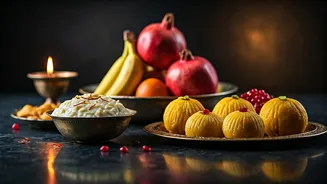
- Dhoop, Deep & Naivedya (Incense, Lamp & Food Offering): Light dhoop and a ghee lamp (deep). Offer Naivedya — fruits, panchamrit, sweets, and water. Place the offerings before the Shivling and chant: “Om Naivedyam Samarpayami.”
- Sri Rudram & Mantra Japa: Chant “Om Namah Shivaya” 108 times (or 1008 times) using a Rudraksha Mala. Conclude with Maha Mrityunjaya Mantra 108 times. You can chant the 108 names of Lord Shiva.
- Shiv Aarti & Pradakshina: Perform the grand Shiv Aarti with a ghee lamp. After Aarti, perform 3 Pradakshinas (circumambulations) around the Shivling in a half-circle.
ALSO READ: Maha Shivaratri 2026 Celebration At Isha Foundation: Date, Time, Venue, Significance And Highlights
Maha Shivaratri 2026: Benefits Of Rudra Abhishek
Observing Rudra Abhishek on Maha Shivaratri with devotion and proper rituals has profound spiritual significance. The benefits are described extensively in the Shiva Purana, Linga Purana, and various Agama texts. Here are some of them:
- Moksha (Liberation): Frees the soul from the cycle of birth and death, the ultimate spiritual goal.
- Paap Nashana (Sin Destruction): Destroys accumulated sins of multiple lifetimes.
- Relief From Negative Influences: Rituals and mantras are thought to eliminate the evil eye (Nazar Dosha) and negative energy.
- Graha Dosha Nivaran: Pacifies malefic planetary influences, especially Shani, Rahu, and Ketu dosha.
- Wealth & Prosperity: Removes financial obstacles and attracts abundance through Lord Shiva’s grace.
- Harmonious Relationships: Strengthens marital bonds, family harmony, and resolves domestic conflicts.
- Health & Healing: Cures chronic diseases and bestows longevity (Maha Mrityunjaya effect).
- Spiritual Awakening: Activates the Ajna Chakra (Third Eye), accelerates spiritual growth and enhances meditation.
- Victory & Success: Ensures success in career, education, legal matters, and overcoming competitors.
- Inner peace And Clarity: Chanting and meditation help calm the mind and dissolve anxiety, fear, and restlessness.