






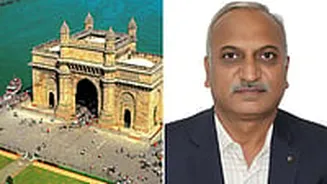
The Maharashtra cabinet on Tuesday approved a land acquisition and allotment policy for development projects for ‘Third Mumbai‘ near Mumbai Trans Harbour Link (MTHL), also known as Atal Setu. Speaking
to reporters after the cabinet meeting, Chief Minister Devendra Fadnavis said that 200 sq km of land had been handed over to the Mumbai Metropolitan Regional Development Authority (MMRDA) to develop the area. According to an official statement, the decision will apply to areas falling under the newly appointed New Town Development Authority and projects to be implemented in the future by the MMRDA. The policy aims to facilitate planned development in the impact zone of the MTHL. The cabinet decision is expected to provide a clear framework for land acquisition and distribution, enabling faster execution of infrastructure and urban development projects in the region.
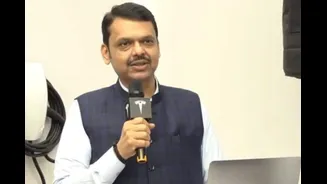
#CNNNews18Townhall | Mumbai has its own character which is better than Singapore and Shanghai. You will see a lot of transformation in the next 5 years. We are creating a new futuristic third Mumbai: @Dev_Fadnavis, Maharashtra CM#Mumbai | @AnchorAnandN pic.twitter.com/BbNE2sQb4g
— News18 (@CNNnews18) August 13, 2025
The Atal Setu, a sea bridge which connects Sewri in Mumbai to Nhava Sheva in Navi Mumbai, is a key infrastructure project and is expected to play a crucial role in decongesting Mumbai and promoting balanced regional growth. The cabinet also approved a long-term loan of Rs 15,000 crore from NABARD to complete water resources projects, benefiting around 8 lakh hectares of agricultural land across the state.
What is it?
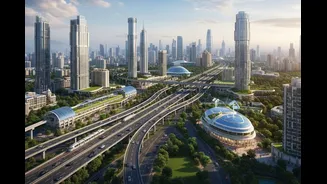
Third Mumbai is a planned, futuristic city located between Atal Setu and Navi Mumbai International Airport, designed to boost economic growth to $300 billion by 2030. Highlighted by CM Devendra Fadnavis, this new metropolitan hub will feature an ‘Edu City,’ ‘Medi City,’ data centers, and a second BKC-like commercial district.
The features
The region, identified as the Karnala-Sai-Chirner New Town, aims to reduce congestion in the existing city and focus on sustainable, high-tech industry development. It is planned to be three times the size of current Mumbai, featuring extensive green spaces, a 5-star hotel, and advanced transport links.
Educational Hub: Seven top-ranked global universities have already agreed to set up campuses, with more in negotiations.
Economic Impact: The project aims to develop a new business district comparable to BKC, boosting the region’s GDP.
Connectivity: The area is connected by the Mumbai Trans Harbour Link (Atal Setu) and the new Navi Mumbai Airport.