






Responsible cooking isn’t just about what happens in the kitchen. It begins far earlier, with decisions about sourcing, seasonality, and respect for the land. In an age of global supply chains and year-round
availability, choosing to cook with seasonal and local ingredients has become a conscious act of sustainability, flavour-first thinking, and cultural responsibility. More than a trend, it represents a return to food systems that prioritise balance: between people and producers, taste and nutrition, tradition and innovation.
Across professional kitchens and home cooking alike, chefs are increasingly advocating for ingredients that grow where they are cooked, and when nature intends them to.
Flavour And Nutrition At Their Natural Peak
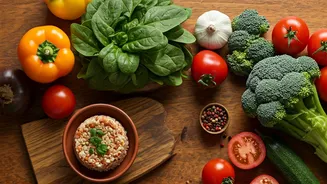
One of the strongest arguments for seasonal, local cooking is quality. Ingredients harvested at their natural peak offer superior flavour, aroma, and nutritional value. These qualities diminish when produce is transported long distances or stored for extended periods.
“Seasonal produce is harvested when it’s meant to be,” says globetrotting chef, author, and culinary influencer Chef Ananya Banerjee, adding that locally grown ingredients retain freshness and vitality – something no imported, off-season produce can truly replicate. The difference is evident not just on the palate, but in how food feels.
Sustainability Beyond The Buzzword
Environmental responsibility is another critical layer. Long-distance transportation, artificial ripening, and cold storage significantly increase food’s carbon footprint. Cooking seasonally and locally reduces these impacts while encouraging farming methods aligned with natural cycles.
“Using seasonal and locally sourced ingredients is fundamental to responsible cooking,” explains Chef Prashant Raut, Sous Chef at Sheraton Grand, Pune. He adds, “Seasonal produce travels shorter distances, requires fewer resources to grow, and retains higher nutritional value, making it both a sustainable and culinary-forward choice.”
Strengthening Local Food Ecosystems
Choosing local ingredients is also a social decision – one that sustains livelihoods and preserves regional food systems. When chefs buy directly from farmers, fisherfolk, and small producers, they help maintain agricultural diversity and economic resilience.
Chef Raut notes that such practices allow hospitality brands to build stronger relationships with local farming communities and support regional food ecosystems.
Ancient Wisdom Meets Modern Kitchens
Seasonal cooking isn’t a modern concept. It’s deeply rooted in Indian culinary philosophy. Chef Arjyo Banerjee, Chief Culinary Officer at Compass Group India, points out that ancient texts warned against ignoring seasonality and geography, identifying these imbalances as Kaal Dosha and Desh Dosha.
“Food is meant to come from where you are and when you are,” he explains, highlighting how ingredients naturally align with the body’s needs – green peas in winter, hydrating gourds in summer, tender okra during warmer months. “This is the intersection of food science and wisdom,” he notes.
Creativity, Value, And Mindful Cooking
Seasonality also encourages creativity. Limited availability pushes cooks to adapt, innovate, and truly understand ingredients rather than masking them with excessive seasoning. As Chef Arjyo notes, buying out-of-season produce often means paying more for less flavour. Chef Ananya echoes this sentiment, emphasising that seasonal cooking fosters mindfulness, reduces food waste, and deepens respect for culinary rhythms shaped by nature.
Seasonal and local cooking isn’t about restriction. It’s about alignment with nature, culture, and community. By choosing ingredients that belong to the land and the moment, responsible cooking celebrates flavour at its finest, supports sustainable livelihoods, and reconnects us to the cycles that have nourished generations.