





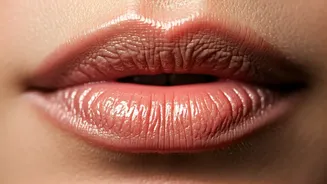
Skin flooding has emerged as one of the most talked-about skincare trends across social media. At its core, it is built on a simple idea – layering hydration to achieve plump, dewy, and healthy-looking
skin. While the concept isn’t entirely new to dermatology, its growing popularity makes it important to separate science from hype.
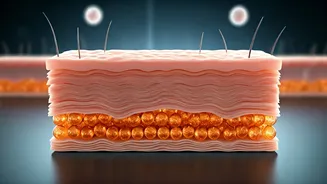
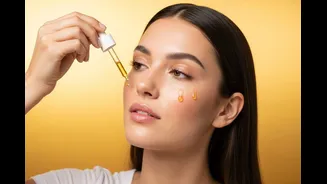
Skin flooding refers to the practice of applying humectant-rich products, most commonly hyaluronic acid, on damp skin, followed by layering additional hydrating and sealing formulations. The goal is to maximise moisture retention by drawing water into the skin and preventing its evaporation. Dr Sonia Tekchandani, Founder & Medical Director of TenderSkin International, tells us that when it is done correctly, this technique can enhance skin hydration, improve barrier function, and impart a natural glow.
However, the notion that “more hydration equals better skin” needs careful consideration. Skin is a dynamic organ, and its needs vary significantly based on individual skin type, climate, and existing conditions. For instance, while someone with dry or dehydrated skin may benefit greatly from this approach, individuals with oily or acne-prone skin may find excessive layering counterproductive, potentially leading to congestion or breakouts.
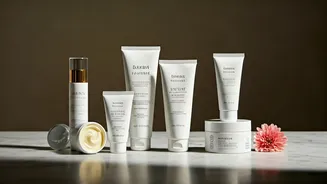
One of the most important aspects of skin flooding is understanding product formulation and sequence. Applying a humectant like hyaluronic acid on damp skin allows it to bind water more effectively. This must always be followed by an emollient or occlusive, such as a moisturiser, to lock in that hydration. Without this final step, especially in dry environments, humectants can paradoxically draw moisture out of the skin, worsening dehydration.
Another common oversight is ignoring the skin barrier. Over-layering multiple products, particularly when combined with actives like exfoliating acids or retinoids, can compromise barrier integrity. This may result in sensitivity, redness, or irritation, outcomes that are often mistaken for “purging” but are, in reality, signs of overuse.
From a clinical standpoint, skin flooding is best viewed not as a universal routine, but as a customizable technique. For patients with compromised barriers, post-procedure skin, or seasonal dryness, it can be highly effective when guided appropriately. On the other hand, those with rosacea, acne, or seborrheic tendencies require a more nuanced approach with lighter formulations and fewer layers.
It is also essential to recognise that hydration alone cannot address all skin concerns. Pigmentation, acne, and ageing require targeted treatments beyond moisturization. Skin flooding can support overall skin health, but it should complement, not replace, evidence-based dermatological care.
Overall, skin flooding is a valuable addition to modern skincare when practised with awareness and moderation. The key lies in personalisation – choosing the right ingredients, respecting your skin type, and avoiding the temptation to overdo. Healthy skin is not about excess, but about balance and that remains the cornerstone of any effective skincare routine.