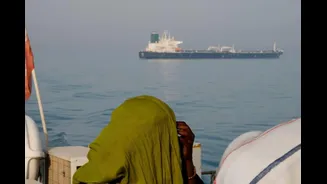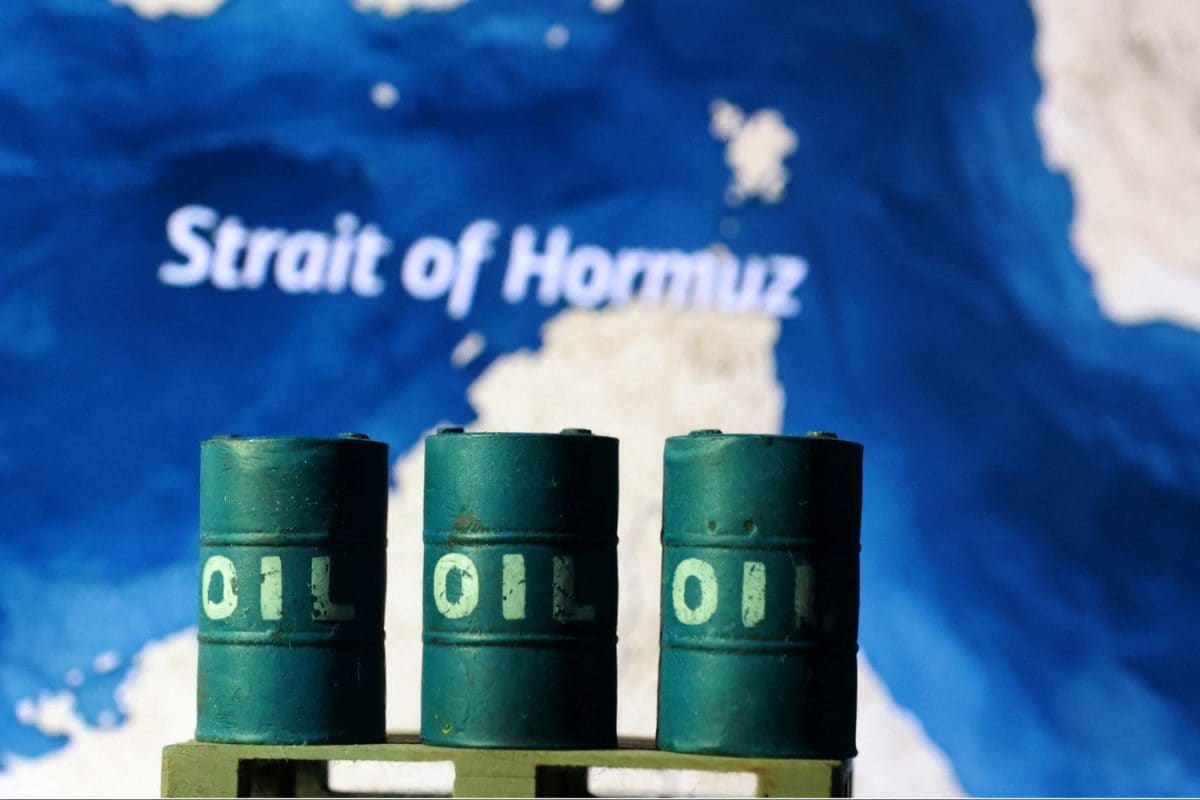

Iran is preparing legislation to impose toll charges on vessels passing through the Strait of Hormuz, according to an Al Jazeera report citing Iranian news agencies Fars and Tasnim.
The report said the
Iranian parliament is seeking to pass a draft law that would allow authorities to collect fees from ships transiting the crucial waterway.
The development, the report mentioned, was confirmed by the chairman of the parliament’s Civil Affairs Committee, who said the proposal has been prepared and will soon be finalised by the legislature’s legal team.
“According to this plan, Iran must collect fees to ensure the security of ships passing through the Strait of Hormuz,” the official was quoted as saying.
“This is completely natural. Just as in other corridors, when goods pass through a country, duties are paid. The Strait of Hormuz is also a corridor. We ensure its security, and it is natural for ships and tankers to pay its duties,” he added, according to the report.
STRAIT OF HORMUZ CENTRAL TO GLOBAL ENERGY SUPPLY
The Strait of Hormuz remains a critical conduit for global energy flows, carrying roughly one-fifth of the world’s oil and liquefied natural gas shipments.
Disruptions linked to the ongoing conflict in West Asia have triggered what is described as the worst energy shock in history, with fuel shortages being reported worldwide and supply chains facing severe strain.
Businesses ranging from airlines to supermarkets and used car dealers are grappling with rising costs, weakening demand and logistical challenges.
Farmers are also facing difficulties sourcing diesel fuel for tractors, while the World Food Programme estimates tens of millions more people could face acute hunger if the conflict continues into June.
US-IRAN MESSAGES EXCHANGED THROUGH INTERMEDIARIES
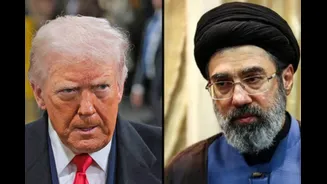
Diplomatic positions between Washington and Tehran remain unclear, with US President Donald Trump saying Iran was seeking a deal even as Iranian officials denied direct negotiations.
Iranian Foreign Minister Abbas Araqchi said that although messages had been exchanged through intermediaries, formal talks had not taken place.
“Messages being conveyed through our friendly countries and us responding by stating our positions or issuing the necessary warnings is not called negotiation or dialogue,” Araqchi said in a state television interview on Wednesday.
“It is simply an exchange of messages through our friends,” he added.
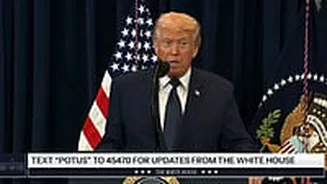
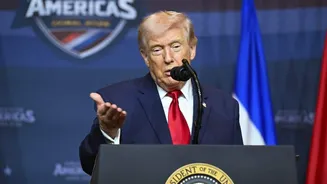
Trump, speaking later in Washington, said Iranian leaders “are negotiating, by the way, and they want to make a deal so badly, but they’re afraid to say it because they will be killed by their own people. They’re also afraid they’ll be killed by us.”
A 15-point US proposal conveyed through intermediaries includes provisions related to Iran’s uranium enrichment programme, ballistic missile activity and regional alliances.
CONFLICT ESCALATION CONTINUES ACROSS THE REGION
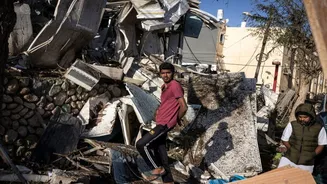
Military activity has continued across the Gulf, with missiles and drones striking targets in the region.
Admiral Brad Cooper, the Central Command chief leading US forces in the Middle East, said more than 10,000 targets inside Iran had been struck, according to Reuters.
He said 92 per cent of Iran’s largest naval vessels had been destroyed and that drone and missile launch rates had declined by more than 90 per cent, Reuters reported.
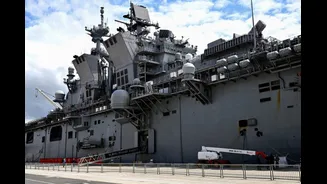
Meanwhile, the Pentagon is considering deploying additional airborne troops to the Gulf, adding to Marine contingents already on their way.
U.N. Secretary-General Antonio Guterres warned that the “world is staring down the barrel of a wider war” and called for a shift towards diplomacy.
ALSO READ | ’13 US Bases Uninhabitable’: Iran Strikes Force Troops Into ‘Remote War’