


In 2026, home design is expected to move decisively away from visual excess towards something far quieter, spaces that soothe rather than stimulate. At the centre of this shift is an unlikely protagonist:
a near-neutral shade that doesn’t demand attention but transforms everything around it. Pantone’s Cloud Dancer, a soft blend of off-white and pale grey, is emerging as the defining wall colour of the year.
For designers, the appeal lies not just in its aesthetic, but in what it represents, a recalibration of how homes are meant to feel.
“In 2026, walls will whisper rather than shout, and Pantone’s Cloud Dancer is set to lead that quiet revolution,” says Tusshar Joshi, Founder & Principal Designer, Utkarsh Vastukaran. He describes the shade as “soft, weightless, and gently warm,” positioned between stark white and muted grey, offering a sense of calm that feels both modern and timeless.
As homes increasingly double up as workspaces, retreats and social hubs, the need for visual balance has become more pronounced. According to Joshi, Cloud Dancer responds directly to this shift, reflecting natural light in a way that makes smaller spaces feel more expansive while allowing larger homes to maintain a cohesive, breathable flow.
This is also why designers believe it will gradually replace both extremes, overly bright whites that feel clinical and beige tones that can appear dated. Instead, Cloud Dancer introduces subtle depth, adapting to light conditions through the day while maintaining a consistent softness.
The complexity of getting “white” right is something designers are acutely aware of.
“White is never just white,” says Harshita Agarwal, Founder, Harshita Agarwal Interiors. “Some whites feel too sharp and bright, almost harsh. Others look flat and dull and take away the warmth of the room.”
According to Agarwal, finding a shade that is both rich in tone and easy on the eyes is one of the most challenging aspects of interior design. It must complement furniture, materials and lighting without overwhelming the space.
“This is where Cloud Dancer steps in with the right shade. It has a gentle warmth that naturally settles into any interior, whether the palette is bold, neutral or textured. It lifts the space without drawing attention to itself and creates a sense of ease that feels very modern yet timeless,” she explains.
That balance between presence and restraint is what gives the colour its long-term appeal. Designers see it not as a fleeting trend, but as a foundational tone that can evolve with changing styles.
At a broader level, Cloud Dancer also aligns with the growing emphasis on well-being in design. Interiors are no longer just about aesthetics; they are about how a space makes people feel.
“As design trends shift towards calming palettes, textural depth, and well-being-centric interiors, Cloud Dancer fits perfectly into the narrative,” says Ekta Verma, Principal Designer and Founder, ETOS Designs. “Unlike hard whites that can feel clinical, this shade offers a soft-touch luminosity, bright enough to open up spaces, yet mellow enough to feel warm and inviting.”
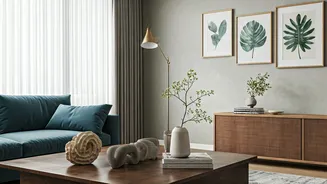
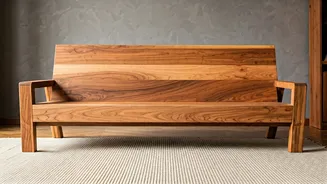
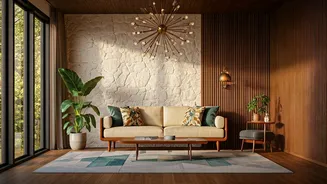
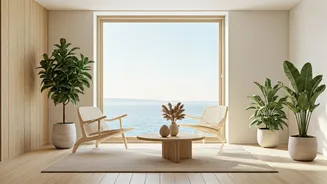
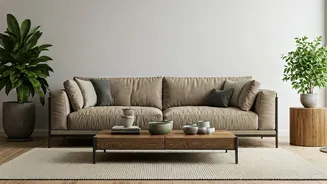
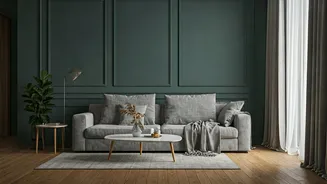
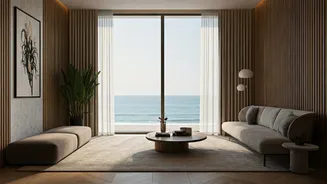
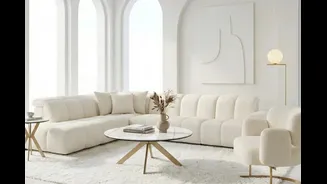
Its adaptability across design styles further strengthens its appeal. Whether in Japandi, Scandinavian or soft modern interiors, Cloud Dancer acts as a neutral canvas that allows materials and textures to stand out. Verma notes that it pairs effortlessly with natural finishes such as oak, ash, terrazzo and limestone, while also complementing earthy browns, muted greens, charcoal tones and soft blush palettes.
This versatility gives designers greater creative freedom, allowing them to layer textures, experiment with forms and introduce accents without disrupting visual harmony.
Increasingly, Cloud Dancer is also being seen as a response to how homes are evolving structurally. Open-plan layouts and compact urban apartments both require colours that can unify spaces without overwhelming them.
“Cloud Dancer provides the ideal backdrop… Its subtle undertone allows natural materials to shine without overpowering them,” Verma adds, pointing to its ability to create both spaciousness and cohesion.
In practical terms, this means the shade is likely to extend beyond living rooms into bedrooms, kitchens and transitional spaces, acting as a unifying thread across the home.
But beyond design logic, there is also an emotional resonance to the colour. In a time marked by overstimulation and constant noise, restraint itself has become aspirational.
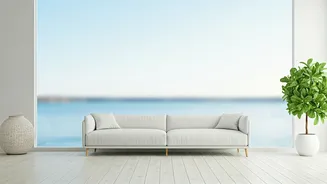
Cloud Dancer doesn’t compete with furniture, art or décor, it amplifies them. It allows curved forms, textured finishes, warm woods and sculptural lighting to take centre stage while quietly holding the space together.
As Joshi puts it, the colour “doesn’t demand attention; it creates atmosphere.”
A Quiet Shift in What Luxury Looks Like
If there is one defining idea shaping interiors in 2026, it is this: luxury is no longer loud. It is subtle, intentional and deeply personal.
Cloud Dancer embodies that shift. It is not just a colour, but a design philosophy, one that prioritises calm over contrast, cohesion over excess, and feeling over spectacle.
In that sense, its rise is not surprising. In a world that is increasingly chaotic, the most powerful spaces may well be the ones that feel the quietest.