






Every year, the Padma Awards spark celebration, debate and curiosity in equal measure. While the public sees celebrities, artists, scientists and social workers receiving medals at the grand ceremony in New
Delhi, very few know what actually happens before those names are announced.
As the Padma Awards 2026 ceremony takes place today at Rashtrapati Bhavan, the spotlight is once again on India’s biggest civilian honours and the mysterious selection process behind them.
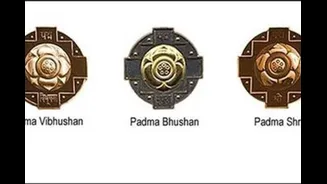
President Droupadi Murmu will confer the Padma Awards on May 25 during the first Civil Investiture Ceremony. This year, the Government of India has announced 131 Padma honours, including five Padma Vibhushan, 13 Padma Bhushan and 113 Padma Shri awards.
Some of the biggest names being honoured this year include late Dharmendra, Mammootty, Alka Yagnik, R Madhavan and late Satish Shah.
But how does someone actually get selected for a Padma Award? Who decides the winners? Can ordinary people send nominations? And are the choices political, public or completely confidential?
Here’s a detailed look at how the Padma Awards selection process really works behind closed doors.
First, What Exactly Are The Padma Awards?
Instituted in 1954, the Padma Awards are among India’s highest civilian honours. They recognise exceptional contribution in areas including:
Arts and entertainment
Literature and education
Science and engineering
Medicine
Sports
Public affairs
Social work
Civil service
Trade and industry
The awards are divided into three categories:
Padma Shri
Padma Bhushan
Padma Vibhushan
Above all of them is the Bharat Ratna.
Who Can Recommend Someone For A Padma Award?
One of the biggest myths around the Padma Awards is that only politicians or powerful insiders can recommend names.
That is not true.
In fact, any Indian citizen can nominate someone for a Padma Award.
The Government of India opens nominations every year through the Ministry of Home Affairs portal. Recommendations can come from:
Ordinary citizens
State governments
Union Territories
Central ministries
Governors
Chief Ministers
Previous Padma awardees
Members of Parliament
Institutions and organisations
People can even nominate themselves.
This “Padma For The People” approach became a major push in recent years to encourage recognition beyond celebrities and political figures.
What Kind Of Achievements Are Considered?
The government says the awards are meant for “exceptional and distinguished service.”
Importantly, Padma Awards are not officially supposed to reward just fame or popularity.
The focus is meant to be on:
Long-term contribution
National impact
Excellence in a field
Public service
Cultural influence
Work done quietly without media attention
This is why many recipients each year are relatively unknown outside their communities.
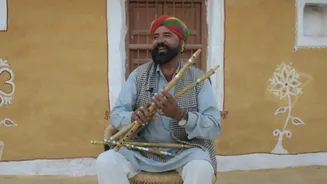
Over the last decade especially, the government has increasingly highlighted “unsung heroes” — teachers, tribal artists, environmental workers, folk musicians and grassroots activists.
At the same time, globally recognised celebrities and icons are also honoured.
What Happens After The Nominations Are Submitted?
This is where the process becomes far more private. Once thousands of nominations arrive, they are screened by the Ministry of Home Affairs. Background checks and verification processes begin at multiple levels.
Officials reportedly examine:
Career achievements
Public reputation
Integrity and conduct
Contribution to society
Existing recognitions
Any controversies or legal concerns
The process is extensive because nominations can run into tens of thousands every year.
The Powerful Padma Awards Committee
The most important stage is the Padma Awards Committee. This committee is constituted every year by the Prime Minister and is headed by the Cabinet Secretary.
Its members usually include:
Senior government officials
Eminent citizens
Previous awardees
Experts from different fields
The committee reviews shortlisted names and decides who finally makes the cut.
Its recommendations are then submitted to:
The Prime Minister
The President of India
Only after approval are the final names announced publicly around Republic Day.
Is The Selection Process Secretive?
To a large extent, yes.
The internal discussions of the committee are not made public. There is no televised jury discussion or public voting system.
The government does not reveal:
Who voted for whom
Internal debates
Ranking discussions
Rejected names
This confidentiality is meant to prevent lobbying and public pressure.
However, every year, the secrecy also leads to public speculation about why certain celebrities are honoured while others are ignored.
Why Do Some Celebrities Get Higher Honours Than Others?
This is one of the most debated aspects of the Padma Awards.
For example:
Mammootty is receiving the Padma Bhushan this year after previously receiving the Padma Shri in 1998. Late Dharmendra is being honoured with the Padma Vibhushan posthumously.
The level of award generally reflects:
Scale of influence
Length of contribution
National impact
Historical significance
Cultural legacy
Over time, some personalities move from Padma Shri to Padma Bhushan and eventually Padma Vibhushan as their contribution grows across decades.
Can Someone Refuse A Padma Award?
Yes.
Several public figures in the past have declined Padma honours for personal, political or ideological reasons. Some have argued they did not want state honours. Others felt they deserved a higher category or did not believe in awards at all.
The government can still announce the honour, but recipients may choose not to accept it.
Can The Award Be Taken Back?
Technically, yes — though it is extremely rare.
The President of India has the authority to cancel or annul a Padma Award if extraordinary circumstances arise.
Very few such instances have occurred in history.
Why Are Posthumous Awards So Emotional?
Padma Awards can also be given posthumously. This year, Dharmendra and Satish Shah are being honoured after their deaths, adding emotional weight to the ceremony. Posthumous recognitions often become deeply symbolic because they celebrate not just a person’s career, but the lasting impact they left behind. For fans, families and entire industries, these moments often feel like national acknowledgment of a legacy.
Why The Padma Awards Still Matter
Despite debates, criticism and occasional controversies, the Padma Awards continue to hold enormous cultural value in India.
For many recipients, the honour represents:
National recognition
Lifetime achievement
Public respect
Historical legacy
And for audiences, the awards often become a snapshot of who shaped India’s cultural, scientific and social landscape in a particular era.
From actors and musicians to doctors and grassroots workers, the Padma Awards remain one of the country’s most visible symbols of achievement even if the final decisions are made quietly behind closed doors.