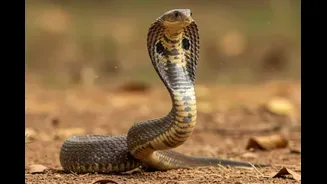






The summer and monsoon seasons are times when snakes come out of their burrows. It gets too hot for them to stay underground, and the rainwater can also flood their homes, forcing them out of it. It is
around these seasons that you have a greater chance of seeing them.
However, things are changing. According to research conducted on venomous snakes by the WHO, climate change is causing a higher risk of snakebites across the world as reptiles are having to shift their habitats to cope with rising temperatures and growing human pressures.
According to a report by The Guardian that looked at the research, it was found that spitting cobras in Africa, vipers in Europe and South America, cottonmouth moccasins in North America and kraits in Asia are coming into greater contact with people as a result of climate disruption and landscape change.
With climate change, the main cause of concern is the decline of species; however, this study states that it might be the exact opposite for snakes, as their numbers are most likely to increase, especially those of the deadliest snakes. This change in weather will take them to areas where they have not been seen before and potentially affect billions of people.
“The overlap between humans and venomous snakes will be greater,” said one of the authors, David Williams of the WHO and the University of Melbourne, adding, “You could consider this a risk of walking out of the back door, stumbling and getting bitten.”
If you’re bitten by a snake, the first hour is critical and must be used to stay calm and get medical help fast. Treat every bite as potentially venomous, even if you did not see the snake clearly.
Immediately move away from the snake, but do not run; keep the bitten area still and avoid unnecessary movement so that the venom spreads slowly. Call emergency services or your local emergency number right away, and inform your family or bystanders so someone can stay with you and drive if needed.
Keep the bitten limb at or slightly below heart level and remove any tight items like rings, watches, or shoes before swelling starts. Clean the wound gently with soap and water if possible, then cover it with a clean, dry bandage or cloth.
It is important to note that you should not cut the bite, try to suck out venom, or apply a tourniquet or ice. Avoid drinking alcohol, caffeine, or painkillers such as aspirin or ibuprofen, as these can increase bleeding risk. Try to remember or describe the snake’s colour and size, and, if safe, take a photo from a distance for doctors.
If you feel dizzy, nauseous, have trouble breathing, or notice swelling, severe pain, or bleeding around the bite, those are urgent danger signs and must be reported to medical staff immediately.
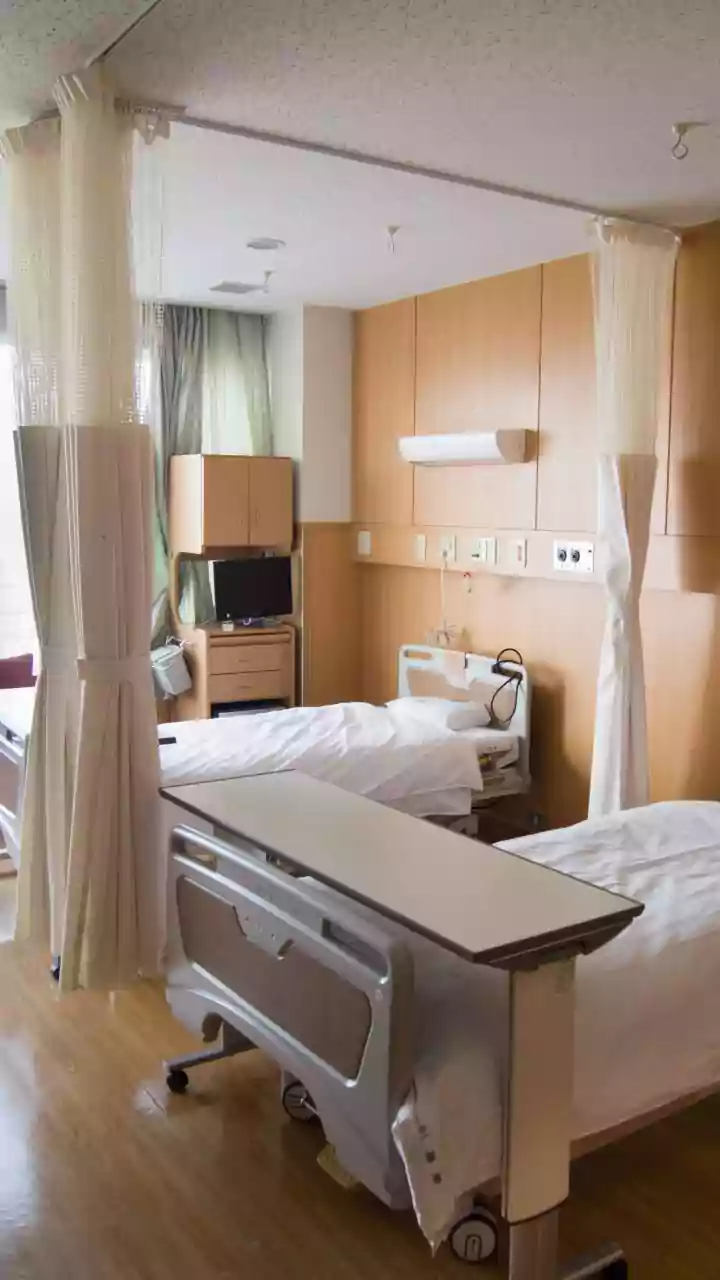
Do not try to catch or kill the snake. The goal in the first hour is to minimise movement, stabilise the person, and reach a hospital or health centre with antivenom and proper facilities as quickly as possible.