







When Varun Dhawan revealed that his daughter Lara was diagnosed with Developmental Dysplasia of the Hip (DDH), he not only shared a deeply personal moment but also brought attention to a condition that often
goes unnoticed in early childhood. Speaking on Be A Man, Yaar! podcast by Nikhil Taneja, the actor highlighted how DDH, though treatable, can significantly impact mobility if not identified early.
Opening up about the diagnosis, Varun Dhawan said, “When she was 1.5 years old, she was diagnosed with DDH, which is basically the hip slipping out of the socket. One leg becomes longer than the other, which makes walking very difficult. You can’t run properly, you can’t walk. You’ll get arthritis or a slipped disc early.”
He also pointed to a crucial gap in early detection, adding, “There’s good diagnosis for this in the Western world at birth, but that’s not the case in India. But there are many excellent doctors here who take care of it.”
Understanding Developmental Dysplasia Of The Hip
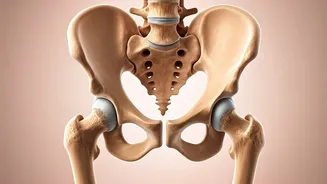
Developmental Dysplasia of the Hip occurs when a baby’s hip joint does not form as it should. In a healthy joint, the ball of the thigh bone fits securely into the socket. In DDH, this connection may be loose, unstable, or completely displaced. The condition can develop before birth or in the early months of life, and its severity varies. Left untreated, it can lead to long-term complications such as chronic pain, difficulty walking, and early-onset arthritis.
One of the biggest challenges with DDH is how quietly it presents. Many infants show no obvious discomfort, which can delay diagnosis. Early indicators may include uneven skin folds on the thighs, one leg appearing shorter, restricted hip movement, or a clicking sound during leg movement. As children grow, signs may evolve into delayed milestones, limping, or an unusual walking pattern.
Pediatric experts emphasise that when DDH is identified in infancy, treatment is often simple and non-invasive. Devices like a harness can gently guide the hip into proper alignment as the baby grows. However, delayed diagnosis can complicate the process, sometimes requiring surgical intervention. This gap between early and late detection can significantly influence long-term outcomes.
Varun Dhawan’s candid revelation serves as a timely reminder that not all childhood conditions are immediately visible. In the case of DDH, awareness, vigilance, and timely medical consultation can make a lasting difference.
For parents, understanding the early signs and prioritising regular screenings may be the key to ensuring healthier mobility and development in the years ahead.