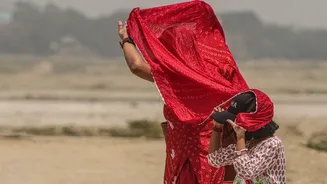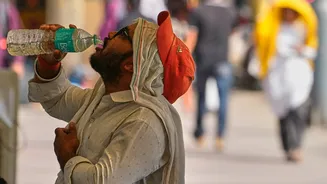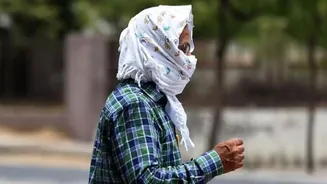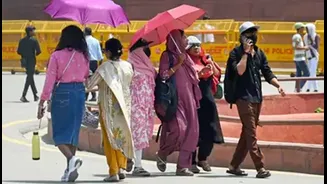





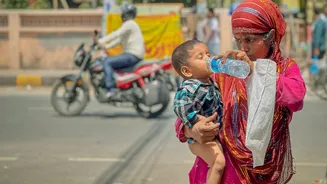


There was a time when hotels existed almost exclusively as places to stay, transitional spaces tied to holidays, business trips, or special occasions. But as Indian cities continue to grapple with relentless
heatwaves and rising urban fatigue, hospitality spaces are quietly evolving into something far more essential: climate-controlled sanctuaries for everyday life.
Today, luxury is no longer defined only by thread counts or extravagant suites. Increasingly, it is about comfort, convenience, and the ability to momentarily escape the chaos of overheated cities. Across metros, hotels are becoming modern urban refuges where people work, socialise, dine, recharge, and seek relief from extreme weather conditions without ever needing to check in overnight.
According to Animesh Kumar, Commercial Head, ibis & ibis Styles India, this behavioural shift is already becoming visible across hospitality spaces in the country. “With temperatures staying unusually intense across several parts of the country, people are increasingly looking for comfortable indoor spaces where they can continue their day without being exposed to the harsh outdoor conditions,” he explains. “This shift is not only influencing leisure movement but also changing how professionals and urban consumers are utilising hospitality spaces across cities.”
The modern hotel lobby today looks very different from what it did a decade ago. Business meetings unfold over iced coffees instead of formal boardrooms. Professionals spend entire afternoons working from hotel cafés. Friends gather for long lunches that slowly turn into evening conversations, all without stepping back into the sweltering outdoors.
“There has been a visible rise in informal corporate interactions taking place within hotels and dining spaces,” Kumar says. “Instead of travelling between multiple venues in extreme heat, people are preferring environments where they can combine productivity, comfort, food, and ambience within one destination.”
This phenomenon reflects a larger global shift toward what could best be described as “heatwave hospitality”, a growing hospitality model where hotels function as lifestyle ecosystems rather than purely accommodation-driven businesses. In many ways, climate is becoming one of the biggest forces reshaping how hospitality is consumed.
At luxury properties, the response has gone beyond simply offering air-conditioned spaces. Hotels are now curating immersive indoor experiences designed around wellness, emotional comfort, and slow living.
Pardeep Siwach, General Manager, Mayfair Spring Valley Resort Guwahati, believes hotels are increasingly positioning themselves as holistic escape zones for urban consumers struggling with environmental exhaustion.
“As the effect of increasing temperatures on travel behaviour becomes increasingly evident, luxury hotels are gradually evolving to become much more than simple places for staying,” he says. “They are becoming urban sanctuaries offering comfort, refuge, and well-being experiences.”
From wellness therapies and mindful dining to temperature-controlled leisure spaces and day-long retreat experiences, hospitality brands are rethinking what guests truly seek during periods of extreme climate discomfort. The emphasis is shifting toward emotional ease as much as physical luxury.
“The modern-day consumer is seeking places where they can disconnect from the oppressive heat outside and reconnect with comfort, nature, and mindful activities,” explains Siwach. “Whether it is weekend staycations, day retreats, or long leisure stays, hotels are gradually becoming favourite escape zones within cities.”
What makes this transformation particularly fascinating is how seamlessly hotels are entering everyday urban routines. They are no longer reserved only for travellers passing through. Instead, they are becoming extensions of city life itself, places people visit not because they have to travel, but because they need a pause.
And perhaps that is the defining characteristic of modern luxury in an overheating world: not excess, but refuge. In the age of climate fatigue, the most desirable destinations may no longer be faraway islands or extravagant resorts, but thoughtfully designed spaces within our own cities that simply allow us to breathe easier.