





Cancer prevention often feels like a concern for later decades – something to think about after retirement, not during school runs, deadlines, and back-to-back meetings. But doctors say the foundation
for long-term protection is built much earlier. The habits you form in your 30s and 40s quietly shape your cancer risk for years to come.
“In your 30s and 40s, many people put health on the back seat because of work and family responsibilities. But this is actually the most important time to build habits that lower cancer risk in the future,” says Dr. Amit Jain, Pediatric Haematologist-Oncologist and BMT Physician at P. D. Hinduja Hospital & Medical Research Centre, Mahim. Echoing the urgency, Dr. Shishir Shetty, Director – Surgical Oncology at Fortis Hiranandani Hospital, Vashi, adds, “We are now seeing more cancers being diagnosed at younger ages, and lifestyle plays a big role.”
Why Midlife Is A Critical Window
One of the biggest but least discussed drivers of cancer risk is chronic, low-grade inflammation – often triggered by sedentary routines, weight gain, and ultra-processed diets.
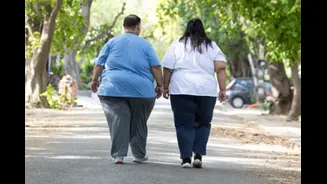
“Sitting for long hours, eating too much processed food, and gaining excess weight can disturb sugar metabolism and increase cancer risk,” explains Dr. Jain. These small, repeated stressors can slowly damage cells over time, creating an environment where disease is more likely to develop. The upside? Inflammation is highly responsive to lifestyle changes.
Eat To Reduce Inflammation
Food is one of the simplest places to start. Dr. Jain recommends what he calls the ‘Rule of Thirds’. He explains, “Make at least one-third of every meal rich in fruits, vegetables, whole grains, or legumes to support gut health, which plays an important role in protecting cells from damage.”
This isn’t about restrictive dieting or eliminating favourite foods. Instead, it’s about consistent upgrades – swapping refined carbs for whole grains, adding fibre-rich vegetables, and cutting back on sugary drinks and packaged snacks. Dr. Shetty agrees: “You don’t need a perfect diet – just a sensible, consistent one.”
Movement, Sleep, And Stress Matter More Than You Think
Exercise doesn’t need to mean intense gym sessions. Even moderate activity counts.
“Regular physical activity, even a brisk 30-minute walk most days, helps control weight, lowers inflammation, and reduces cancer risk,” says Dr. Jain.
Sleep, meanwhile, is often underestimated. “Poor or short sleep weakens the immune system and the body’s ability to repair damaged cells,” he notes. Dr. Shetty adds that late nights, screen overload, and constant stress quietly chip away at the body’s natural defence systems. “Getting enough sleep and finding simple ways to manage stress isn’t indulgence. It’s prevention,” he notes.
Cut The Big Risks First
Some risk factors are non-negotiable. “Staying away from tobacco is the biggest win,” says Dr. Shetty. Alcohol, though socially normalised, isn’t harmless either. Cutting back significantly reduces long-term risk. These changes offer outsized benefits compared to any quick-fix wellness trend or miracle product. “Cancer prevention doesn’t come from shortcuts or superstition. It comes from science and sensible habits,” he adds.
Screening And Self-Awareness Save Lives
Prevention also means paying attention. Dr. Jain advises that women start regular breast check-ups around 30, while men should monitor bowel changes. Both doctors stress the importance of knowing your family history and not dismissing persistent symptoms.
Early detection dramatically improves outcomes. Building a cancer-resistant lifestyle doesn’t require drastic overhauls. A balanced plate, daily movement, better sleep, fewer cigarettes and drinks, and timely screenings may sound simple – because they are. But done consistently, these small choices create powerful, lifelong protection.