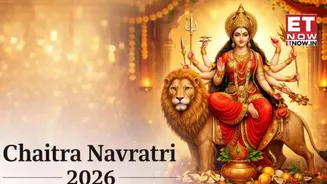





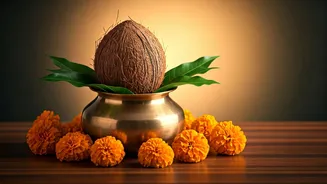
Chaitra Navratri 2026 Fasting Rules: Chaitra Navratri will be observed from March 19 to March 27 this year. The nine-day festival is dedicated to Goddess Durga and her different forms. It is mainly celebrated
in North India and also marks the start of the Hindu New Year in many places.
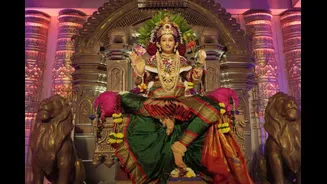
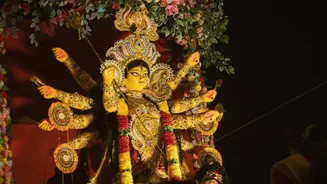
During these days, people pray, fast, and focus on positive thoughts. Devotees worship different forms of Goddess Durga each day and seek blessings for good health, peace, and growth in life.
ALSO READ: When Is Chaitra Navratri 2026? Date, Muhurat, Rituals And Fasting Rules
Each day of Navratri is linked to a different form of Goddess Durga. These include Goddess Shailputri, Goddess Brahmacharini, Goddess Chandraghanta, Goddess Kushmanda, Goddess Skandmata, Goddess Katyayani, Goddess Kaalratri, Goddess Mahagauri, and Goddess Siddhidatri.
The festival ends with Kanya Pujan, where young girls are worshipped as a symbol of divine power. It is also seen as a time to clean the mind and body and start fresh.
Chaitra Navratri 2026: Fasting Rules
People usually begin their day by cleaning their home and prayer area. After taking a bath, they prepare bhog for the goddess, offer prayers, chant mantras, and perform aarti. The same food is later eaten as prasad.
PHOTOS: Chaitra Navratri 2026: What To Eat And What To Avoid During These 9 days?
It is believed that eating light and simple food during these days helps the body stay balanced and healthy.
Foods To Eat And Avoid During Navratri
- During the fast, certain foods are avoided completely. These include onion, garlic, grains like wheat and rice, pulses, meat, eggs, alcohol, and tobacco.
- Instead, people eat simple and clean food. This includes fruits, vegetables like potato, pumpkin, bottle gourd, and raw banana, along with dairy products.
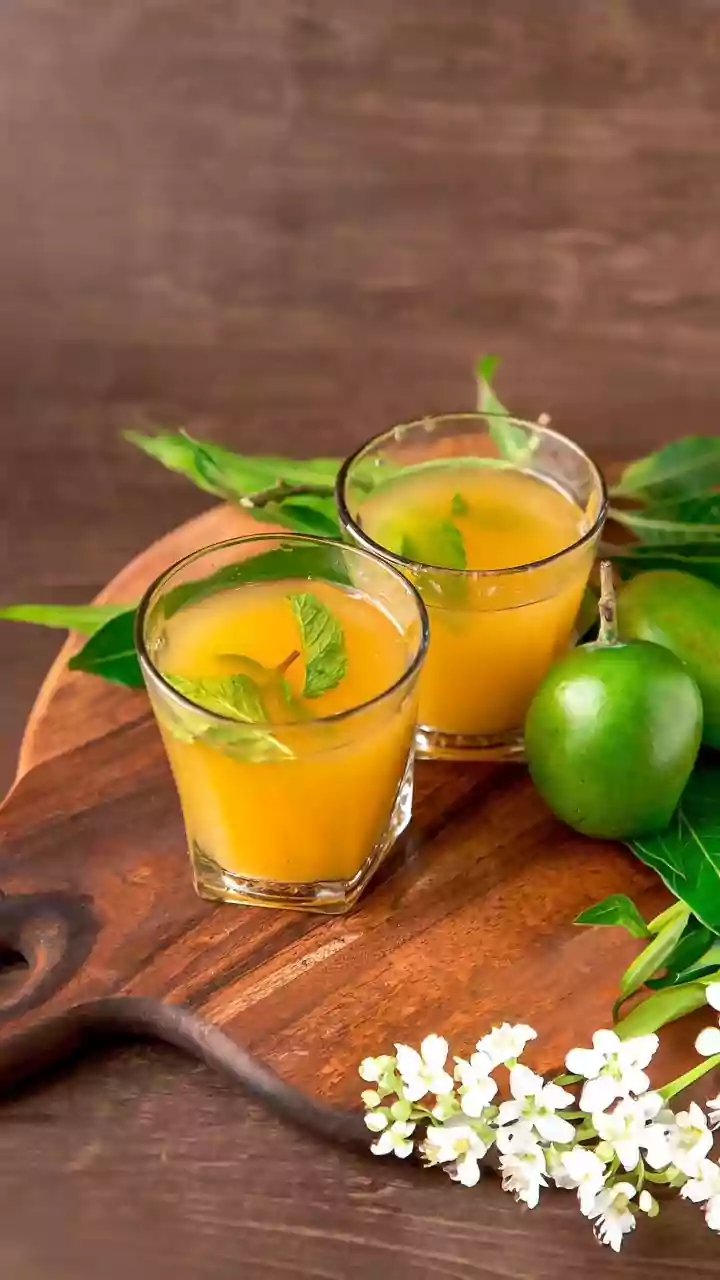
- Drinks like water, milk, buttermilk, and fresh juices are also allowed. Regular salt is avoided, and rock salt (sendha namak) is used. Simple spices like cumin, black pepper, and cardamom are preferred.
Do’s To Follow While Fasting
- While fasting, it is important not to stay hungry for too long. Eating small portions like fruits and nuts every few hours helps maintain energy.
- Drinking enough fluids like water, milk, and juices is also important.
- People are advised to follow a simple diet that includes flours like kuttu, singhara, and rajgira.
- Keeping a balance of sugar and salt in the body is necessary to avoid weakness or dizziness during the fast.
ALSO READ: Chaitra Navratri 2026: 5 Delhi Restaurants Serving Delicious Vrat-Friendly Meals
Don’t Follow These Habits During The Fast
- Certain habits should be avoided during Navratri. Cooking with onion, garlic, and heavy spices is not allowed.
- Oils like mustard or sesame oil are also usually avoided.
- Non-vegetarian food, alcohol, and tobacco are strictly not consumed.
- People fasting should also avoid eating heavy meals, especially before evening prayers.
- Packaged juices should be avoided as they may contain added salt and preservatives.
Popular Foods Made During Navratri
- Many simple and tasty dishes are prepared during this time. Singhada halwa is made using water chestnut flour, ghee, and sugar, and topped with nuts.
- Sabudana khichdi is another popular dish made with soaked sabudana, peanuts, and mild spices. Coconut laddoos and sabudana kheer are common sweet dishes.
- Other options include banana chips, cucumber raita, fruit chaat, and sweet potato chaat, all made using allowed ingredients.
Staying Hydrated Is Very Important
- Keeping the body hydrated during fasting is important. Starting the day with warm water and drinking fluids throughout the day helps maintain energy.
- Fruits like watermelon and cucumber, along with coconut water, help keep the body cool. Herbal teas and buttermilk are also good choices.
- It is best to avoid drinks with caffeine or too much sugar, as they can cause dehydration. Resting well and listening to your body is important, especially if you feel tired or weak.