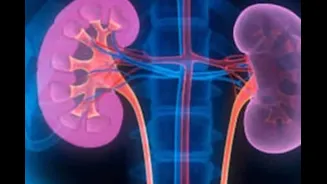










Our kidneys, vital organs responsible for filtering waste and maintaining the body’s internal balance often receive attention only when problems arise in adulthood. However, the true foundation for lifelong
kidney health is established much earlier, even before birth. A crucial yet often overlooked aspect of kidney health is its strong connection to neonatal well-being, particularly the impact of low birth weight.
The developing kidneys of a fetus are extremely sensitive, and the conditions experienced during pregnancy and birth can have long-lasting effects on kidney function. These early influences may shape kidney health for decades to come.
Dr Debabrata Mukherjee, Senior Director, Nephrology, Renal Care, Medanta, Gurugram shares all you need to know:
The Foundation of Filtration: Nephrons
To understand this connection, we must first look at the kidney’s fundamental working units, nephrons. Each kidney contains millions of these microscopic filters that clean the blood, remove waste products, and regulate the body’s delicate balance of fluids and electrolytes.
Importantly, the total number of nephrons a person will have throughout life is determined before birth, mainly between weeks 20 and 36 of pregnancy. Once this developmental window closes, the body cannot produce new nephrons.
Low Birth Weight: A Hidden Kidney Risk
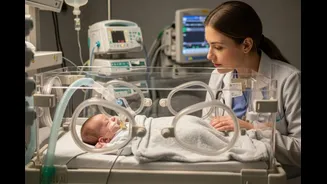
This is where neonatal health becomes critically important. Infants born with low birth weight typically defined as less than 2.5 kilograms (5.5 pounds) often have a significantly lower number of nephrons.
Several factors can contribute to low birth weight, including maternal malnutrition, infections during pregnancy, pre-eclampsia, or premature birth. These adverse conditions during key stages of fetal development can interfere with the complex process of nephron formation, resulting in kidneys that begin life with fewer filtering units than ideal.
A kidney with fewer nephrons is essentially at a disadvantage from the start. To compensate, the existing nephrons must work harder, increasing their workload and internal pressure. While this compensatory mechanism may help maintain normal kidney function during childhood, it can lead to accelerated wear and tear over time.
From Childhood to Chronic Kidney Disease
The long-term consequences of starting life with fewer nephrons can be significant. Individuals born with low birth weight face a higher risk of developing chronic kidney disease (CKD), hypertension (high blood pressure), and even end-stage renal disease later in life.
The constant strain on overworked nephrons can lead to progressive damage, gradually reducing the kidney’s filtration capacity and eventually resulting in visible kidney-related health problems. High blood pressure, which may develop earlier in these individuals, can further worsen kidney damage, creating a difficult cycle.
Proactive Care: Safeguarding Future Kidneys
Recognizing this important connection highlights the need for strong maternal and neonatal healthcare systems. Ensuring proper maternal nutrition, effectively managing health conditions during pregnancy, and providing comprehensive prenatal care are essential steps in supporting healthy fetal kidney development.
For individuals known to have been born with low birth weight, a proactive approach to long-term health monitoring is crucial. Regular medical check-ups, consistent blood pressure monitoring, and periodic kidney function tests such as GFR and albuminuria tests from an early age can help detect potential issues early.
Timely interventions, including lifestyle changes and medical treatment when necessary, can significantly reduce the risk of serious kidney disease.
Understanding this early foundation of kidney health reminds us that investing in neonatal care is ultimately an investment in lifelong kidney health for individuals and communities alike.