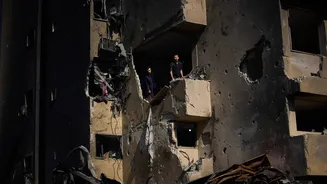





Iran’s centuries-old cultural and historical landmarks have suffered significant damage amid recent American and Israeli military strikes, prompting concern from UNESCO, which says multiple protected sites
have been affected by blast shockwaves rather than direct hits.
UNESCO has documented damage to at least four historic locations following strikes carried out in early March, noting that explosions near urban centres were powerful enough to shatter glasswork, crack masonry and dislodge centuries-old decorative elements.
The agency said it had shared the coordinates of all World Heritage sites with all parties to minimise risks to cultural heritage.
Sites Confirmed To Be Hit
According to UNESCO and Iranian officials, the damage spans several provinces:
- Golestan Palace (Tehran): Iran’s only UNESCO World Heritage Site in the capital suffered shattered mirrorwork and blown-out windows after blasts near Arag Square on March 2. Videos circulating online show debris scattered across ceremonial halls, including the famed Hall of Mirrors.
- Chehel Sotoun Palace (Isfahan): Part of the Persian Gardens World Heritage listing, the Safavid-era palace sustained cracked tiles, fallen murals and damaged mirrorwork following strikes near Isfahan’s central square on March 10.
- Falak-ol-Aflak Castle (Lorestan): Officials reported damage to perimeter structures, along with the destruction of nearby administrative offices and museum spaces associated with the castle complex.
- Kurdistan Province: Nineteenth-century mansions housing Kurdish museums reportedly suffered damage to doors, stained glass and interior features.
Officials stressed that assessments are ongoing and that additional sites may yet be identified.
How Military Strikes Reached Cultural Landmarks
The damage followed a wave of military operations that began on February 28 and escalated into long-range strikes in early March.
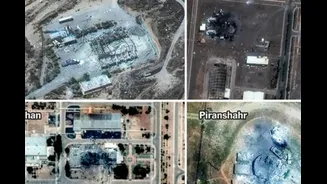
Seven B-2 stealth bombers reportedly flew from the United States to target heavily fortified Iranian nuclear facilities at Fordow, Natanz and Isfahan.
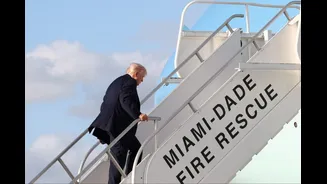
US President Donald Trump publicly defended the strikes, dismissing early intelligence assessments questioning their effectiveness and praising the pilots involved.
However, while the heritage sites were not directly targeted, Iranian officials say shockwaves from nearby explosions and falling debris caused extensive structural damage.
Immediate Costs And Hidden Losses
The physical destruction of palaces and museums brings immediate financial strain. Restoration of historic structures requires specialised artisans, traditional materials and long timelines, often stretching into years.
Iran’s tourism sector, already under pressure, faces further setbacks as visitors avoid conflict-affected regions and government resources are diverted to emergency repairs.
Insurance coverage for war-related damage is limited, leaving the state to shoulder most of the reconstruction costs.
Officials say funds that might otherwise have been allocated to social services or infrastructure will now be redirected toward conservation work and rebuilding damaged administrative facilities near sites such as Falak-ol-Aflak Castle.
Longer-Term Economic Fallout
Beyond repair bills, the damage threatens Iran’s cultural economy. Heritage sites are central to tourism, local employment and artisanal industries.
Cracked marble, faded frescoes and damaged interiors diminish the visitor experience, and perceptions of instability could deter international tourists even after hostilities ease.
There are also broader financial implications. Heightened geopolitical risk raises insurance premiums and borrowing costs, discouraging foreign investment in hotels, museums and cultural restoration projects.
With sanctions and diplomatic isolation limiting access to international funding, Iran is likely to rely largely on domestic resources for reconstruction, further straining budgets already under pressure from conflict and economic restrictions.