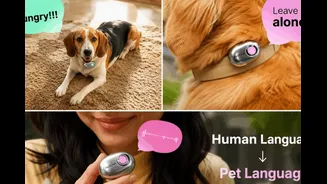










A China-based startup has sparked massive online debate after launching an AI-powered pet collar that claims to translate dog barks and cat meows into full human sentences with an astonishing 95% accuracy.
The product, developed by Hangzhou-based company PettiChat, has quickly gone viral across social media platforms, leaving pet lovers both fascinated and skeptical.
According to the company’s post on Instagram (@airmerges), the smart collar uses microphones, motion sensors, and artificial intelligence models to analyse pet vocalisations, emotions, and body language. Built using Alibaba Cloud’s Qwen AI technology, the system was reportedly trained on millions of pet voiceprint data samples to understand patterns in animal communication.
What makes the gadget even more futuristic is its claim that it can also convert human speech into “pet-friendly” sounds, allowing pets to supposedly understand responses from their owners. The company says the device can detect emotions such as excitement, anxiety, sadness, hunger, and affection based on the animal’s tone and movements.
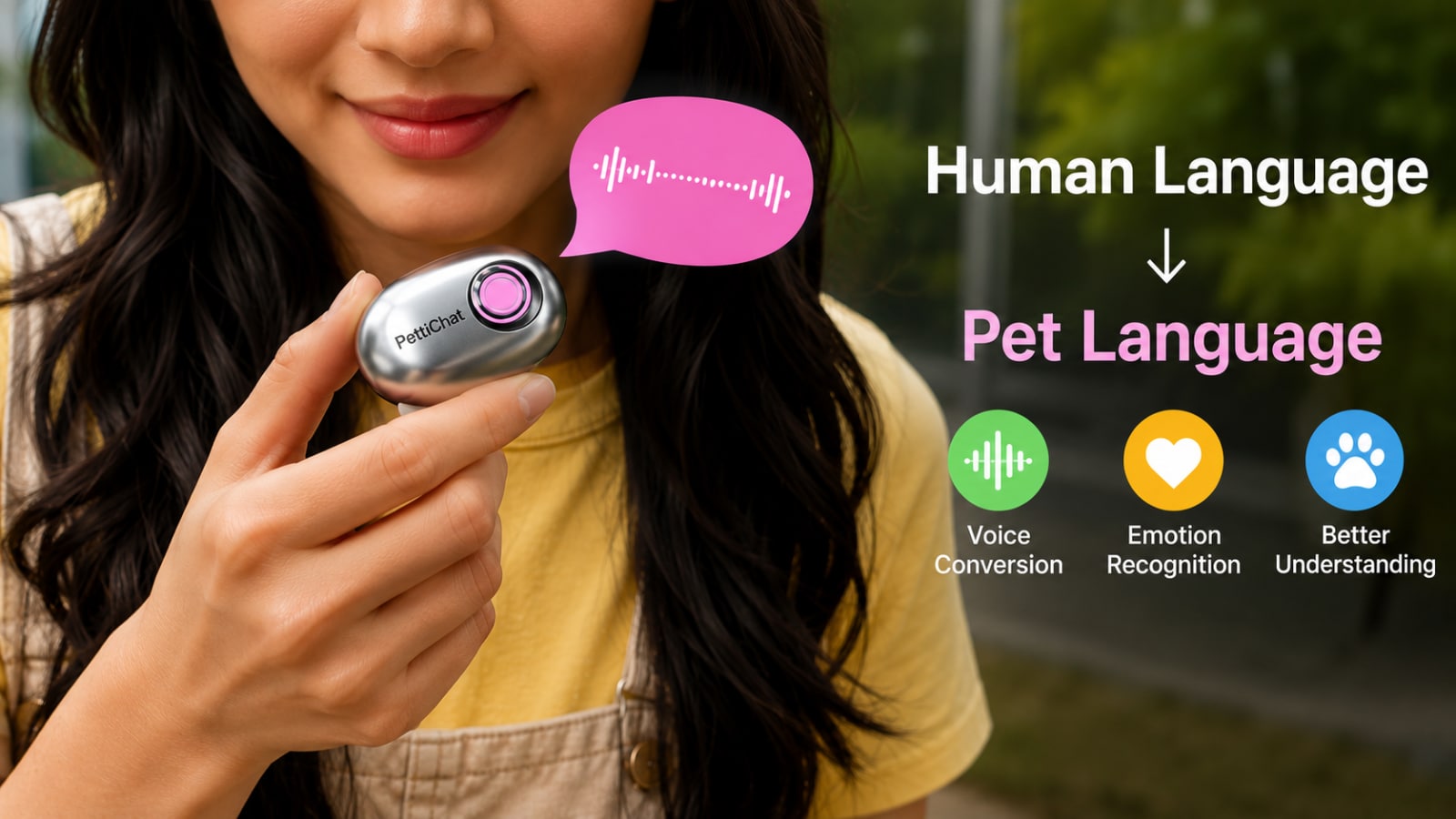
Soon after its launch, the AI collar gained huge traction online, with reports suggesting that over 10,000 preorders were placed in a short period. Priced at 799 yuan (around $118), the device instantly became one of the internet’s most talked-about AI gadgets.
Videos and screenshots from the startup’s Instagram and promotional pages spread rapidly online, with many users calling the invention “straight out of a sci-fi movie”. Pet owners flooded comment sections with jokes about finally finding out what their pets secretly think about them.

However, the excitement has been matched by strong scepticism. Critics pointed out that the company has not released any scientific studies, technical evidence, peer-reviewed research, or public testing data to support its bold claims. Many online users questioned whether current AI systems are advanced enough to accurately translate animal communication into meaningful human language.
Videos and screenshots from the startup’s Instagram and promotional pages spread rapidly online, with many users calling the invention “straight out of a sci-fi movie”.
While some users were genuinely excited by the idea, others reacted with humour and disbelief. One user joked, “We really got pet translators before affordable rent,” while another wrote, “My cat’s translated sentence will probably just be: ‘Leave me alone.’” Several people questioned the company’s bold claims, with comments like, “95% accuracy without proof is wild,” and “AI can barely understand humans online, now it understands cats too?”
Another viral comment read, “This is either revolutionary technology or the smartest marketing ever.”
Some experts and users also argued that pets rely heavily on physical gestures and environmental cues rather than just sounds, making accurate interpretation far more complicated than the startup suggests.
Despite the doubts, the viral success of the product reflects the growing obsession with AI-powered gadgets and humanity’s endless curiosity about understanding animals. Whether the device becomes a genuine breakthrough or simply another viral tech gimmick, it has already succeeded in grabbing the internet’s attention.