







Among all the wildlife sanctuaries in Assam, Kaziranga National Park emerges to be one of the most popular tourist spots in India during the summer months of April and May when the monsoon season closes
it down.
During this period, animals migrate to marshes, grasslands, and rivers in search of water. This makes it more likely for animal watchers to see them on safaris.
Here is a list of 10 wild animal’s tourists usually see in Kaziranga during summers:
1. Indian One Horned Rhinoceros
One of the biggest attractions of this national park is that it homes the largest number of one horned rhinoceros in the world. It is common for them to appear in mudflats and grasslands in summer.
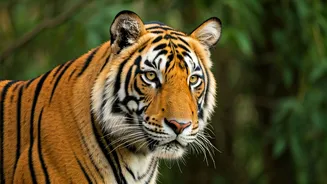
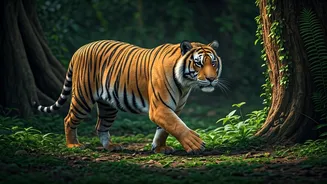
2. Bengal Tiger
The density of tigers in Kaziranga is one of the highest recorded in Indian national parks. Though sightings are quite uncommon, there is an increased chance during summer safaris to observe tigers in water bodies and thick grasses where they usually prey or relax during hot afternoons.
3. Asian Elephant
Large groups of Asian elephants can be observed moving around in the grasslands and swamps of Kaziranga National Park during summers, with their concentration higher at riverbanks due to drying up of water sources.
4. Wild Water Buffalo
One of the largest populations of wild water buffalos is found in Kaziranga. Buffalos rest in mud pools during the day.
5. Swamp Deer
Swamp deer, also known as barasingha, are frequently seen grazing in Kaziranga’s open grasslands during early morning safaris. Summer visibility improves as the tall grass begins thinning in some areas.
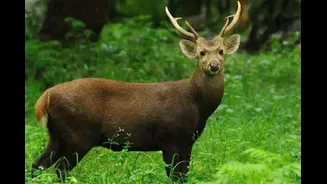
6. Hog Deer
One of the most commonly spotted animals in Kaziranga, hog deer are often seen darting across safari tracks or feeding quietly in grass-covered areas near wetlands.
7. Leopard
Leopards are far more elusive than tigers in Kaziranga, but summer conditions occasionally improve sightings near forest edges, dry riverbeds and quieter safari zones.
8. Smooth Coated Otter
As water levels reduce during summer, smooth coated otters are often seen swimming and hunting fish together in Kaziranga’s wetlands and river channels.
9. Greater Adjutant Stork
This rare giant stork is one of Kaziranga’s most distinctive bird species. Birdwatchers often spot them near wetlands and marshes searching for fish and small prey during summer months.
10. Gangetic River Dolphin
The interconnected channels of the Brahmaputra River surrounding Kaziranga provide opportunities to spot the endangered river dolphin.
Safari drives during summer take place very early in the morning since the weather heats up very quickly throughout the rest of the day. Clearer weather also benefits the visibility of Kaziranga’s savannahs than during the rainy season when floods inundate vast areas of the park.