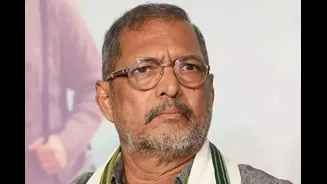

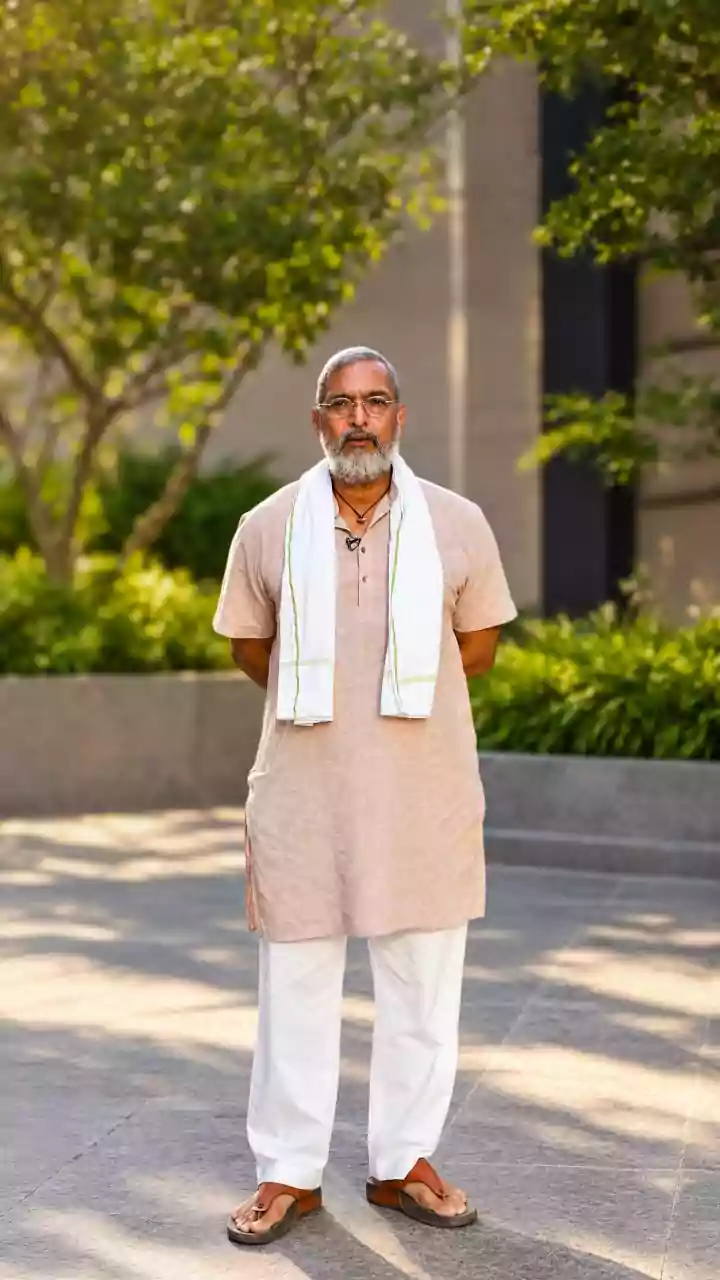



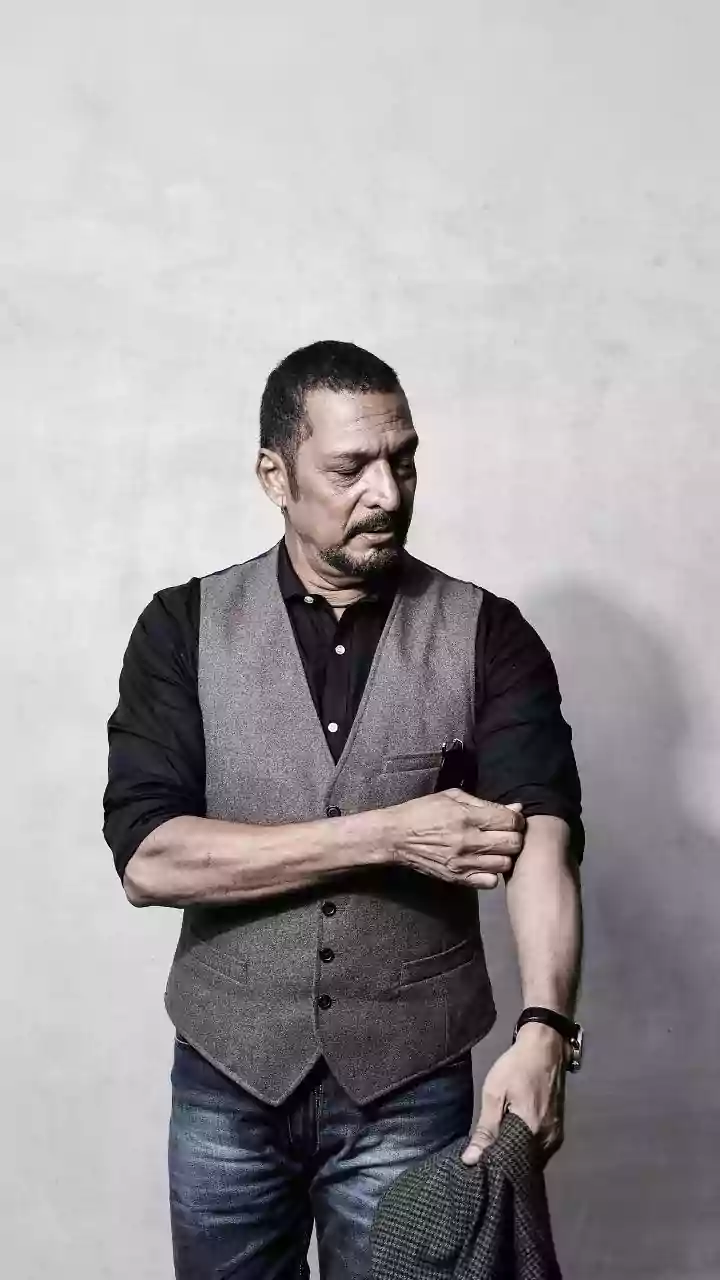

Nana Patekar spent almost five decades in the public eye, building a reputation as one of Indian cinema’s most formidable actors. Yet away from the cameras, awards and film sets, the life he chose for himself
looked remarkably different from the conventional Bollywood idea of success.
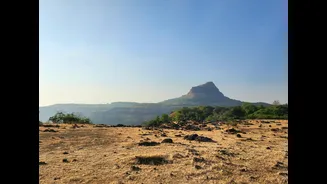
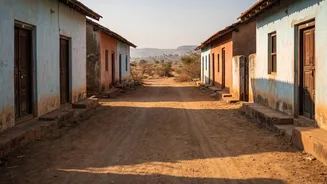
Patekar, who died at 75 on Thursday, October 8, was known for keeping his personal life private and maintaining a lifestyle that was far removed from the glitz associated with India’s biggest film stars. He found his escape not in luxury hotels or international holidays, but in a farmhouse near Pune, surrounded by farmland, animals and the quiet of rural life.
His relationship with the farm was not merely that of a celebrity owning a sprawling country property. Patekar spoke repeatedly about farming, village life and his preference for spending time away from the city.
In a 2008 interview, he revealed that he farmed at his village near Pune, growing crops including rice, wheat and chana, and even helped sell the produce and share the proceeds with farmers.
For an actor who could command the attention of an entire theatre with a single dialogue, there was something strikingly understated about the life he preferred when the cameras stopped rolling.
Nana Patekar’s 27-acre farmhouse near Pune
Patekar’s farmhouse near Khadakwasla, Pune, became his personal retreat from the intensity of Mumbai and the film industry.
A January 2026 report described the property as a sprawling 27-acre farmhouse, with a distinctly earthy aesthetic rather than the extravagant interiors associated with celebrity homes. The house features wooden furnishings, terracotta flooring and beamed ceilings, with greenery woven throughout the interiors.
Earlier reports about the farmhouse painted a similar picture. A 2009 profile of his private space described a roughly seven-room farmhouse with a large hall, simple wooden furniture, terracotta floors and plenty of plants. The interiors were reportedly designed around Patekar’s own preferences, with the actor personally choosing furnishings and accessories rather than creating a showpiece celebrity home.
The simplicity extended to everyday life there. According to the same report, guests were not necessarily treated to the conventional celebrity-house experience of staff waiting on them; instead, the home had an informal, almost village-like atmosphere.
Patekar was also known to cook, using vegetables grown on the property.
A Bollywood star who preferred farming to luxury
Perhaps the most revealing thing about Patekar’s farmhouse was what he actually did with the land. He farmed.
In an earlier interview, he spoke about growing rice, wheat, bajra, onions and garlic and described the ability to do work he enjoyed as a luxury in itself.
That attitude was consistent with the way he spoke about money and material possessions.
In a 2015 interview, Patekar said plainly that he did not live a luxurious lifestyle and that his needs were limited. He explained that while someone else might use a large sum of money to buy an expensive car, he would rather use it to help a farmer.
His comments offered a revealing contrast with the culture of celebrity consumption.
Patekar was one of Hindi cinema’s most recognisable actors, yet he repeatedly presented himself as someone who did not see cars, clothes or jewellery as the ultimate markers of success.
His farmhouse was also home to animals
Patekar’s connection to the countryside extended beyond crops. He kept animals at the farm and often spoke about how much he enjoyed their company.
In a 2023 interview with Filmfare, he recalled spending the COVID-19 lockdown at his farmhouse, describing it as a 12–14-acre property at the time, with five dogs, 12 cows and two bullocks. He said the isolation suited him and that he used the time to help farmers living nearby and others who needed assistance.
An older report on his farmhouse also mentioned goats, hens, cows and bullocks, reinforcing how deeply agriculture and animals were woven into his everyday life.
For Patekar, the farm was not simply a weekend escape. It was where he felt most comfortable. ‘I live in a village now’: Why Nana Patekar stepped away from the Bollywood lifestyle
Perhaps one of Patekar’s most telling comments came in his 2023 Filmfare interview. When asked whether he missed being on film sets, his answer was straightforward: he did not.
He said he was living in a village and that simple village life interested him more than the glare of film sets. He also explained that his charitable work had expanded beyond Maharashtra, giving him another reason to reduce the amount of acting work he took on.
It was an unusual attitude for someone with such an enduring screen career.
But Patekar seemed to have little interest in maintaining a celebrity lifestyle simply because he could.
In another interview, he said that when he took a break, he did not look for exotic destinations. Instead, he went to his farm.
Spending time with animals and being surrounded by nature, he said, was relaxing for him.
Nana Patekar’s simple home reflected his personality
The aesthetic of his farmhouse mirrored the personality Patekar projected publicly: functional, warm and deliberately unpretentious.
There were terracotta floors rather than polished marble, wooden furniture rather than designer interiors and plants rather than excessive decoration. Earlier reports also noted Indian artwork and carefully selected objects, but without the sense of extravagance typically associated with celebrity properties.
Even his approach to food was straightforward. In his 2015 interview, Patekar said he was not particularly fussy about what he ate. He also spoke about maintaining a disciplined exercise routine, saying he worked out for around two hours every day at the time.
His idea of wellness seemed to be rooted less in celebrity trends and more in routine: physical activity, simple food, nature and staying away from a social scene he did not particularly enjoy.
His idea of luxury was different
Perhaps the most memorable aspect of Patekar’s lifestyle was that he did not appear interested in rejecting luxury because he could not afford it.
He rejected the idea that luxury was necessary. In his 2015 interview, he spoke about having money that he could choose to spend on himself but finding greater meaning in helping families affected by the farmer crisis.
His farmhouse therefore became almost symbolic of his larger philosophy.
It was large because it was farmland. It was comfortable because it was his home. And it was valuable because it gave him the freedom to live close to nature and contribute to the rural community around him.
The life Nana Patekar chose when the cameras were off
For decades, audiences knew Nana Patekar as an actor capable of extraordinary intensity. His characters could be explosive, vulnerable, intimidating or deeply emotional.
But the private life he described was considerably quieter. He read. He farmed. He spent time with animals. He visited villages. He worked with farmers. He exercised. And when he needed to get away from the film industry, he went to his farm rather than searching for another glamorous destination.
That may ultimately be one of the most distinctive things about Patekar’s legacy.
He became a star without fully embracing the lifestyle that came with stardom.
His 27-acre farmhouse near Pune, with its terracotta floors, wooden interiors, crops and animals, was not simply a celebrity second home. It represented the kind of life he repeatedly said he valued: less spectacle, more nature; less consumption, more purpose; and less of the city, more of the village.
And away from Bollywood’s bright lights, that may have been exactly where Nana Patekar felt most at home.