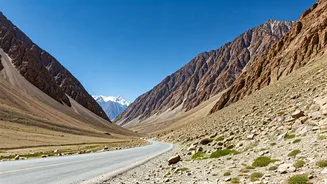










The Kailash Mansarovar Yatra is one of the most spiritually significant pilgrimages for Hindus, Buddhists, Jains and followers of the Bon faith. Every year, thousands of devotees undertake this challenging
journey to seek blessings at Mount Kailash and the sacred Lake Mansarovar, despite the demanding terrain and high-altitude conditions.
However, planning the pilgrimage involves much more than booking flights and packing warm clothes. Since the yatra involves crossing international borders and entering China’s Tibet Autonomous Region, travellers must ensure all mandatory travel documents are in place well before departure. A recent advisory from India’s Ministry of External Affairs (MEA) has reinforced just how important this step is.
Why The Government Issued The Advisory
The MEA recently reminded pilgrims to carefully verify all their travel documents after 52 Indian devotees travelling to Kailash Mansarovar through Nepal were stranded because they lacked the mandatory permits required to enter Tibet.
According to the ministry, several travellers assumed that carrying a valid passport and a Chinese visa would be sufficient. However, entry into Tibet through Nepal requires additional travel authorisations issued by Chinese authorities. Without these permits, pilgrims may be denied entry, resulting in delays, financial losses and disruption to their pilgrimage.
The government has also advised travellers to book their pilgrimage only through authorised tour operators who are familiar with the latest cross-border travel regulations.
Mandatory Documents Required For Kailash Mansarovar Yatra Via Nepal
If you are travelling through Nepal, you will need the following documents:
- A valid passport
- A valid Chinese visa
- A Tibet Travel Permit
Any additional group travel permits or entry approvals required by Chinese authorities for foreign visitors entering Tibet via Nepal
Unlike regular visas, these permits cannot usually be obtained independently. They are typically arranged by authorised tour operators in coordination with agencies in Nepal and China. Before starting your journey, confirm that every required approval has been issued.
Kailash Mansarovar Yatra Routes
Pilgrims can undertake the yatra through multiple routes, each with different travel requirements.
1. Nepal Route
This is one of the most popular options. Pilgrims usually travel to Kathmandu before proceeding towards Tibet by road or chartered flights, depending on the itinerary. Since the journey enters Tibet through Nepal, travellers require the additional permits mandated by Chinese authorities.
2. Lipulekh Pass Route (Uttarakhand)
Organised under the supervision of the Indian government, this traditional route passes through Uttarakhand and involves several days of trekking before crossing into Tibet. It is physically demanding but remains a preferred option for many devotees.
3. Nathu La Pass Route (Sikkim)
This route offers comparatively easier road access with less trekking than the Lipulekh route. Pilgrims travel through Sikkim before entering Tibet, making it suitable for those looking for a less strenuous journey.
Tips Before You Begin The Yatra
Besides securing the necessary documents, pilgrims should keep a few additional points in mind:
- Verify every permit before leaving India.
- Book only through authorised and experienced tour operators.
- Keep both physical and digital copies of all travel documents.
- Ensure your passport has adequate validity for international travel.
Prepare for high-altitude conditions by undergoing a medical check-up and following the fitness guidelines recommended for the pilgrimage.