





Protein has quietly become the buzzword of modern nutrition. From gym shakes to high-protein snacks crowding supermarket shelves, everyone seems to be chasing more of it. But the real question isn’t how
much is trendy – it’s how much your body actually needs.
The answer shifts with age, lifestyle and health. Growth spurts, pregnancy, fitness goals, recovery, and even ageing change your requirements dramatically. Protein isn’t just for muscles; it builds hormones, enzymes, immunity and tissues, and even supports healthy skin, hair and nails. In short, it’s the body’s repair system and energy stabiliser rolled into one.
“Protein plays an important role as the building block of muscles, hormones, enzymes and immunity,” explains Rutu Dhodapkar, Clinical Dietitian and HOD at P. D. Hinduja Hospital and MRC, Khar. Dr Ankita Srivastava, Chief of Labs at Neuberg Diagnostics, adds, “Proteomics now shows how protein impacts muscle health, immunity and ageing at a molecular level,” while Madhu Yadav, Senior Dietitian at Fortis Hospital, Mulund, notes, “Requirements vary with age, activity and health status. Balance is key.”
Early Years: Building The Foundation
Infancy is a period of rapid development. Babies require the highest protein density relative to body weight – about 1.5 g/kg in the first six months and 1.2 g/kg through the first year. Breast milk or formula usually meets these needs.
As toddlers and young children grow, requirements remain steady at roughly 0.95–1.05 g/kg. Protein supports muscle growth, brain development, hormones and immune strength. According to Srivastava, proteins linked to tissue growth and enzymes are particularly active at this stage.
Teens And Young Adults: Growth Meets Hormones
Adolescence brings another spike. Boys may need 0.9–1.0 g/kg and girls 0.8–0.9 g/kg daily to support lean muscle gain and hormonal changes. “Protein becomes crucial during puberty for bone and muscle development,” says Yadav. Skimping here can affect strength and recovery, especially for sporty teens.
Adults: Maintenance Or Performance?
For most adults, 0.8–1 g/kg daily is adequate. But activity levels change the math. Gym-goers and fitness enthusiasts may benefit from 1.2–1.6 g/kg, while athletes and heavy trainers can require up to 2 g/kg.
Dhodapkar explains that protein helps with metabolism and sustained energy while aiding post-exercise repair. Without enough intake, muscle recovery slows and fatigue sets in faster. Pregnancy and lactation also demand more – an additional 15–23 grams daily during pregnancy and about 19 grams while breastfeeding to support fetal growth and milk production.
Ageing And Recovery: Why Needs Rise Again
After 50, muscle loss accelerates. Proteomic research shows declining anabolic signals and increased breakdown, which is why older adults may need 1–1.2 g/kg or more. Higher intake helps prevent sarcopenia, supports immunity and speeds healing after illness. For those with kidney disease, however, intake should be moderated under medical guidance.
Smart Protein, Not Just More Protein
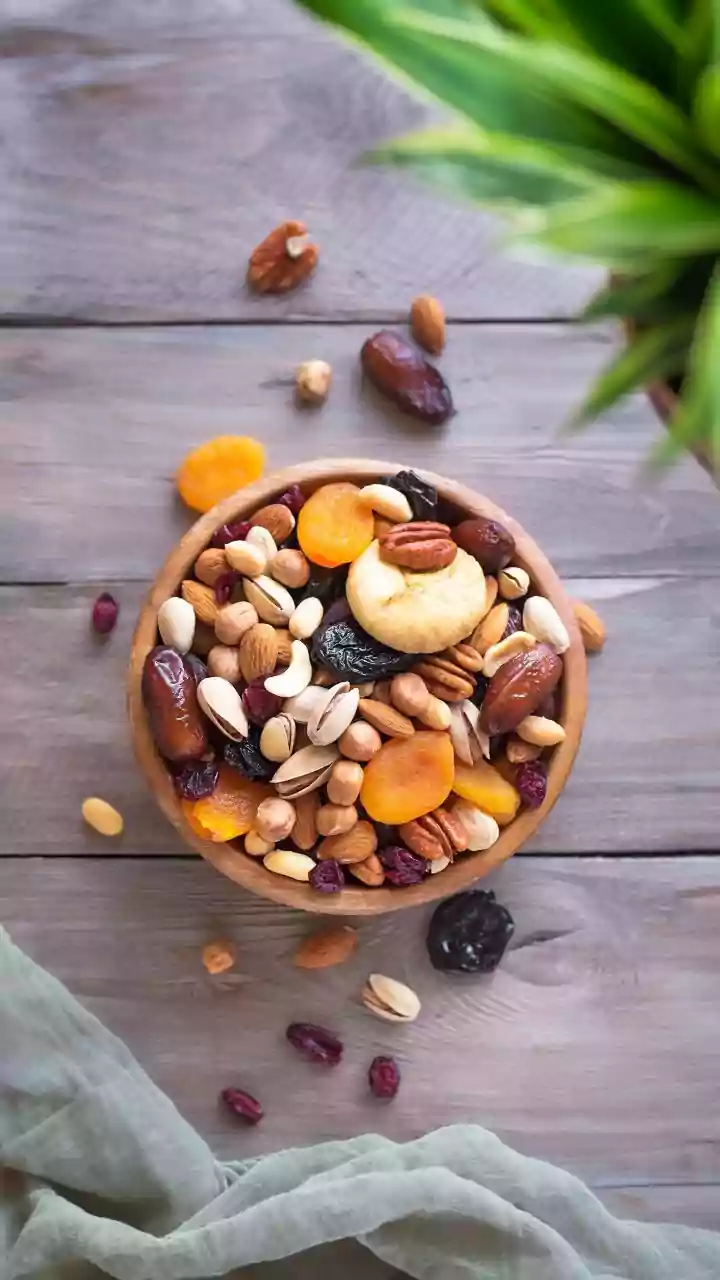
Quality matters as much as quantity. Eggs, fish, chicken and dairy provide complete protein, while plant-based options like lentils, chickpeas, soy, nuts, seeds, millets and quinoa are excellent too.
Combining foods improves absorption: rice with dal, curd with poha, bajra roti with moong dal, or hummus with whole-grain bread. Pairing protein with fibre and complex carbs ensures balanced meals and steady energy.
Protein isn’t about excess or trends, but it’s about precision. Eat according to your life stage, spread intake through the day, and focus on wholesome sources. When balanced correctly, protein becomes the foundation of strength, recovery and lifelong resilience.