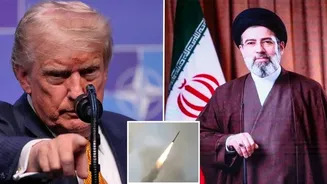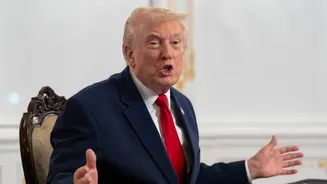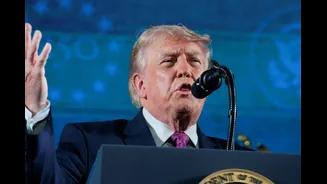







US President Donald Trump on Friday said that America has agreed to hold talks with Iran to end the conflict, but reiterated that the ceasefire is over.
“The Islamic Republic of Iran has asked us to continue
‘talks.’ We have agreed to do so, but the United States has stated to them, in no uncertain terms, that the Cease Fire is OVER! Thank you for your attention to this matter,” Trump wrote on Truth Social.
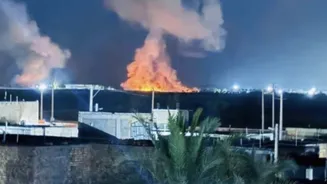
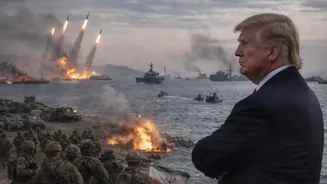
The announcement follows a devastating two-day wave of American airstrikes across Iran that local health officials say have left at least 14 people dead and dozens more wounded.
The Catalytic Trigger in the Strait of Hormuz
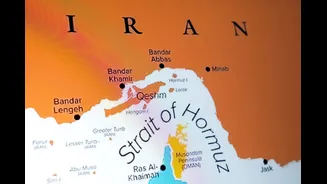
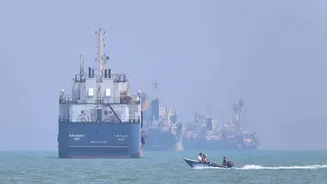
The current escalation follows a dramatic breakdown of regional security earlier in the week. The immediate trigger occurred on Tuesday, July 7, when three commercial merchant vessels were struck by hostile fire in the strategically vital Strait of Hormuz—a crucial global shipping choke point.
In immediate retaliation, President Trump declared the existing ceasefire void. U.S. forces swiftly launched a coordinated, heavy aerial campaign targeting a wide array of Iranian assets military installations, air-defence systems, and naval assets.
Casualties Mount Across Iran
The humanitarian impact of the intensive American bombardment is beginning to emerge as local government and health agencies release early casualty figures.
On Thursday, Tehran’s Health Ministry announced that the first two days of US airstrikes had officially killed 14 people and injured 78 others across the country.
Specific details of the civilian and infrastructure toll are trickling out from Iran’s coastal regions. State television reported that in the southern province of Hormozgan, American missiles heavily struck the small fishing port town of Sirik.
Ahmad Nafisi, the deputy provincial governor of Hormozgan, confirmed Thursday that the strikes on Sirik alone accounted for three deaths and 15 injuries.
With military operations ongoing and both sides dug into their strategic positions, the upcoming talks face an incredibly volatile backdrop as the region edges closer to a broader conflict.