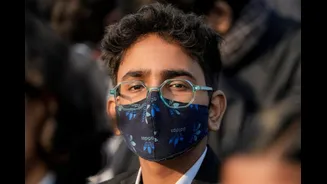

The Delhi-NCR air pollution crisis has sparked financial panic and an urgent need to move out of the region for many of its residents.
A survey has shown that at least 73 percent worry about healthcare
costs while 8 percent want to permanently move out of the region.
Other alarming statistics revealed by the survey, conducted by LocalCircles, indicate that 82 percent residents know at least one person in their close circle with a serious health condition attributed to the toxic air, with 28 percent knowing four or more such individuals.
According to the survey, there has been a significant surge in respiratory illnesses observed in area hospitals since late October, detailing how acute exposure to pollutants like PM2.5 and PM10 contributes to chronic diseases and acute breathing difficulties particularly among children and the elderly.
Experts have suggested that the toxic air is presently being fuelled by weather conditions and local factors, rather than farm fires from neighbouring states, with air quality index (AQI) soaring above 400 that is categorised as ‘severe’ by the Central Pollution Control Board (CPCB).
The study received more than 34,000 responses from residents across Delhi, Gurugram, Noida, Faridabad, and Ghaziabad, revealing a shocking prevalence of severe health conditions linked to pollution. These conditions include lung cancer, chronic obstructive pulmonary disease (COPD), asthma, lung damage, heart failure, and stroke.
The prospect of escalating health complications has translated into acute financial concern and a desire for displacement among the population. Given the persistent high levels of pollution, a significant majority – 73 percent of residents – are worried about being able to afford healthcare for themselves and family in the future. This concern stems from the risk of falling sick or developing lifetime diseases or health conditions due to the toxic environment.
The toxic air quality is also driving an exodus plan: 8 percent of residents surveyed said they plan to move out soon from the national capital. Some families, who have the option of ‘work from home’, frequently move out during winter months to escape the hazardous air.
The region has faced prolonged periods of ‘very poor’ to ‘severe’ air quality since late October. Major hospitals across Delhi-NCR reported a dramatic surge in patients presenting with acute respiratory illnesses in November. Acute exposure to elevated levels of fine particulates and toxic gases has triggered this health crisis.
The surge in cases includes throat irritation, persistent cough, wheezing, asthma attacks, allergic rhinitis, bronchitis, and pneumonia. Children – even those with no prior respiratory conditions – are being admitted to paediatric wards for serious breathing difficulties, often requiring nebulisers or more aggressive therapies.
Medical experts have warned that the concern extends beyond short-term illness. Persistent exposure to the toxic air can impair oxygen intake, weaken immunity, and heighten the risk of chronic lung disease.
Long-term exposure is increasingly linked to chronic respiratory illnesses such as COPD, cardiovascular conditions like heart attacks and strokes, and metabolic disorders. The massive health burden is currently fuelled by vehicular emissions, industrial pollutants, and construction dust, and without coordinated, immediate action – including a shift toward cleaner fuels – the burden is likely to further escalate.