



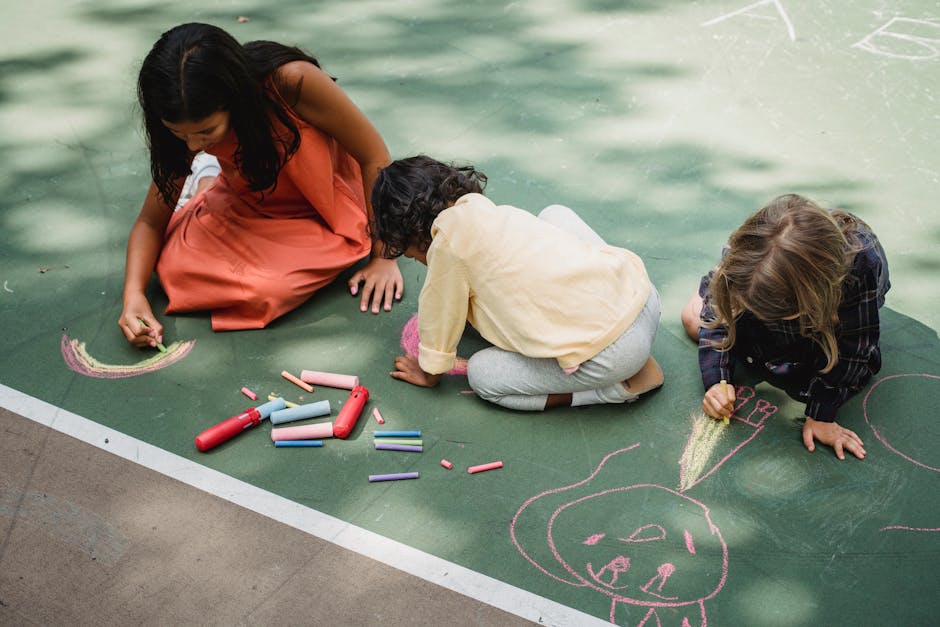
Most schools across the country have declared summer vacation. While for children, it means freedom — no school alarms, no homework deadlines, and endless possibilities. For parents, however, it can trigger
a familiar anxiety: How do I keep my child engaged, away from excessive screen time, and make these weeks meaningful?
Experts say the answer may not lie in expensive summer camps or packed schedules. Instead, it lies in something much simpler — intentional, creative, hands-on experiences that allow children to explore, imagine, and grow.
This summer, experts suggest, parents should think less about “keeping children busy” and more about helping them become curious creators.
Why Summer Break Is More Than Just A Holiday
Summer vacation can become a powerful period for emotional development if planned thoughtfully. “Children often see summer as freedom from routine, but from a psychological perspective, it can also be a time for creativity, emotional growth, and independent thinking,” Dr Hamza Hussain, Head of the Department of Psychiatry and Mental Health at Ruby Hall Clinic, explains.
That matters because today’s children are growing up in a world dominated by passive digital consumption.
Pooja Jain Gupta, MD, at Luxor, says many children today are “consuming far more than they are creating,” which makes it even more important for parents to encourage imagination and creative exploration consciously.
Research in developmental psychology supports this. Creative play in early childhood helps build problem-solving abilities, emotional expression, cognitive flexibility, attention span,
and confidence.
Turn Your Home Into A Mini Creativity Lab
The good news? Parents do not need elaborate plans or expensive supplies. A few sheets of paper, colours, glue, recycled materials, and a little time can go a long way.
Experts recommend setting up a “creative corner” at home — a small space where children can freely draw, paint, build, and experiment. Some simple ideas include:
- making greeting cards for relatives
- painting old flower pots
- creating sock puppets
- building cardboard castles
- or crafting toys from waste materials
“These activities help children express emotions, improve concentration, and develop patience,” says Dr Hussain.
For younger children, even colouring and doodling can reduce anxiety and improve focus, adds Gupta.
Let Children Do It Themselves
One of the most effective ways to nurture creativity is through DIY projects. Praneet Mungali, Educationist and Trustee at the Sanskriti Group of Schools, suggests activities such as:
- gardening
- baking
- easy science experiments,
- making a family photo album,
- sewing doll clothes,
- or maintaining a summer diary
“These everyday activities encourage exploration and independent thinking,” he says.
A balcony garden can become a biology lesson.
A family recipe can teach math, patience, and teamwork.
A puppet show can become a storytelling practice.
The lesson: learning does not need a classroom.
Give Children Ownership Of Their Summer
Dr Hussain points out that one common parenting mistake is over-scheduling children. Instead of dictating every hour, parents should involve children in planning their own days. Ask:
- What project would you like to do today?
- Which activity should we save for the weekend?
- What new skill do you want to learn this month?
This simple act gives children autonomy and helps develop decision-making skills.
“When children feel ownership over their routine, they engage more deeply,” says Dr Hussain.
Don’t Fear Boredom
Many parents rush to “fix” boredom. Experts advise the opposite. Unstructured time — moments when children are left to think, wander, and daydream — is often where imagination begins.
A bored child may suddenly decide to build a fort, invent a story, or sketch a comic book. “Boredom, when handled healthily, can become the starting point for creativity,” says Dr Hussain.
Mix Creativity With Outdoor Adventure
Summer creativity does not have to stay indoors. Kanu Priya Sharma, Economics teacher at DPS Vasant Kunj, recommends dividing the day into meaningful blocks:
- mornings for learning and hands-on projects,
- afternoons for outdoor activities like swimming, hiking, or cycling,
- evenings for family games and reflection
Weekend ideas include museum visits, countryside trips, sustainability workshops, camping, or stargazing.
Similarly, IIT Madras Alumni and CareerGeek Co-Founder Dillesh Kumar encourages adventure-led learning, such as trekking, survival skills, and nature exploration, to build confidence, friendships, and resilience.
The Most Important Ingredient: Family Time
Perhaps the most repeated advice from experts is this: children do not need expensive entertainment — they need connection. Simple rituals like cooking together, family board games, storytelling nights, evening walks, or just sitting and talking can create lasting memories.
“Summer vacations should not involve constant participation in expensive programs,” says Mungali. “What children need most is quality time with family.”
A meaningful summer is not a packed summer. Parents often feel pressured to fill every day with productivity. Experts say that is the wrong goal.
A successful summer vacation is not one where children are endlessly occupied — it is one where they have space to create, fail, imagine, learn, and simply be children.
Because years later, children may not remember every class or camp. But they will remember painting with their parents, planting their first tomato, baking their first cake, or building a cardboard rocket in the living room.
And those memories, simple as they seem, often shape who they become.