







The Indian rupee has come under sharp pressure, breaching the 95-per-dollar mark amid global uncertainty and rising crude oil prices. While it recovered slightly later on Monday, volatility remained high.
Here are the key reasons behind the fall and what it means for you.
Why Is Rupee Falling? Key Reasons Explained
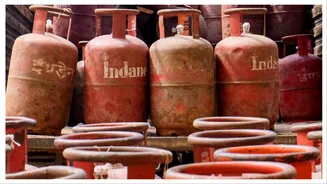
The biggest trigger has been a sharp surge in crude oil prices. Brent crude has jumped to around $115 per barrel due to escalating tensions in West Asia. Since India imports most of its oil, higher prices increase dollar demand, putting pressure on the rupee.
At the same time, the US dollar has strengthened. The dollar index has stayed above the 100 mark, supported by safe-haven demand. When the dollar becomes stronger globally, emerging market currencies like the rupee tend to weaken.
Geopolitical tensions have added to the problem. The ongoing crisis in West Asia has led to risk aversion across stock markets. Investors typically pull money out of riskier assets like emerging markets during such times, thus raising dollar demand and putting pressure on the local currency.
Equity markets on Monday saw a sharp sell-off, with the Sensex falling nearly 1,700 points and the Nifty dropping around 500 points. Foreign institutional investors (FIIs) have been net sellers, increasing demand for dollars.
Stock and forex markets remain closed on Tuesday on account of ‘Mahavir Jayanti’.
How Does A Weak Rupee Impact You?
A falling rupee may sound like a macro issue, but it directly affects your daily life.
If you are planning to travel abroad or send money overseas, your costs will rise. A weaker rupee means you need more rupees to buy the same amount of dollars.
Imported goods will become expensive. This includes fuel, electronics, and even some food items. Over time, this can push inflation higher.
Fuel prices may rise if crude oil keeps increasing and oil companies decide to pass on higher costs. This affects transport, logistics, and eventually the price of everyday goods.
If you invest in the stock market, volatility may increase. FII outflows can lead to sharp market swings, impacting your portfolio in the short term.
However, there is one positive. Sectors like IT and pharma, which earn in dollars, may benefit from a weaker rupee.
What Should You Do Now?
According to experts, for investors, the first rule is to avoid panic. Currency movements are cyclical and often linked to global events. If you are investing in equities, stay diversified.
For those planning foreign travel or education, it may be wise to stagger your dollar purchases instead of buying everything at once. This helps average out costs.
Avoid taking impulsive decisions based on short-term volatility. If your financial goals are long-term, currency fluctuations should not change your strategy.
If you invest in international funds, a weak rupee can actually work in your favour, as returns may get a currency boost.
What Lies Ahead
Economists, including a recent report by the State Bank of India, believe India’s strong foreign exchange reserves provide a buffer against excessive volatility.
“The $700 billion plus external reserve, we believe, is sufficiently strong to deter speculative moves by intervening in the foreign exchange market to prop up the rupee,” SBI Research said in its latest report, ‘SBI Ecowrap’, on Tuesday.