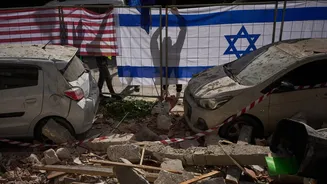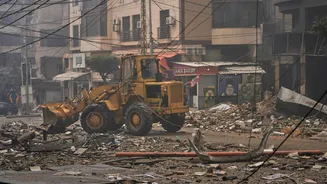








The war involving the United States, Israel and Iran has sharply escalated, crossing a new threshold as energy infrastructure — long seen as “off-limits” in early stages — is now being struck and explicitly
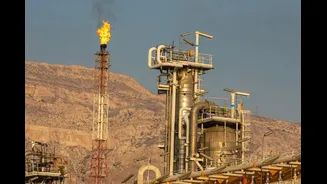
threatened. Israeli forces carried out an airstrike on Iran’s South Pars gas field, part of the world’s largest natural gas reservoir, marking the first major attack on Iranian energy facilities in this conflict and drawing accusations from Tehran and Gulf states that it endangers regional and global energy security.
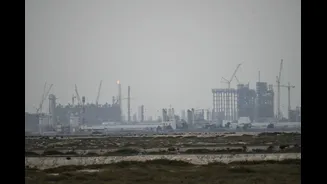
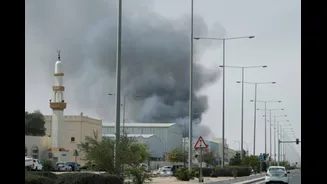
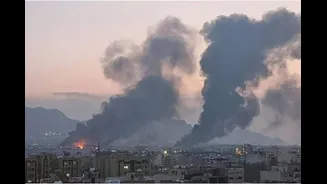
In response, Iran launched missile attacks on energy sites in neighbouring Gulf countries, including Saudi Arabia, the UAE and Qatar’s Ras Laffan Industrial City — a key global liquefied natural gas hub — triggering fires and “extensive damage” that have alarmed markets and governments alike.
Iran’s IRGC has issued public evacuation warnings for major oil and gas infrastructure across Saudi Arabia, the UAE and Qatar following Israel’s South Pars strike.
These developments have seen diplomatic fallout and strategic recalibration: Qatar condemned both the original strike and Iran’s retaliation as dangerous escalations and threats to national security, even expelling Iranian security attaches, while air defences across the Gulf have been on high alert and energy companies have halted or evacuated operations at several facilities.
The attacks have contributed to surging oil and gas prices amid fears of broader supply disruption, and even US officials have signalled a desire to avoid further direct strikes on Iranian energy infrastructure unless Tehran’s actions — such as disruptions in the Strait of Hormuz — continue to escalate.
Why Energy Infrastructure Has Become A Target In Iran War
The shift shows how the war is now changing in nature. What began as a largely military confrontation is now spilling into the economic sphere, with energy facilities becoming deliberate pressure points. Pipelines, gas fields, refineries and LNG terminals aren’t being hit by accident — they are high-value targets chosen to hurt state finances and disrupt the money that sustains military operations. By striking these assets, each side stands to raise the economic cost of the war for its rival and gain bargaining power, especially at a time when decisive wins on the battlefield remain elusive.
Economic Warfare and Disrupting Revenue
Iran’s economy is heavily dependent on energy exports and domestic gas production — with the South Pars field alone accounting for a huge share of national gas supply. By striking these facilities, Israel aims to degrade Iran’s economic capacity, squeezing its ability to finance prolonged operations and military logistics. South Pars also directly connects with Qatar’s North Dome field, making attacks there potentially disruptive to Qatar’s LNG exports and global energy markets.
Leverage Through Market Impact
Energy infrastructure is central to global commodity prices and economic stability. Strikes on major facilities instantly send oil and gas prices higher, as markets price in risks to future supply. For example, Brent crude surged sharply after recent attacks, reflecting trader fears that supply chains from the Gulf could be interrupted or throttled if the conflict worsens.
Psychological and Political Pressure
Targeting energy assets sends a strong signal not just to governments but to populations at home and abroad. In many Middle Eastern countries, energy revenues underpin public spending and social programs. Disrupting these revenues can create internal political pressure on leadership — a strategic effect often sought in economic warfare.
Are There Global Laws Against Targeting Energy Infrastructure?
Geneva Conventions And The Dual Use If Energy Infrastructure
International law does regulate how wars are fought, but the rules are not always clear-cut when it comes to energy systems. The foundation lies in the Geneva Conventions, which aim to protect civilians and civilian property during armed conflict. These treaties require warring parties to follow three core principles: distinguish between military and civilian targets, avoid disproportionate civilian harm, and take precautions to minimise damage to non-combatants.
In general, energy infrastructure is treated as civilian property. However, complications arise because many facilities serve both civilian and military needs. Power plants supply homes but also military bases. Refineries produce fuel for public transport as well as armed forces. This “dual-use” nature allows militaries to argue that such sites provide a definite military advantage, making them lawful targets under certain conditions. Disputes usually centre on whether an attack is proportionate and whether civilian harm outweighs military gain.
Additional protections are laid out in Additional Protocol I to the Geneva Conventions, which strengthens safeguards for civilian infrastructure and objects essential for survival. War crimes related to intentional attacks on civilian objects can, in theory, be prosecuted by the International Criminal Court, though enforcement depends on jurisdiction and political realities. Maritime energy routes are also governed by peacetime legal frameworks such as the United Nations Convention on the Law of the Sea, but wartime enforcement remains complex.
In practice, accountability is difficult. Major powers may not recognise court authority, investigations are slow, and governments often justify strikes under broad claims of military necessity. By the time legal debates conclude, the strategic and humanitarian consequences have already unfolded.
What Are The Consequences On Attacks On Energy Infrastructure In A War?
Economic and Market Consequences
Energy infrastructure sits at the core of how modern economies function, so when it is damaged in conflict, the fallout spreads quickly and widely. Countries that rely heavily on oil and gas exports can see a sudden drop in government income, squeezing public spending and war finances alike. Factories that depend on steady fuel and electricity supplies may be forced to scale back or halt production, which then disrupts transport networks and food supply chains.
Financial markets respond almost instantly to such shocks — even the threat of disruption can push global oil and gas prices higher as traders anticipate shortages. At the same time, insurers raise premiums for cargo and vessels moving through risky zones, making international trade more expensive even if shipments continue. Because energy commodities are bought and sold in tightly connected global markets, a strike on one major export facility can unsettle economies far beyond the conflict region.
Humanitarian Impact
Energy systems quietly support almost every part of daily life, so when they are damaged in war, ordinary people feel the effects first. Power cuts can shut down hospitals, disrupt water treatment, cripple mobile networks and stall banking services, bringing entire cities to a standstill. Fuel shortages make it harder to cook, commute, run public transport or operate ambulances and other emergency vehicles.
In regions facing extreme heat or cold, the loss of electricity can become a serious health risk as homes lose access to cooling or heating. As essential services falter and living costs rise, frustration among the public often grows, sometimes spilling into protests and unrest. Even when civilians are not deliberately targeted, the breakdown of infrastructure places the heaviest strain on their everyday lives.
Geopolitical Effect
Attacks on energy infrastructure have profound strategic repercussions that go well beyond the immediate military objectives. Because Gulf Arab economies and global markets are tightly interlinked with oil and gas production and transit, when facilities are struck or threatened, the conflict’s effect ripples outward. Strikes on major export hubs or critical chokepoints such as the Strait of Hormuz — through which roughly one-fifth of the world’s oil passes — disrupt shipping, push up commodity prices, and introduce instability into global supply chains, prompting countries far from the battlefield to reassess economic and security priorities. This dynamic also raises the risk of regional escalation: neighbouring states that share pipelines, LNG facilities or sea-lane access can be drawn into hostilities either through direct targeting or by being forced to respond to protect their own infrastructure and trade interests.
At the same time, nations with heavy energy dependencies face diplomatic pressure to intervene or recalibrate alliances as they seek to safeguard energy security and cushion their economies against volatile markets, while prolonged instability may accelerate long-term shifts toward diversified suppliers and alternative energy sources.
Environmental Damage
The environmental risks of targeting energy facilities are becoming an increasingly serious concern. When refineries, gas processing plants or fuel storage depots are hit, the damage does not end with the blast. Fires can burn for days, releasing thick toxic smoke that degrades air quality across borders and poses health risks to nearby populations. Leaks from damaged pipelines and storage tanks can seep into soil and groundwater, contaminating drinking supplies and farmland. Gas infrastructure strikes may also release large volumes of methane — a potent greenhouse gas — adding to climate pressures.
In fragile coastal and desert ecosystems common across the Gulf region, such damage can take years or even decades to reverse, leaving a long environmental shadow that complicates recovery long after the fighting subsides.
Targeting energy infrastructure transforms war into economic confrontation with global fallout. While international law seeks to shield civilians and limit destruction, the strategic value and dual-use nature of energy systems make them recurring flashpoints in modern conflicts. The result is a dangerous grey zone where military strategy, economic pressure and legal ambiguity collide — and the costs are felt far beyond the front lines.